

Stress and sleep are more connected than many people realize. A stressful day can make it harder to fall asleep, and a poor night of sleep can make the next day feel harder to handle. When this pattern repeats, it can affect mood, focus, energy, patience, and overall health. Understanding the connection is a helpful first step toward improving both.
How Stress Can Affect Sleep
Stress keeps your body and mind on alert. Even when the day is over, your thoughts might keep moving through unfinished tasks, family concerns, work pressure, money worries, or conversations you keep replaying.
That mental activity can make it harder to settle down when it’s time to rest. The body can also carry stress physically through muscle tension, a faster heart rate, shallow breathing, headaches, or stomach discomfort. Even if you feel tired, your body is in a state of stress that refuses to rest. This can lead to difficulty falling asleep, waking up during the night, or being unable to fall back to sleep after waking up too early.
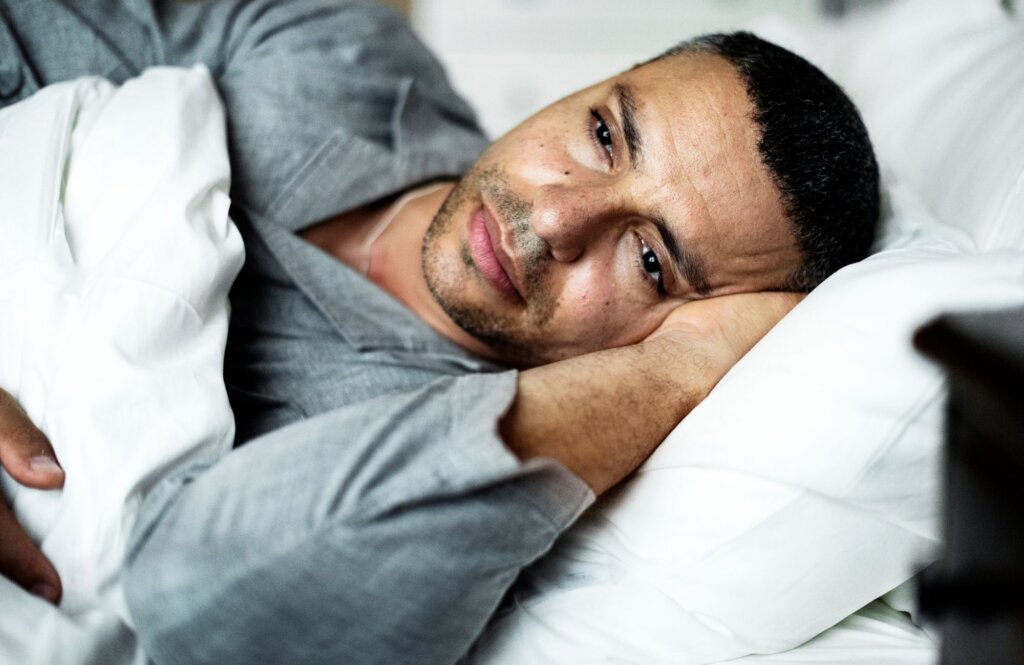
How Poor Sleep Can Make Stress Feel Heavier
Ordinary, everyday responsibilities can feel more difficult after a rough night of sleep. You might feel more irritable, less patient, or more easily overwhelmed by things you usually handle with ease. Bad sleep can also affect concentration, memory, appetite, motivation, and decision-making skills. This can create more stress during the day, which then makes it harder to sleep again at night. It can become a frustrating cycle.
Habits That Could Be Making It Harder to Rest
You might attribute your sleep problems to stress, but daily routines can worsen the issue. Common sleep disrupting habits can send the brain mixed signals about whether it’s time to slow down or stay alert.
Common sleep disruptors include:
- Caffeine later in the day
- Scrolling on your phone in bed
- Working right up until bedtime
- Heavy meals or alcohol close to bedtime
- Inconsistent sleep and wake times
- Using your bed for work, TV, or stressful conversations
Start noticing what habits might be keeping your body from winding down, and then replace them with a relaxing substitute.
Small Changes That Can Support Better Sleep
A calmer night starts before your head hits the pillow. Giving yourself a short wind-down routine can help your body recognize that the day is ending. This might include dimming the lights, setting your phone aside or in another room, taking a warm shower, reading a book, or writing down tomorrow’s tasks so they aren’t stuck in your mind.
It can also help to keep a consistent wake time, which helps your body find a steadier rhythm.
If you wake up during the night, try not to turn the moment into more stress. Checking the clock repeatedly or worrying about how little sleep you are getting can make it harder to fall asleep again. A quiet reset, like slow breathing exercises or gentle stretching, may help.
When Sleep Problems Need More Support
Occasional restless nights happen to almost everyone. Ongoing sleep problems are different, especially when they last for weeks or start affecting work, relationships, mood, driving, or daily responsibilities.
It may be time to reach out for support if sleep issues come with anxiety, depression, panic symptoms, chronic pain, heavy snoring, breathing pauses, frequent nightmares, or major life stress. A family doctor, counselor, psychologist, psychiatrist, or other qualified provider can help identify what might be contributing to your sleep problems.
Making Small Changes
Stress and sleep problems can build on each other, but the pattern can improve with steady changes and the right support. Start by noticing what your evenings look like, how stress shows up in your body, and whether your sleep struggles are becoming a regular part of life. A few small changes, paired with professional guidance when needed, can help make nights feel more restful and days feel a little steadier.
This community resource is made possible through the generous support of local WhirLocal sponsors. This article is meant for informational purposes and is not professional medical advice.