
Most people know to clean the lint trap after a load of laundry, but the dryer vent itself is easier to forget. Over time, lint, dust, pet hair, and debris can build up inside the vent line. When airflow is restricted, the dryer has to work harder, clothes take longer to dry, and heat can build up where it shouldn’t.
Dryer vent maintenance is a basic home safety habit that can make a real difference in regards to fire safety. No matter how often you do laundry, knowing the warning signs of a clogged vent can protect your home and help the dryer be more efficient.
At a Glance
When lint and other debris builds up in the dryer vent, it can restrict airflow. This can cause longer drying times and excess heat buildup inside of the appliance or vent line. It can also become a fire risk.
A few regular habits can help reduce risk:
- Clean the lint trap before or after every load.
- Watch for longer drying times, unusually hot clothes, burning smells, or repeated dryer shutoffs.
- Keep the area around the dryer free of lint, clutter, and combustible materials.
- Check that the exterior vent opens properly and is free of debris.
- Inspect the vent hose for crushing, kinks, sagging, or damage.
- Consider professional vent cleaning if airflow is weak, the vent run is long or difficult to access, or warning signs continue.
- Stop using the dryer and have it checked if it overheats, smells like it’s burning, or shows signs of scorching.
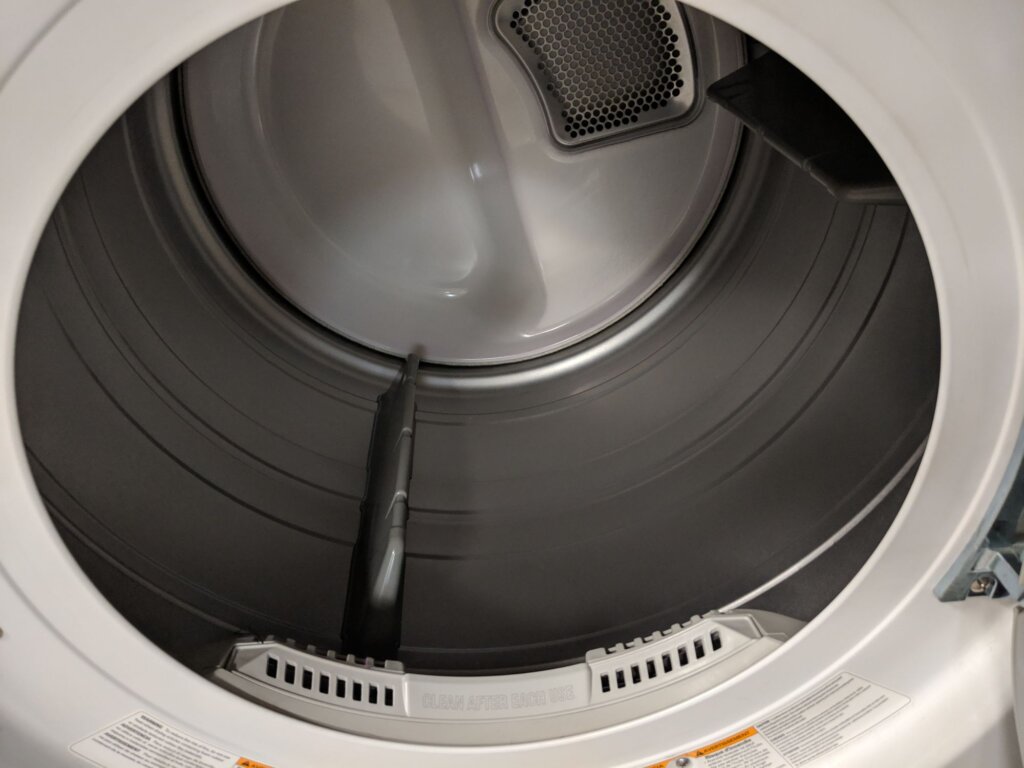
How a Clogged Dryer Vent Can Increase Fire Risk
A dryer needs consistent airflow to remove heat and moisture from clothing. The lint trap catches some of the lint from each load, but it doesn’t catch everything. The rest moves into the vent system and can collect along the way.
When the vent is clear, warm, moist air can exit the home properly. When it’s blocked, the dryer may overheat, run longer, or shut off before clothes are fully dry. Because lint is combustible, buildup combined with excess heat can increase the risk of a dryer-related fire.
A restricted vent can also put extra strain on the appliance. Over time, that added stress may lead to repairs or shorten the life of the dryer. Keeping the vent clear supports both safer operation and better dryer performance.
Warning Signs of a Clogged Dryer Vent
Dryer vent problems often show up in smaller ways before they become serious. One of the most common signs is clothing that takes longer than usual to dry. If towels, jeans, or bedding need more than one cycle, poor airflow through a clogged vent could be part of the problem.
Other warning signs include a laundry room that feels hotter than normal, a burning smell while the dryer is running, excessive lint around the dryer, or the outside vent flap not opening properly. Your clothes might also feel unusually hot at the end of a cycle.
If the dryer shuts off unexpectedly or feels very hot to the touch, stop using it immediately and have it checked.
Clean the Lint Trap Every Time
The lint trap should be cleaned before or after every load. This is one of the easiest preventative measures, and it only takes a few seconds.
A clogged lint screen reduces airflow and makes the dryer work harder. It can also allow more lint to move into the vent line. If you use dryer sheets, residue can sometimes build up on the screen and make it harder for air to pass through. Washing the screen occasionally with mild soap and water can help remove that film.
Make sure the lint screen is fully dry before putting it back in place.
Check the Area Around the Dryer
The area behind and around the dryer should stay clear. Lint, dust, clothing, cleaning supplies, boxes, and other items can create clutter and restrict airflow. The dryer hose should also be checked. It shouldn’t be crushed, kinked, or overly long. A damaged or bent hose can trap lint and make it harder for air to move outside.
The vent hose can get pinched if the dryer has been pushed too close to the wall. Pulling out the dryer and checking the connection can help, but you should avoid forcing or disconnecting anything you’re not comfortable handling.
Make Sure the Outside Vent Is Clear
The outside dryer vent is just as important as the lint trap inside. Walk outside while the dryer is running and check whether air is flowing from the vent. The flap should open when the dryer is on and close when it is off.
Make sure leaves, dirt, nests, snow, and outdoor debris don’t block the exterior vent. In some cases, pests might also try to nest in or near the opening. If airflow seems weak or the flap doesn’t move, the vent may need cleaning or repair.
The vent cover should also be appropriate for dryer use. Screens or covers that trap lint can create a blockage. A professional can help determine whether the exterior vent is safe and properly installed.
Schedule Professional Dryer Vent Cleaning
Some dryer vent lines are short and easy to access. Others run through walls, ceilings, crawl spaces, or long distances before reaching the outside. Longer or more complicated vent runs can collect lint in places homeowners or renters can’t see. Professional dryer vent cleaning removes buildup throughout the entire vent line, which can improve airflow, reduce drying time, and lower the risk of overheating or fire.
A professional can recommend a schedule based on the home’s setup and usage.
Know When to Call for Appliance Repair
A clogged vent is not the only reason a dryer might struggle. If the vent is clean but clothes still take too long to dry, the dryer could have a mechanical issue.
Heating elements, thermostats, sensors, belts, motors, or moisture controls can all affect performance. Unusual noises, failure to heat, failure to tumble, burning smells, or repeated shutoffs should be checked by an appliance repair professional. Running a dryer that is overheating or not operating correctly can create safety concerns and lead to more expensive repairs.
Be Careful With DIY Vent Cleaning
Some homeowners can safely clean the lint trap, exterior vent opening, and the area behind the dryer. Deeper vent cleaning can be more complicated, especially if the vent line is long, bends through walls, or is located on an upper floor.
DIY brushes and vacuum attachments may be effective in simple setups, but they can also leave debris behind or damage flexible vent materials if used roughly. If you aren’t sure where the vent runs or whether it is fully clear, professional cleaning is typically the safer choice.
This is especially true if there has been a burning smell, visible scorching, melted lint, or repeated dryer overheating.
Replace Unsafe or Damaged Vent Materials
Older or damaged vent materials can create problems. Thin plastic or foil-style ducts can crush easily, trap lint, or fail to handle heat as well as proper metal venting. Rigid or semi-rigid metal ductwork is often recommended for better airflow and durability. If the vent hose is torn, sagging, crushed, or disconnected, it should be repaired or replaced. A poor connection can send lint and moisture into the laundry room, wall cavity, crawl space, or attic.
A qualified professional can inspect the dryer vent setup and suggest safer materials when needed.
Keep Fire Safety in Mind
Dryer vent care is one part of a broader home fire safety routine. Homeowners should make sure smoke alarms are installed and working, keep combustible items away from the dryer, and avoid running the dryer when leaving the house or going to bed.
If there has already been smoke, scorching, or fire damage near the laundry area, a fire damage restoration professional can help evaluate cleanup and repair needs. Even a small dryer-related incident can leave odor, residue, or hidden damage behind.
Taking dryer warning signs seriously is a practical way to protect the household.
Frequently Asked Questions
How often should a dryer vent be cleaned?
Cleaning needs can vary based on how often the dryer is used, the length and layout of the vent, whether pets are in the home, and how quickly lint builds up.
If drying times start to increase, airflow from the exterior vent seems weak, or the dryer is running unusually hot, the vent may need attention more frequently.
Is cleaning the lint trap enough?
No. The lint trap catches a large amount of lint, but some material can still travel into the dryer vent. Cleaning the lint screen every load is an important first step, but the vent line and exterior opening also need to stay clear.
What are the most common signs of a clogged dryer vent?
Common warning signs include clothes taking longer to dry, unusually hot clothing at the end of a cycle, a hot laundry room, weak airflow outside, excessive lint around the dryer, burning odors, or repeated dryer shutoffs.
Can I clean a dryer vent myself?
Some basic maintenance can usually be handled safely, including cleaning the lint trap, removing visible lint around the dryer, and checking the exterior vent opening. Deeper cleaning may be more difficult if the vent travels through walls, ceilings, crawl spaces, or multiple bends. If you are unsure whether the entire vent is clear, consider hiring a professional cleaner.
Why are my clothes still damp after a full drying cycle?
Restricted airflow through the dryer vent is one possible cause, but it isn’t the only one. A dryer could also have a problem with its heating element, thermostat, sensor, motor, or another component.
If the vent appears clean and drying performance doesn’t improve, an appliance repair professional can help identify the cause.
Is a burning smell from the dryer normal?
No. A burning smell should always be taken seriously.
Stop using the dryer until the source has been identified. Excess lint, overheating, a mechanical problem, or another issue could be involved.
Should I run the dryer when no one is home?
It is safer to operate the dryer while someone is home and awake. That makes it easier to notice unusual smells, noises, overheating, or other warning signs before a problem becomes more serious.
Avoid running the dryer when leaving the house or going to bed.
Safer Laundry Starts With Better Airflow
Dryer vent maintenance doesn’t take much attention, but it can help prevent serious problems. If something seems off, such as a burning smell, weak airflow, repeated overheating, or damp clothes after a full cycle, call a trusted local professional. Clear airflow helps the dryer work better and helps keep your home safer.