If your heart has ever felt like it was fluttering, racing, or skipping beats, you may have brushed it off as stress, caffeine, or a long day. But sometimes those sensations point to something more significant: atrial fibrillation (often called AFib).
AFib is one of the most common heart rhythm disorders, especially as we get older. And while it’s common, it’s not something to ignore. Understanding what it is can help you recognize when it’s time to have a conversation with your healthcare provider.
What Is Atrial Fibrillation?
Typically, the heart beats in a steady rhythm. Electrical signals travel through the heart in an organized pattern, telling the chambers when to contract and pump blood.
With atrial fibrillation, those electrical signals become chaotic. The upper chambers of the heart (called the atria) begin to quiver or beat irregularly instead of contracting in a strong, coordinated way. As a result, the lower chambers may also beat irregularly and sometimes too quickly.
Instead of a steady “lub-dub” rhythm, the heartbeat can feel erratic—racing one moment and uneven the next.
AFib can also show up in different ways. Some people experience occasional episodes that stop on their own within seven days. This is known as paroxysmal AFib. Others may develop persistent or permanent AFib, where the irregular rhythm continues and requires ongoing management.
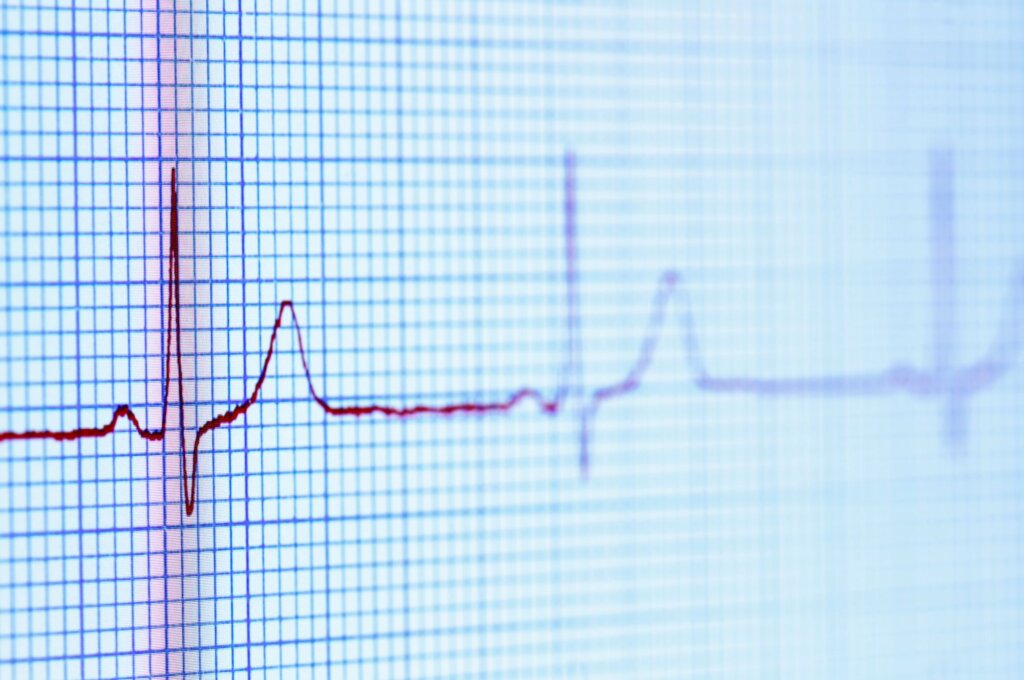
What Does AFib Feel Like?
One of the tricky things about AFib is that not everyone feels it. Some people discover they have AFib during a routine physical exam, after being completely unaware that their heart rhythm is irregular. Others feel it immediately.
When symptoms are present, they can include:
- A fluttering or pounding heartbeat
- The feeling that your heart is racing or skipping beats
- Shortness of breath, especially during physical activity
- Dizziness or lightheadedness
- Unusual fatigue
- Chest discomfort
- Weakness during exertion
For some, symptoms are brief and come and go. For others, they can be persistent and disruptive to daily life. If something feels “off,” especially repeatedly, it’s worth paying attention. Your body often gives subtle cues before larger problems develop.
What Causes Atrial Fibrillation?
AFib doesn’t have one singular cause. It often develops when other health conditions place strain on the heart.
Common contributing factors include:
- High blood pressure
- Coronary artery disease or other heart conditions
- Sleep apnea
- Thyroid disorders
- Diabetes
- Excessive alcohol use
- High caffeine intake
- Significant stress or acute illness
Age is also a major factor. As the heart’s electrical system changes over time, irregular rhythms become more common. Sometimes, however, AFib can appear without a clear underlying cause. That’s why regular checkups matter, even when you feel generally healthy.
Why It’s Important to Treat AFib
While AFib can cause discomfort, the bigger concern is what can happen if it goes untreated.
When the atria don’t contract effectively, blood can pool in the heart instead of moving forward. Pooled blood can increase the risk of clot formation. If a blood clot is able to travel to the brain, it can cause a stroke. In fact, AFib significantly increases stroke risk, which is why early detection and proper management are so important.
Beyond stroke, untreated AFib may contribute to:
- Heart failure
- Ongoing fatigue that affects quality of life
- Worsening heart rhythm problems
The encouraging news is that modern treatment options are highly effective. Many people with AFib live full and active lives with the right care plan in place.
How Is AFib Treated?
Treatment depends on several factors, including your symptoms, overall health, and risk of complications. In many cases, care focuses on three main goals: controlling heart rate, restoring or maintaining rhythm, and reducing stroke risk.
Your healthcare provider may recommend:
- Medications to slow or regulate heart rhythm
- Blood thinners to reduce clot and stroke risk
- Lifestyle adjustments, such as managing blood pressure, improving sleep, reducing alcohol intake, and addressing stress
- Procedures like cardioversion, which resets the heart’s rhythm
- Catheter ablation, a minimally invasive procedure that targets the areas causing irregular signals
For many patients, a combination of medical treatment and lifestyle changes provides excellent results.
Listen to Your Heart
It’s easy to dismiss occasional palpitations as “just stress.” But if your heart frequently feels irregular, fast, or unpredictable, it’s worth having it evaluated. A simple exam, pulse check, or EKG can often detect AFib quickly.
Your heart works hard for you every day. Paying attention to its signals is one of the most important steps you can take for your long-term health. If you’ve noticed changes in your heartbeat or are experiencing any of the symptoms mentioned above, schedule an appointment with your primary care physician. Peace of mind and preventative care are worth it.
This article is meant for informational purposes only and does not contain professional medical advice.