Many adults carry more tension than they realize. It can build gradually through tight shoulders, restless sleep, shallow breathing, or even difficulty concentrating. You may not think of it as a nervous system issue, but that’s often where it starts.
The nervous system is designed to respond to stress. The problem arises when it rarely gets a chance to settle. One simple way to shift the body back toward balance is through gentle and consistent movement.
How Stress Stays in the Body
When you encounter stress, your body prepares to act by tightening your muscles, increasing your heart rate, and breathing quicker. This response is normal and useful in short bursts. However, much of today’s stressors are ongoing.
Work demands, family responsibilities, financial pressure, and constant input can keep the body in a prolonged state of readiness. Over time, that sustained activation can lead to:
- Muscle tightness
- Headaches
- Digestive changes
- Irritability
- Sleep disruption
- Persistent fatigue
Consider Gentle Movement
Exercise supports long-term health, but consider the intensity of your workouts when it comes to your current stress level. While it can be beneficial to work up a sweat and release tension, if your body already feels strained, adding more strain might not produce the relief you expect or need.
Gentler forms of movement can still encourage circulation, improve joint mobility, and allow your muscles to release tension without overstimulating the stress response. This doesn’t replace strength training or cardiovascular exercise, but it’s a recognition that gentle movement can be helpful too.
What Counts as Gentle Movement?
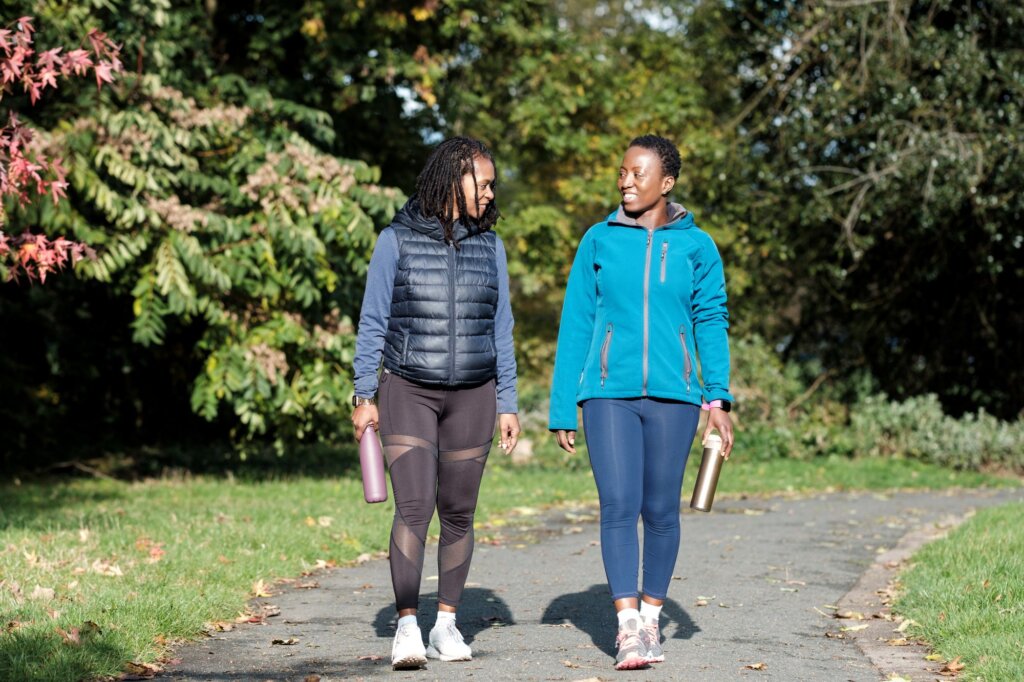
Gentle movement is steady, controlled, and sustainable. It allows you to move without bracing or rushing. Examples can include walking at a relaxed pace, light mobility work, stretching with controlled breathing, or slow-paced yoga.
The goal is regulation, not exhaustion. This consistent, moderate movement can signal to the body that it is safe to downshift.
The Overlooked Role of Breathing
Breathing patterns can change under stress, particularly to shallow chest breathing. Over time, this reinforces tension in the neck and shoulders and can keep the body slightly on edge.
Gentle movement naturally encourages breath awareness. Slowing down your pace allows breathing to deepen and become more rhythmic. That shift can reduce muscle tension and improve your overall comfort. Even five to ten minutes of intentional movement paired with steady breathing can begin to change how the body feels.
When Professional Guidance Helps
If stress is contributing to chronic pain, limited mobility, or ongoing discomfort, a trained provider can help assess what’s happening beneath the surface. Chiropractors, physical therapists, massage therapists, and mental health providers regularly work with stress-related tension patterns.
An experienced professional can identify areas of restriction, recommend appropriate movement strategies, and help you build a plan that fits your current capacity. Small adjustments often produce meaningful improvements when applied consistently.
Key Takeaways
If stress has been constant, tension can become your body’s baseline. Gentle movement—like taking a short walk or doing ten minutes of stretching—offers a practical way to interrupt that pattern. It supports circulation, improves breathing, and allows the nervous system to settle without adding more strain.
This article is meant for informational purposes only and is not meant as a substitute for professional health advice.