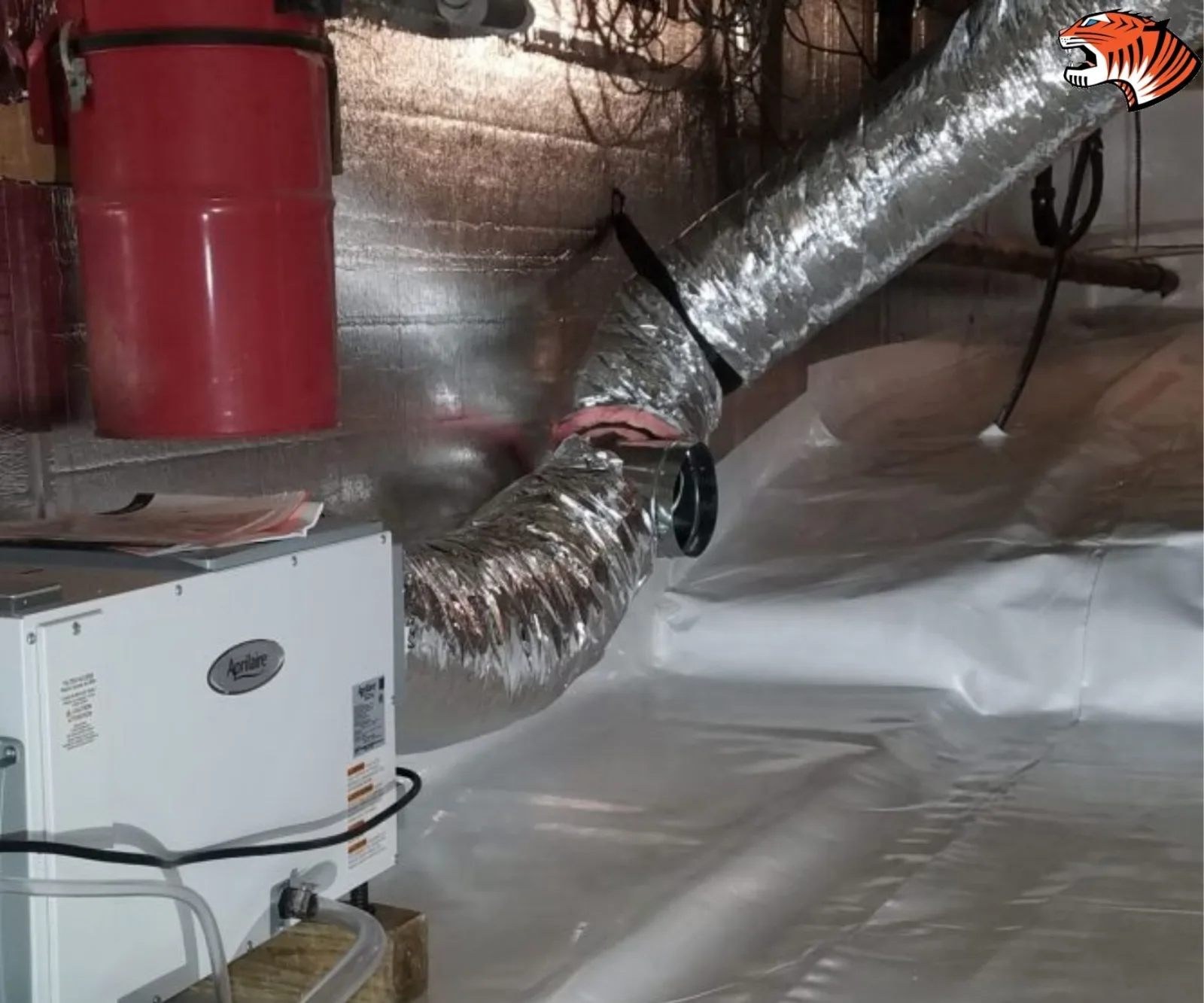
Water seeping through foundation walls begins outside, where rainwater collects in soil and presses against concrete or masonry. Basement waterproofing manages moisture by reducing water pressure, blocking entry points, and directing water away from the home. Moseley homeowners can address damp conditions before damage spreads.
Why Foundation Walls Let Water In
Basement waterproofing starts with understanding why moisture enters the foundation. Concrete looks solid, but it contains tiny pores that absorb moisture. Hairline cracks, construction joints, and gaps around pipes can also provide pathways for water. When heavy rain saturates the ground, water in the soil creates hydrostatic pressure against foundation walls. That pressure can push moisture through weak points and sometimes through the concrete itself.
Central Virginia’s changing weather can contribute. Heavy rainfall followed by drying causes soil to expand and contract. Poor grading, clogged gutters, and short downspouts can worsen the problem by allowing roof runoff to collect beside the foundation.
How Basement Waterproofing Controls Moisture
Reduce Water Before It Reaches the Wall
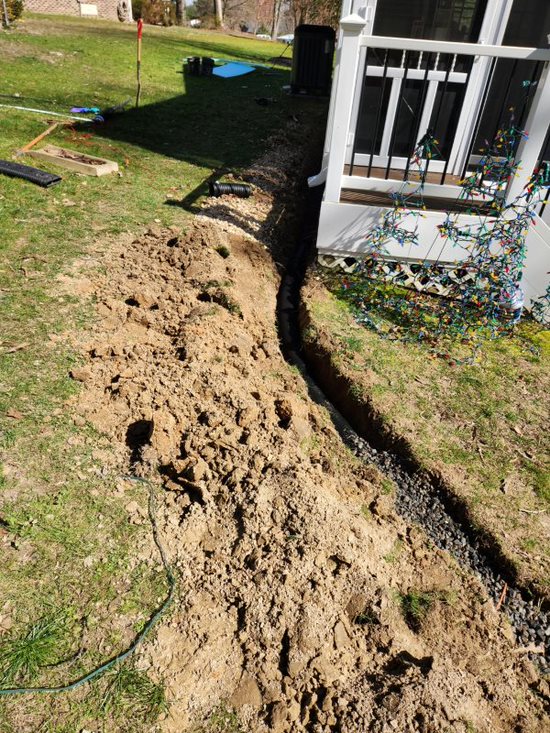
The first step is often improving drainage around the house. Soil should slope away from the foundation, while gutters and downspouts should carry roof water to a discharge area. These changes reduce water collecting beside the basement.
Seal Entry Points
Cracks and gaps may be repaired with materials suited to the location and damage. Interior sealants can address some minor moisture pathways, but they do not correct every source of water pressure. Recurring leaks or significant cracks need assessment to determine whether movement, drainage, or another issue is involved.
Collect and Redirect Water
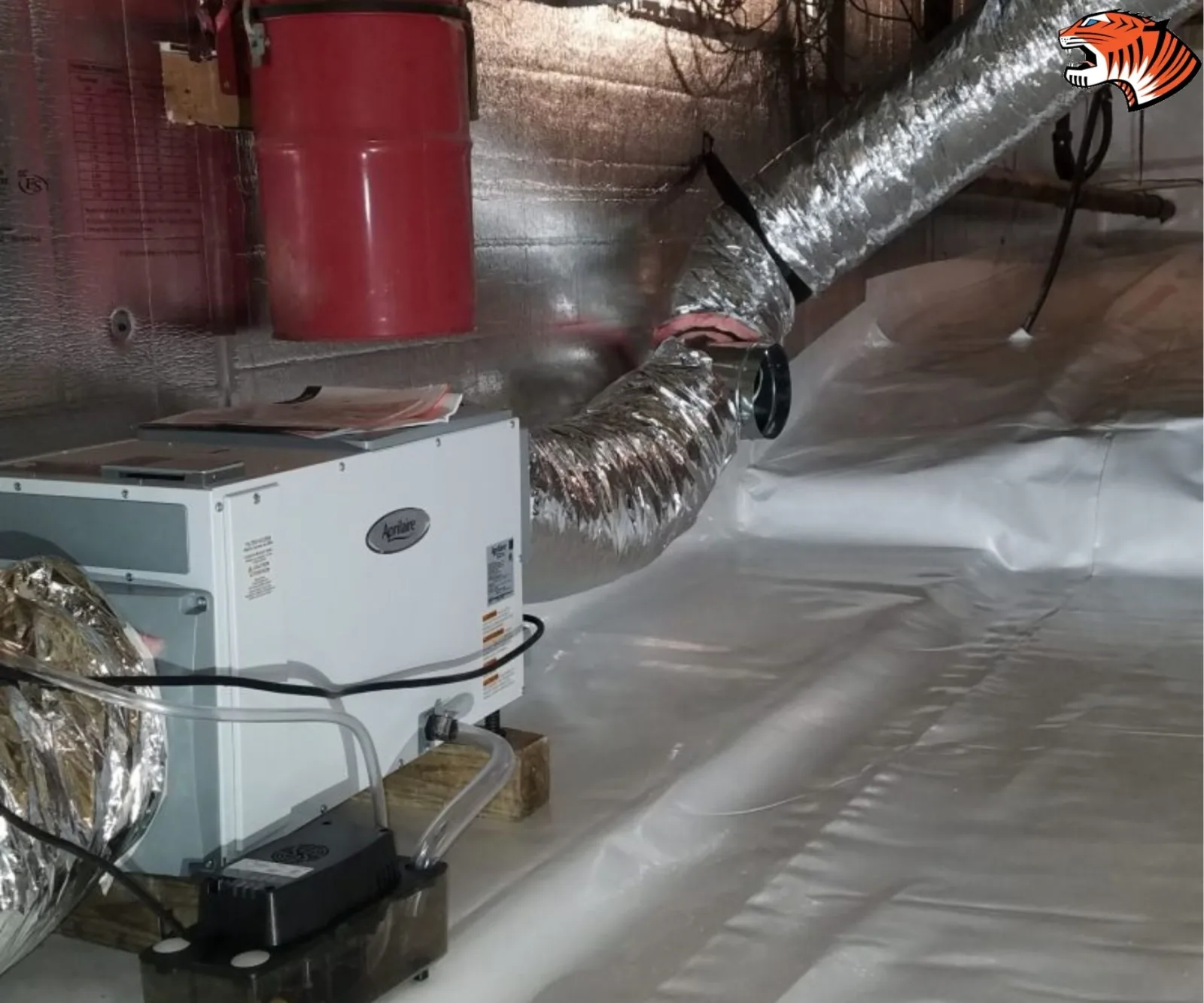
Where groundwater accumulates, a drainage system may collect seepage near the footing and route it to a sump basin. A sump pump moves collected water away from the house. Exterior drainage or waterproofing membranes may also be appropriate, depending on site conditions and access.
Notice the Clues, Even Without a Visible Leak
Musty odors, peeling paint, efflorescence (a white mineral deposit), and dark water stains can indicate moisture. A wall may look dry even though water entered during an earlier storm. For more on this distinction, read “Why Does My Basement Have Water Stains But No Active Leaks”. Stains can remain after moisture evaporates, so they do not automatically mean a pipe is leaking.
Keep gutters clear, check downspout discharge after rain, and note where dampness appears. Avoid covering a wet wall with paint or paneling before identifying the source; trapped moisture can damage finishes and encourage mold growth.
A Practical Approach for Moseley Homes
Basement waterproofing works best when the solution matches the cause. Tiger C Construction, LLC, serving Moseley, Virginia, can be a local point of contact for homeowners evaluating basement water concerns. An assessment should consider grading, drainage, cracks, and recurring seepage rather than relying on a surface coating alone.
The takeaway: control runoff, identify entry points, and choose repairs based on the moisture source. If stains or dampness keep returning, discuss the issue with Tiger C Construction, LLC before finishing or storing belongings in the affected space.
Featured

Contact Tiger C Construction, LLC
Thanks, your message was sent to Tiger C Construction, LLC.