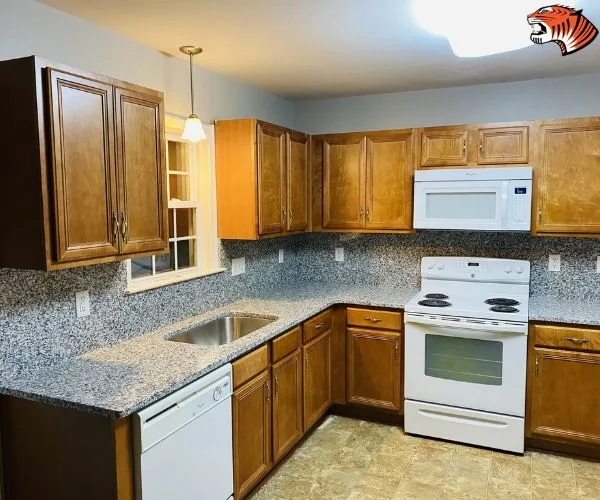
Countertops face daily wear. Cracks, chips, and stains can result from installation, impact, heat, moisture, or cleaning habits. Knowing the causes helps homeowners protect surfaces and choose wisely.
What Causes Countertop Damage?
Cracks: Stress, Movement, and Weak Support
Stone and engineered surfaces are durable, not indestructible. Dropped objects can cause fractures. Cracks may also develop when cabinets are uneven, support is inadequate, or the structure shifts. Sink and cooktop cutouts concentrate stress.
Sudden temperature changes can cause thermal shock. Use a trivet, and never stand or sit on countertops.
Chips: Exposed Edges Take the Impact
Edges and corners chip when struck by pots or appliances. Rounded or eased profiles may be less vulnerable than sharp edges, but none is chip-proof.
Discoloration: Spills and Cleaning Products
Liquids can stain porous surfaces. Wipe oil, coffee, wine, and tomato sauce quickly. Acidic substances etch marble, leaving dull spots. Harsh cleaners and abrasive pads can damage finishes.
Everyday Prevention That Makes a Difference
Wipe spills promptly, especially oils and acidic liquids. Use a soft cloth and cleaner approved for your countertop material; one product does not suit every stone. Follow the fabricator's guidance on whether sealing is appropriate and when it should be renewed. Sealers reduce absorption but do not make surfaces stain-proof or prevent etching.
Use cutting boards, trivets, and protective pads beneath appliances. Avoid dragging heavy cookware across the surface. Keep cabinet supports stable, and ask a professional to assess movement, persistent cracks, or loose sections rather than covering structural problems with a patch.
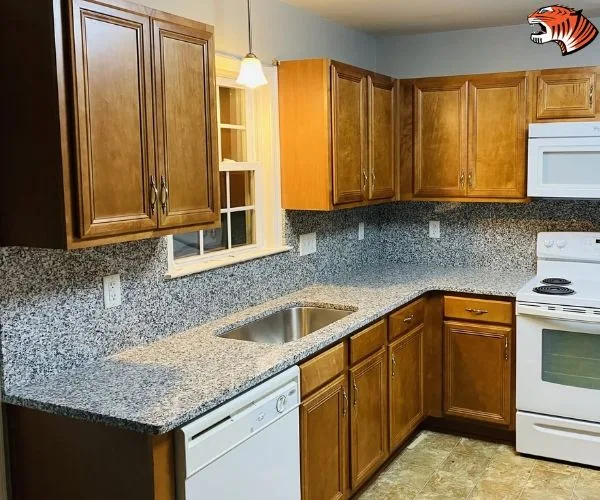
Choosing Materials With Care in Richmond
Richmond's seasonal humidity and temperature shifts make material selection and routine care important.
Before choosing a finish, ask how it responds to spills, sunlight, heat, and cleaning routines. Quartz is engineered with mineral content and resin, while quartzite is natural stone; their care requirements differ. Marble has distinctive veining but needs careful handling around acids. Granite varies by slab, so sealing advice should reflect the actual stone. View samples in kitchen lighting to reveal undertones showroom lighting may hide completely.
Homeowners comparing options may find Tiger Granite and Marble's guide, Quartzite vs. Quartz: What Is the Difference for Kitchen Countertops?, useful for comparing two popular surfaces before deciding.
Tiger Granite and Marble serves Richmond homeowners exploring countertop materials and upgrades. Discussing cooking habits, appearance preferences, maintenance expectations, and kitchen layout can help narrow choices. Accurate measurements and proper support matter as much as the slab itself.
A Surface That Lasts Starts With Good Habits
Most countertop damage is easier to prevent than repair. Match the material to your household, protect edges, clean spills quickly, and use appropriate products. For guidance on selecting kitchen countertops, speak with Tiger Granite and Marble about options suited to your home.
Featured
Contact Tiger Granite and Marble
Thanks, your message was sent to Tiger Granite and Marble.