Do you know where most of your money goes each month? Many people have a general idea but don’t see the full picture until they review their spending. A clear budget and a few regular check-ins can help you spot patterns, prepare for upcoming expenses, and make better use of the money you have.
Start with a Clear Budget
Taking hold of your finances begins with your budget. Start by listing your monthly take-home income and expenses,
Include fixed costs such as:
- Rent or mortgage payments
- Insurance
- Loan payments
- Child care
- Internet and phone service
Then estimate expenses that can change from month to month, including:
- Household purchases
- Groceries
- Transportation
- Dining out
- Entertainment
This can be done by manually tracking expenses on a spreadsheet, or by using a budgeting tool or app to track expenses automatically. Choose the method you’re most likely to use consistently.
Reviewing several months of past transactions can give you a more accurate picture than relying on memory. It can also help you spot expenses that don’t happen every month, such as annual fees, car repairs, gifts, or seasonal utility bills. Knowing exactly where your money is going each month is the first step to being in better control of your finances.
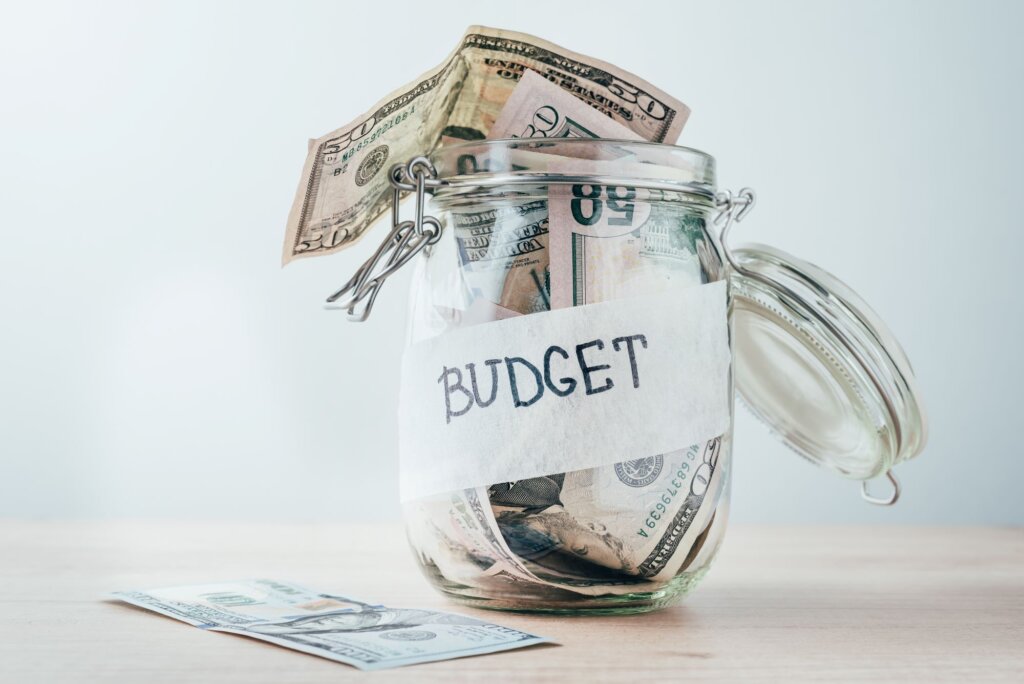
Review Recurring Subscriptions and Bills
Recurring charges are easy to overlook because they happen automatically.
Review your bank and credit card statements for subscriptions, memberships, service plans, and other repeating expenses. Ask yourself:
- Do I still use this?
- Is there a lower-cost plan?
- Am I paying for overlapping services?
- Could I negotiate the rate?
- Would annual billing cost less than monthly billing?
One canceled subscription may not make a major difference, but several small changes can create more room in your monthly budget.
Build an Emergency Fund
Life is full of surprises, and having an emergency fund can provide peace of mind when the unexpected happens. Aim to save three to six months’ worth of living expenses, but don’t worry if that feels like a lot at first. Starting small—even setting aside $20 a week—can help you build the habit and grow your fund over time.
You might start by saving enough to cover:
- A minor car repair
- A medical copay or deductible
- An urgent home expense
- A temporary drop in income
Keep emergency savings somewhere accessible but separate from the account you use for everyday spending. If you keep it in a high yield savings account, you can also earn interest on your savings over time.
Track Your Spending Regularly
A budget only works when you compare it with what you’re actually spending. Set aside a few minutes each week to review recent transactions. You’ll want to look for categories where spending is higher than planned, upcoming bills, forgotten expenses, and areas you can adjust before the month ends.
Regular reviews make it easier to correct small issues early. They can also reveal patterns, like spending more on takeout during busy weeks or underestimating transportation costs.
Set Realistic Financial Goals
Broad goals such as “save more” or “spend less” can be hard to follow through on. A specific target gives you something clear to work toward.
For example:
- Pay an extra $100 toward a credit card each month
- Save $1,000 for unexpected expenses
- Set aside a fixed amount from each paycheck for a vacation
- Increase retirement contributions by one percentage point
- Reduce dining expenses by a set amount
Break larger goals into smaller milestones and track your progress. Your targets should reflect your income, current expenses, and priorities.
Automate Where You Can
Automation can make it easier to stay consistent and reduce the number of financial tasks you need to remember. Consider setting up automatic bill payments, scheduled transfers to savings, or recurring debt payments. You can also automate retirement contributions through payroll and set up bank alerts for low balances or large transactions.
Before automating bills, make sure your account usually has enough money to cover them. Overdraft fees can quickly outweigh the convenience.
You’ll still need to review your statements regularly, even when payments happen automatically.
Plan for Expenses That Don’t Happen Every Month
Many budgets cover regular bills but leave out occasional expenses.
These expenses can include:
- Vehicle maintenance
- Home repairs
- Insurance premiums
- School expenses
- Holiday purchases
- Professional fees
- Annual memberships
- Travel
- Pet care
Estimate how much you’ll spend on these costs over a year, divide that amount into monthly contributions, and set the money aside gradually. These savings are often called sinking funds.
Planning ahead can make predictable expenses easier to manage when they come due.
What Should You Do If Your Budget Isn’t Working?
A budget that looks good on paper may not fit your actual spending, income, or responsibilities.
If you’re consistently going over budget, review your numbers before assuming you simply need more discipline. Your estimates may be too low, your categories may be too rigid, or an important expense may be missing.
Start by asking:
- Which categories are regularly over budget?
- Are those expenses necessary, optional, or temporary?
- Does your budget leave enough room for irregular costs?
- Are your savings or debt targets realistic right now?
- Has your income or household situation changed?
Adjust the plan based on what’s actually happening. A useful budget should respond to real life rather than make every unexpected expense feel like a failure.
When Should You Consider Professional Financial Guidance?
You may be able to manage everyday budgeting on your own, but some situations call for more specialized guidance.
Consider speaking with a qualified financial professional if any of these situations apply to you:
- You’re managing a large amount of debt
- You’re preparing for retirement
- You’re combining finances with a partner
- You’re dealing with a major change in income
- You’re planning for college expenses
- You’re making investment decisions
- You’re unsure how taxes may affect your plans
Before working with anyone, ask how they’re paid, which services they provide, and whether they have a legal or professional obligation to act in your best interest.
A Few Habits Can Make Money Easier to Manage
Organizing your finances usually happens through small, repeated actions. Review your spending, adjust your budget when life changes, automate useful habits, and make room for expenses you know are coming.
You don’t need to address everything at once. Start with one step you can maintain, then build from there.
This community resource is made possible through the generous support of local WhirLocal sponsors.