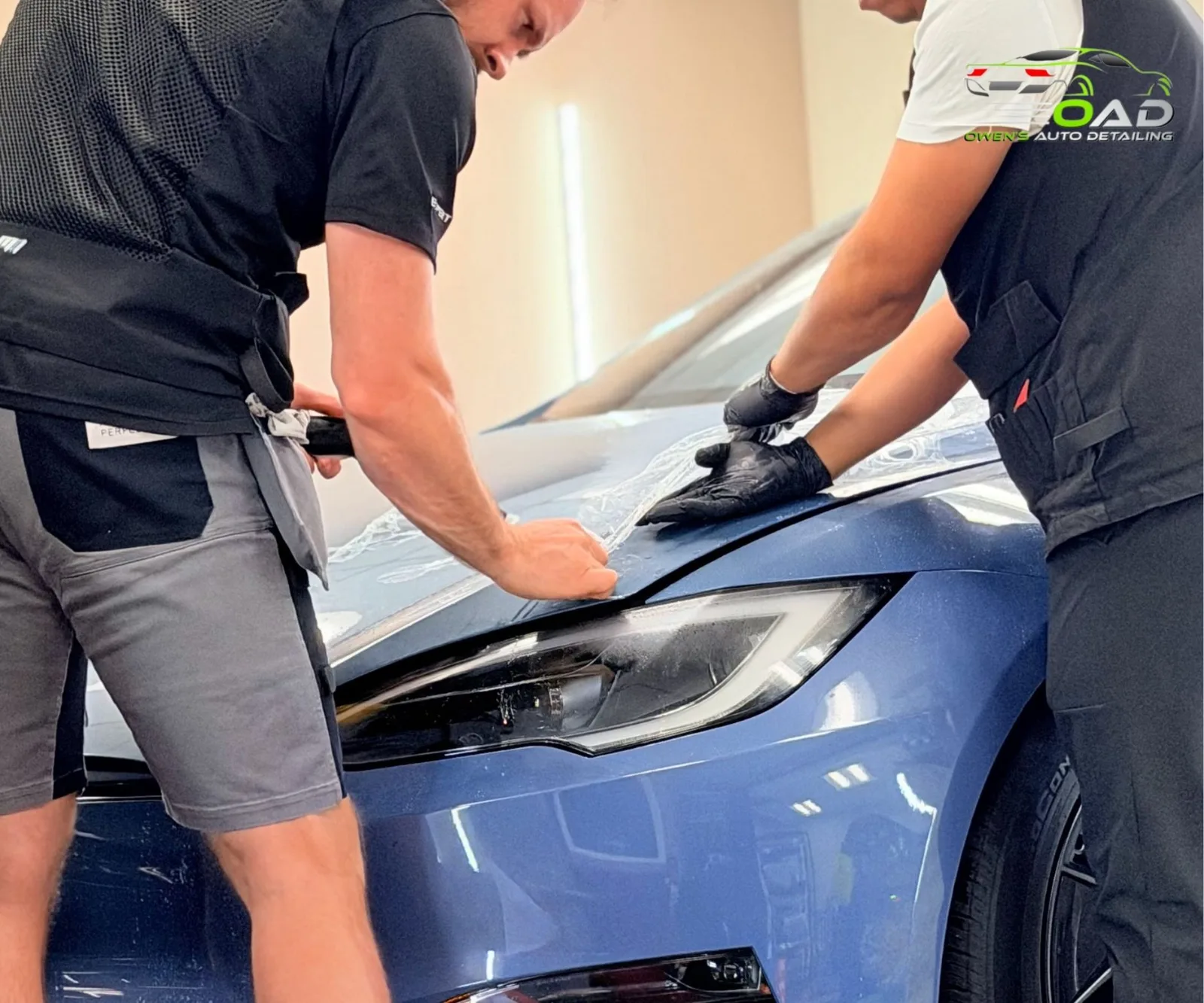
A new vehicle rarely stays pristine. Commuting exposes paint to stone chips, grit, insects, and debris. Paint protection film (PPF) is recommended early because it places a transparent, impact-resistant layer over vulnerable surfaces before daily driving begins. Installing it while the finish is sound helps preserve its appearance.
Why Early Protection Makes Sense
Factory paint is durable, but not immune to damage. Rocks kicked up by traffic can chip a bumper or hood. Sand may leave fine marks, while bug residue and bird droppings can affect clear coat if left in place.
Paint protection film is a clear urethane film applied to selected panels. It absorbs some impact from road hazards and helps reduce the chance of chips, scratches, and stains reaching the paint. It does not make a vehicle damage-proof, but adds a barrier.
Some owners wait until they notice the first chip. By then, the finish is damaged. Applying film before regular use helps protect high-exposure areas such as the front bumper, hood, fenders, mirrors, and door edges. Coverage can reflect driving habits and budget.
Chesterfield Roads Put Paint to Work
Drivers around Chesterfield use neighborhood streets, commuter routes, and highways where gravel and debris can be thrown by other vehicles. Construction and seasonal road conditions add exposure. Daily driving creates opportunities for small impacts, even with careful driving.
PPF can be practical for commuters, highway travelers, and owners who want to maintain a vehicle’s appearance. It may also suit leased vehicles, where visible damage can matter at return.
Choosing Coverage and Caring for the Film
Focus on High-Impact Areas
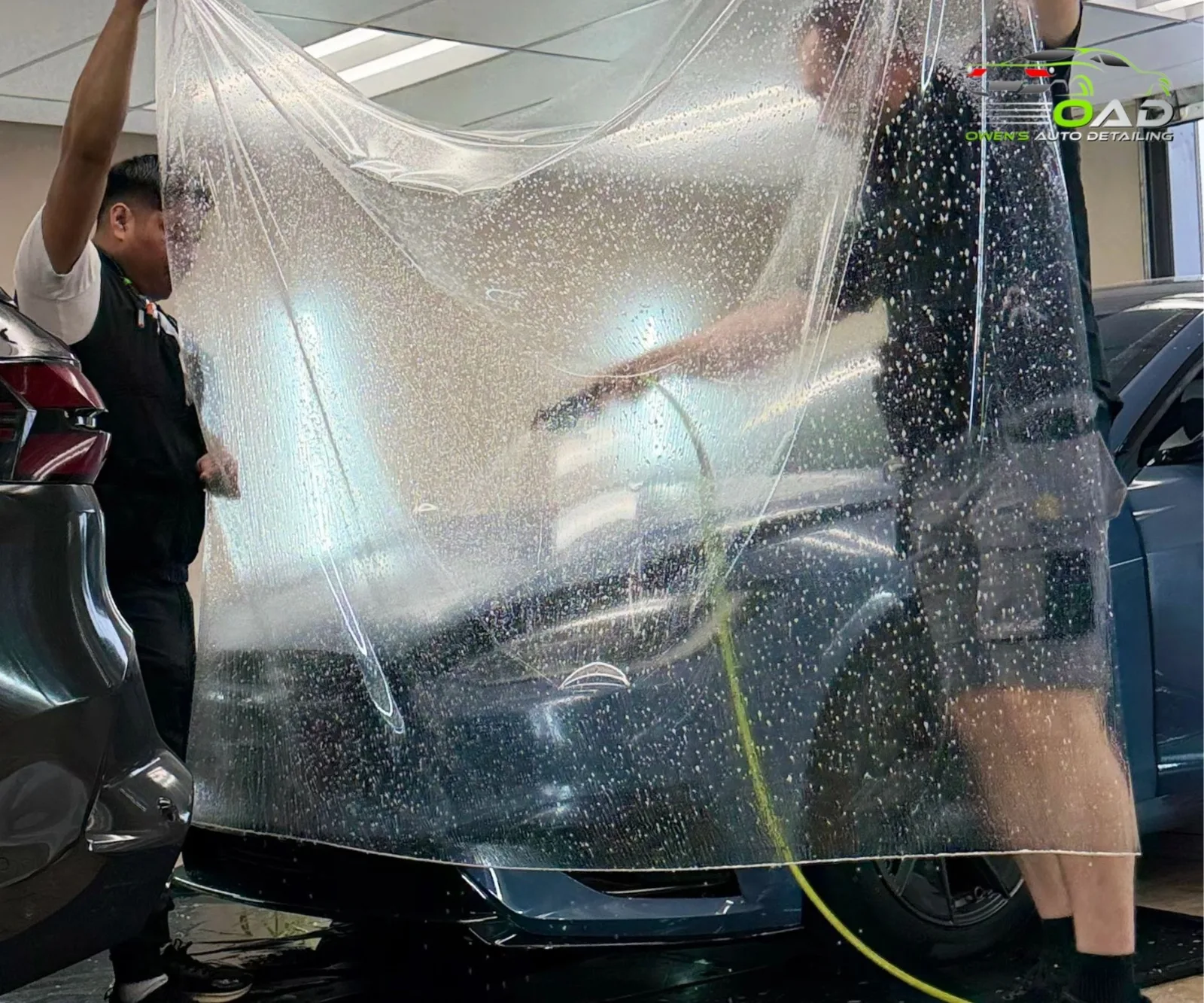
A partial-front package may cover the bumper, hood, fenders, and mirrors, while broader packages protect more painted surfaces. Ask which panels are included and whether edges are wrapped where practical. The right choice depends on how the car is driven.
Keep Expectations Realistic
Film helps guard against common road damage, but cannot prevent every deep scratch, collision, or dent. It may show marks itself, and performance varies by product and installation. Some films have self-healing top layers that make light marks less noticeable with warmth. For more detail, read “Why Does Paint Protection Film Show Scratches Even When It Has Self-Healing Properties.”
After installation, follow the installer’s care instructions. Wait the recommended period before washing, use gentle methods, and remove contaminants with approved products. Harsh chemicals and abrasive tools can damage the film.
A Practical First Step for New-Car Owners
Owen's Auto Detailing LLC serves Chesterfield-area drivers considering ways to protect their vehicle’s finish. Before choosing a package, discuss mileage, parking, highway use, and exposed panels. Understanding coverage and maintenance helps set expectations.
Paint protection film is most useful before the first commute, not after the first chip. For a new car facing Chesterfield roads, early protection can help keep its factory finish in better condition. Explore PPF options with Owen's Auto Detailing LLC and choose coverage suited to your driving.
Featured
Owen’s Auto Detailing, Ceramic Coating, Paint Protection Film (PPF) and Window Tint
Richmond, VA
5.0 131 on Google
Richmond, VA
Contact Owen’s Auto Detailing, Ceramic Coating, Paint Protection Film (PPF) and Window Tint
Thanks, your message was sent to Owen’s Auto Detailing, Ceramic Coating, Paint Protection Film (PPF) and Window Tint.