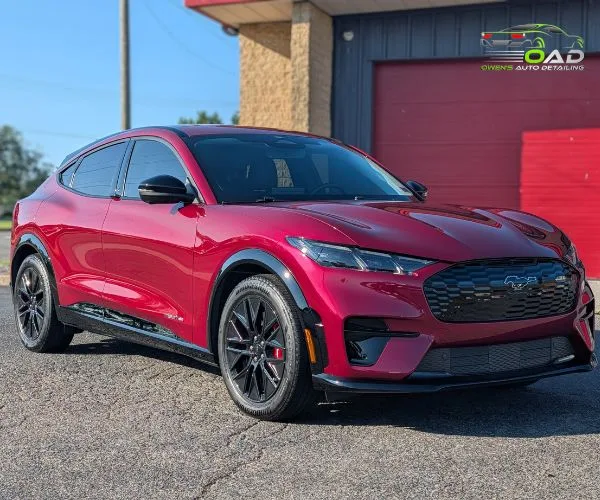
Ceramic coating helps protect automotive paint, but it does not make a vehicle scratch-proof or chip-proof. This matters for drivers preserving their vehicle's appearance through traffic, construction zones, and changing weather. The coating creates a protective layer, but its strengths are chemical resistance, water repellency, and easier maintenance. Knowing its limits helps owners choose suitable protection. Set realistic expectations first.
What Does Ceramic Coating Actually Protect Against?
A professional coating bonds to the vehicle's clear coat, creating a hydrophobic surface that helps water, dirt, and road grime release more easily. It also offers some resistance against contaminants, bird droppings, tree sap, and chemical exposure.
However, this layer is relatively thin. It is not designed to absorb impacts or stop sharp objects from reaching the paint.
Can It Prevent Swirl Marks?
Swirl marks are fine scratches commonly caused by improper washing and drying. Dirty wash mitts, rough towels, and automatic car wash brushes can create these imperfections.
Ceramic coating makes cleaning easier, reducing opportunities for wash-related damage. However, it cannot eliminate swirl marks or guarantee scratch-free washing. Clean wash tools and careful drying remain essential.
Does It Stop Rock Chips?
No. Small stones and road debris can strike panels with enough force to penetrate the clear coat and paint. Ceramic coating cannot reliably absorb that impact.
For stronger physical protection, paint protection film (PPF) is more appropriate. Its thicker, flexible construction helps absorb road-debris impacts, particularly on vulnerable areas such as front bumpers, hoods, and side mirrors.
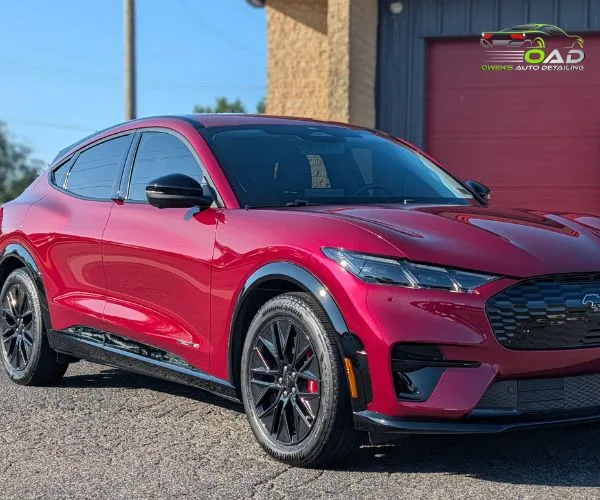
Why Local Driving Conditions Matter
Chesterfield drivers encounter suburban roads, highway commutes, construction activity, and seasonal environmental exposure. Road debris, summer heat, rain, and fallen leaves can affect exterior surfaces.
A coating makes contaminants easier to remove, but it does not replace regular washing. Mineral deposits, sap, or bird droppings left on paint can still cause staining or etching.
Simple Habits That Preserve the Finish
Rinse loose dirt before touching the paint.
Use pH-neutral automotive shampoo and clean microfiber wash mitts.
Dry with a soft microfiber towel.
Remove bird droppings and tree sap promptly.
Follow the coating manufacturer's maintenance instructions.
Choosing the Right Paint Protection
The right solution depends on exposure and expectations. Ceramic coating prioritizes gloss, water behavior, and easier maintenance. PPF provides a stronger physical barrier against chips and abrasions. Some owners choose both, applying film to high-impact areas and coating remaining painted surfaces.
Owen's Auto Detailing LLC serves Chesterfield and surrounding communities with ceramic coating, paint protection film, and paint correction. Discussing driving habits, paint condition, and protection priorities can help determine a suitable combination.
For preparation guidance, read How Long Does Ceramic Coating Take to Cure Before a Vehicle Can Be Safely Washed? Washing too early may interfere with the coating's initial bonding and performance.
Ultimately, ceramic coating is valuable protection, not an invisible suit of armor. Chesterfield drivers can explore options with Owen's Auto Detailing LLC and make an informed decision about preserving their vehicle's finish.
Featured
Contact Owen's Auto Detailing LLC
Thanks, your message was sent to Owen's Auto Detailing LLC.