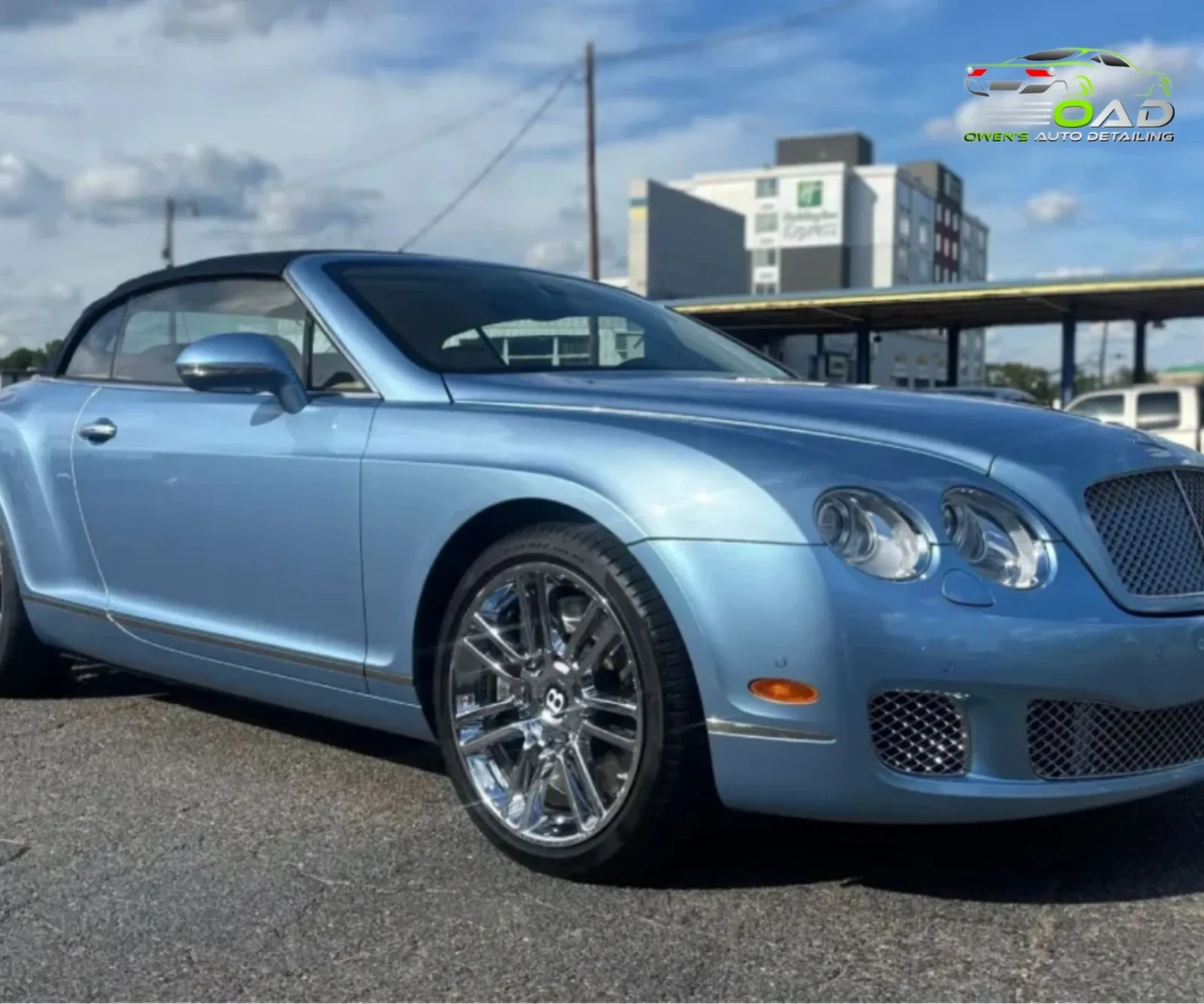
Ceramic coating can enhance automotive paint’s gloss and simplify maintenance, but it does not erase fine scratches or swirl marks. It creates a protective layer over the existing finish, meaning imperfections generally remain visible unless corrected beforehand. For drivers in Short Pump, understanding this distinction helps set realistic expectations before investing in paint protection.
What Ceramic Coating Changes
Ceramic coating bonds to prepared paint, creating a hydrophobic surface that encourages water to bead and helps grime release more easily. Depending on the paint’s condition and coating system, the added gloss can make colors look richer and reflections sharper.
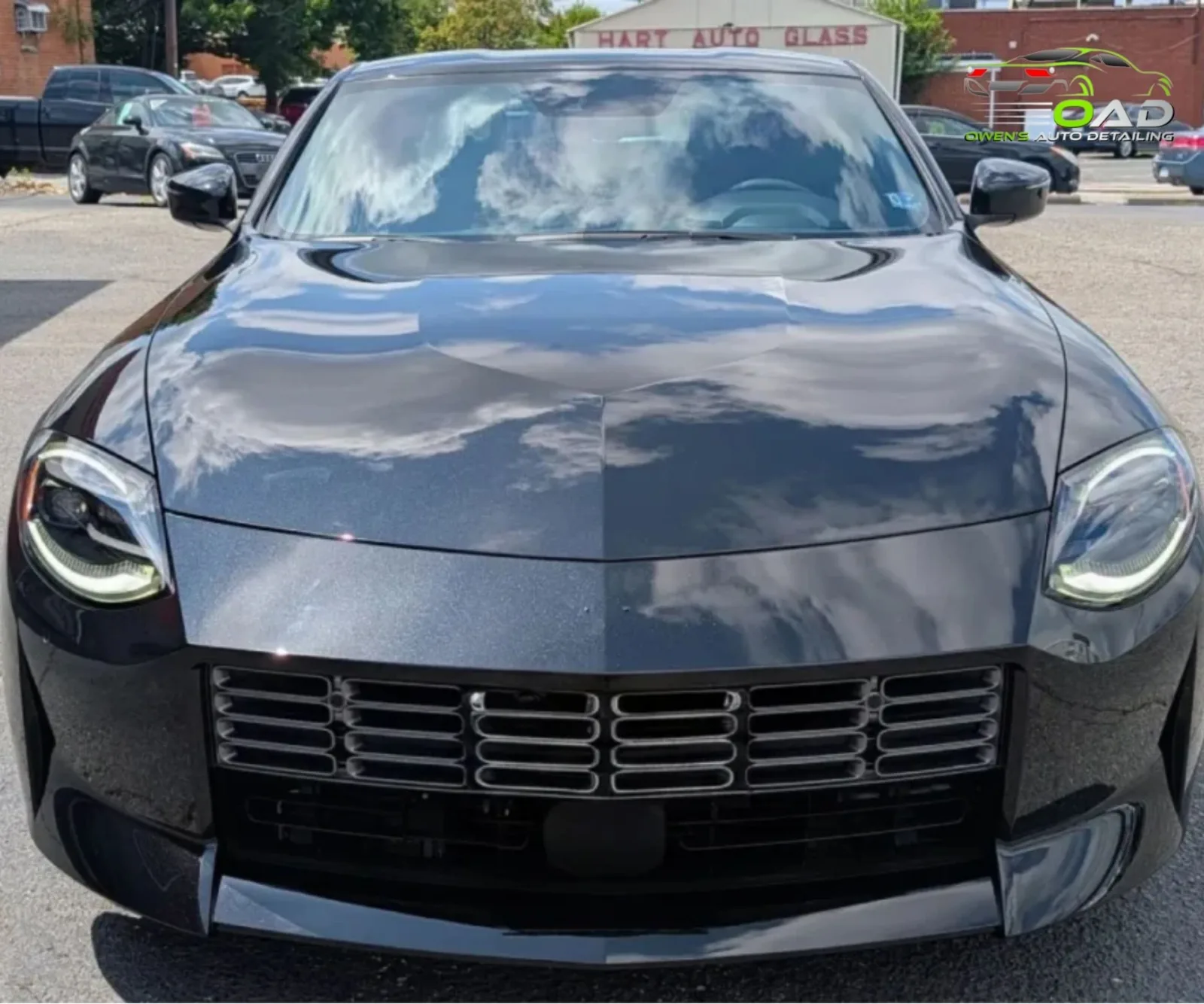
However, improved clarity can also reveal defects. Circular marks from improper washing, light scuffs, and hairline scratches may remain visible under direct sunlight or parking-lot lights. Ceramic coating is not a filler that levels damaged clear coat, nor does it make paint completely scratch-proof.
Why Swirl Marks Remain Visible
Swirl marks are fine abrasions in a vehicle’s clear coat. Ceramic coating covers the prepared surface rather than polishing away existing damage. If these marks remain before application, they may still be noticeable afterward. In some lighting, enhanced gloss can make imperfections more apparent.
Preparation Makes the Difference
A thorough paint assessment helps determine whether correction is appropriate before coating. Washing and decontamination remove dirt and bonded contaminants, while machine polishing can reduce suitable surface defects. Deep scratches may remain because removing them completely could require excessive clear-coat removal.
Ask your detailer which imperfections can realistically be improved and whether paint correction is included. Applying ceramic coating over uncorrected paint generally preserves the underlying condition, making preparation essential to the final appearance.
What About Freshly Repainted Vehicles?
Paint preparation also matters when a vehicle has recently been refinished. Before scheduling protection, understand the paint’s curing requirements. Read more in Can Ceramic Coating Be Applied Immediately After A Vehicle Has Been Repainted. Fresh paint may need additional time to cure and release solvents, depending on the paint system and refinishing process. Follow the body shop’s guidance and confirm coating compatibility before application.
Local Driving and Everyday Care
Short Pump drivers encounter seasonal pollen, rain, road film, and grit. These contaminants can dirty paint, while improper washing can introduce new swirl marks. Use automotive shampoo, a soft wash mitt, clean microfiber towels, and separate tools for wheels. Avoid wiping dusty paint when dry.
Ceramic coating simplifies maintenance but does not prevent every water spot, chip, or scratch. Consistent, gentle washing remains important.
Choosing the Right Service
Owen’s Auto Detailing LLC serves drivers in the Short Pump area. Discuss your vehicle’s paint condition, correction needs, and coating expectations before booking.
Ultimately, ceramic coating enhances appearance and maintenance, while proper preparation addresses existing defects. Contact Owen’s Auto Detailing LLC to discuss a suitable approach for your vehicle’s finish.
Featured
Owen’s Auto Detailing, Ceramic Coating, Paint Protection Film (PPF) and Window Tint
Richmond, VA
5.0 131 on Google
Richmond, VA
Contact Owen’s Auto Detailing, Ceramic Coating, Paint Protection Film (PPF) and Window Tint
Thanks, your message was sent to Owen’s Auto Detailing, Ceramic Coating, Paint Protection Film (PPF) and Window Tint.