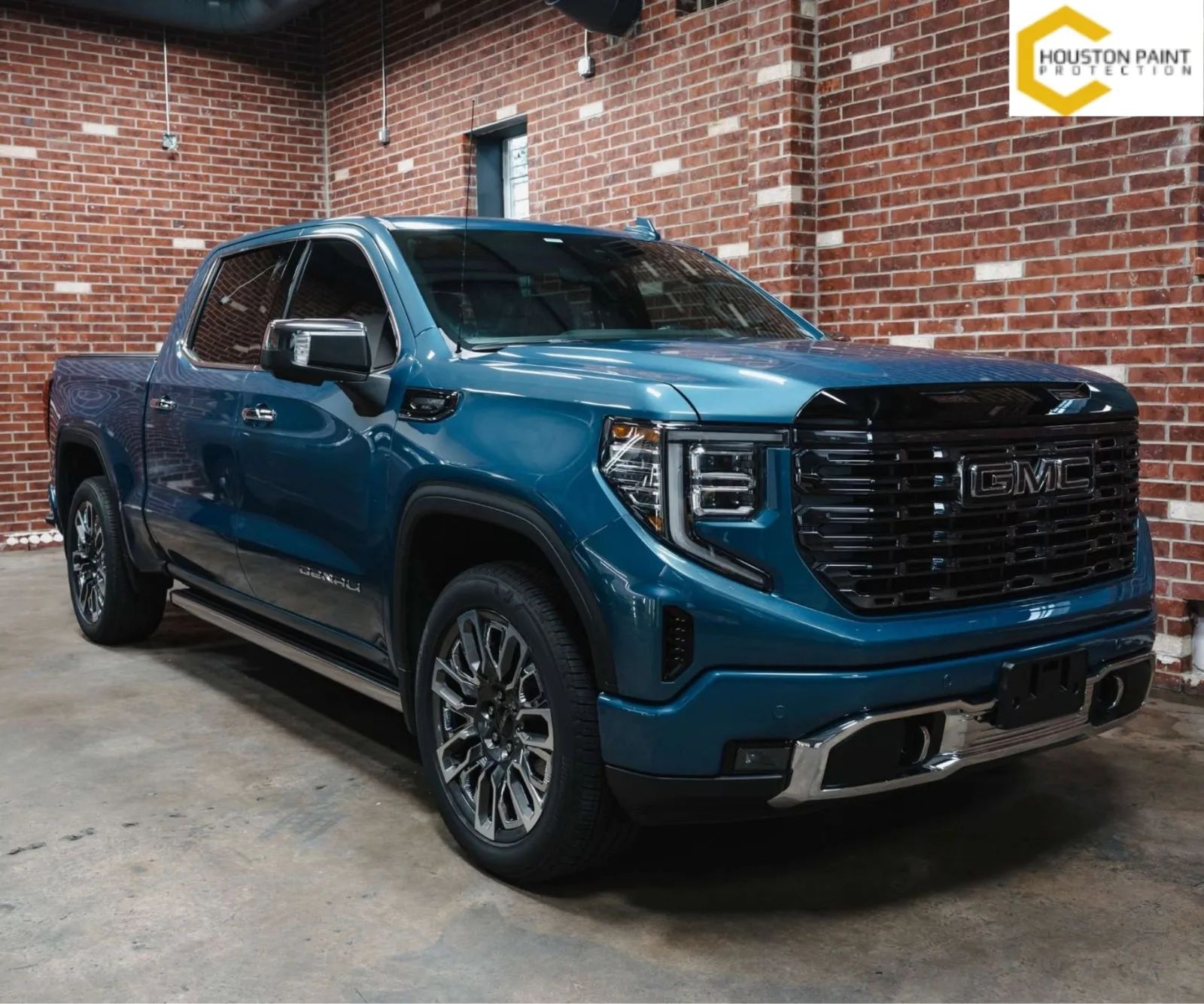
Paint protection film can be worthwhile for commuters and luxury-car owners whose vehicles face frequent exposure to chips, scratches, and road grime. Its value depends on driving habits, coverage, and how long you plan to keep the vehicle. For Greater Heights drivers, the decision is not just about appearance; it is about preventing avoidable paint damage.
What Does Paint Protection Film Protect?
Paint protection film, or clear bra, is a transparent urethane layer applied over painted surfaces. It helps absorb impacts from small stones and road debris, reducing the risk of chips and light abrasions. Some films have self-healing topcoats that can soften the appearance of fine marks when warmed.
PPF is not an impenetrable shield. It cannot prevent every dent, deep scratch, collision, or damage from neglected contamination. It also does not replace washing and maintenance. Think of it as a sacrificial barrier that takes some abuse before the factory finishes.
Daily Drivers: Protect High-Impact Areas
Commuters can collect paint damage quickly. Trips along busy Houston routes expose bumpers, hood edges, fenders, and mirrors to gravel, construction debris, insects. Heat, sunlight, rain, and humidity also challenge exterior maintenance.
Full-body coverage may be unnecessary for a daily vehicle. Partial-front coverage can protect the bumper, hood, and mirrors; a fuller package may include the fenders. Compare the price with your mileage, parking habits, vehicle age, and tolerance for visible chips.
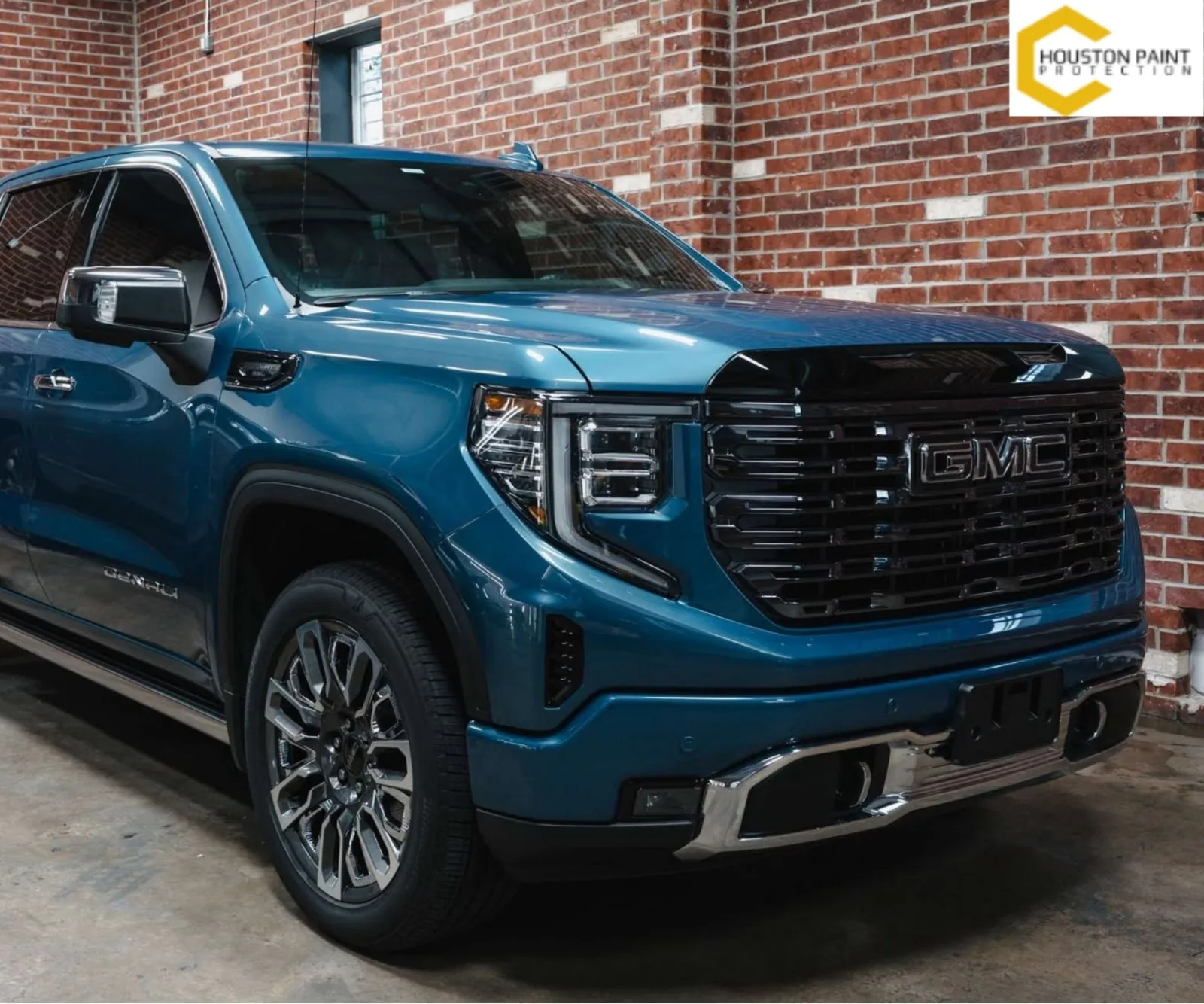
Luxury Vehicles: Preserve the Original Finish
Paint, complex curves, and costly refinishing can make prevention appealing for luxury vehicles. PPF helps preserve the finish in vulnerable areas and can support better presentation when selling. It suits owners who would rather protect factory paint than repaint panels after repeated road damage.
Film does not guarantee a higher resale price. Condition, service history, market demand, and installation quality matter. Buyers may value documented care, but a financial return is never automatic.
How to Choose the Right Coverage
Ask the Installer
Consider annual mileage, routes, ownership plans, and the panels most exposed to damage. Ask about film type, coverage boundaries, edge wrapping, maintenance, removal, and what the quote includes. Review sample work and clarify how seams and sensors will be handled.
After installation, follow curing and washing instructions. Do not pick at edges. Have lifting, contamination, or unusual moisture assessed instead of attempting a repair yourself. For more context, read “Why Does Paint Protection Film Sometimes Develop Small Water Pockets After Installation” to understand why moisture-related appearance changes may occur and when an installer should inspect them.
A Greater Heights Perspective
Houston Paint Protection serves Greater Heights drivers with options from partial-front coverage to full-vehicle applications. Its PPF page outlines package areas, helping owners compare coverage instead of assuming every vehicle needs the same protection.
Paint protection film makes sense when the cost of protecting vulnerable panels aligns with your driving habits and expectations. Assess your vehicle, compare coverage, and request a quote from Houston Paint Protection before deciding.
Featured
Contact Houston Paint Protection
Thanks, your message was sent to Houston Paint Protection.