
Ceramic coating can make paint easier to clean and help defend the clear coat against contaminants. It is not armor against stones, deep scratches, or weather. Its value depends on driving conditions, maintenance habits, and whether easier upkeep justifies the cost.
What Protection Does Ceramic Coating Provide?
A ceramic coating bonds to prepared automotive paint and forms a water-repellent surface. Its hydrophobic behavior helps rainwater and grime release during washing. A coating can resist staining from bird droppings, bug residue, tree sap, and road film when removed promptly.
That matters around Bellaire. Houston-area vehicles encounter intense sunlight, humidity, downpours, construction dust, and stop-and-go traffic. Daily commuters may collect oily road residue and fine grit. A coating can simplify cleaning, but it does not prevent all contamination or eliminate washing.
What About Road Salt and Highway Debris?
Road salt is a greater concern in regions with frequent winter treatment, but Gulf Coast drivers may encounter it on winter trips. Salt and deicing chemicals cling to underbody components and paint. A coating may make painted surfaces easier to rinse, but it does not replace prompt washing underneath the vehicle.
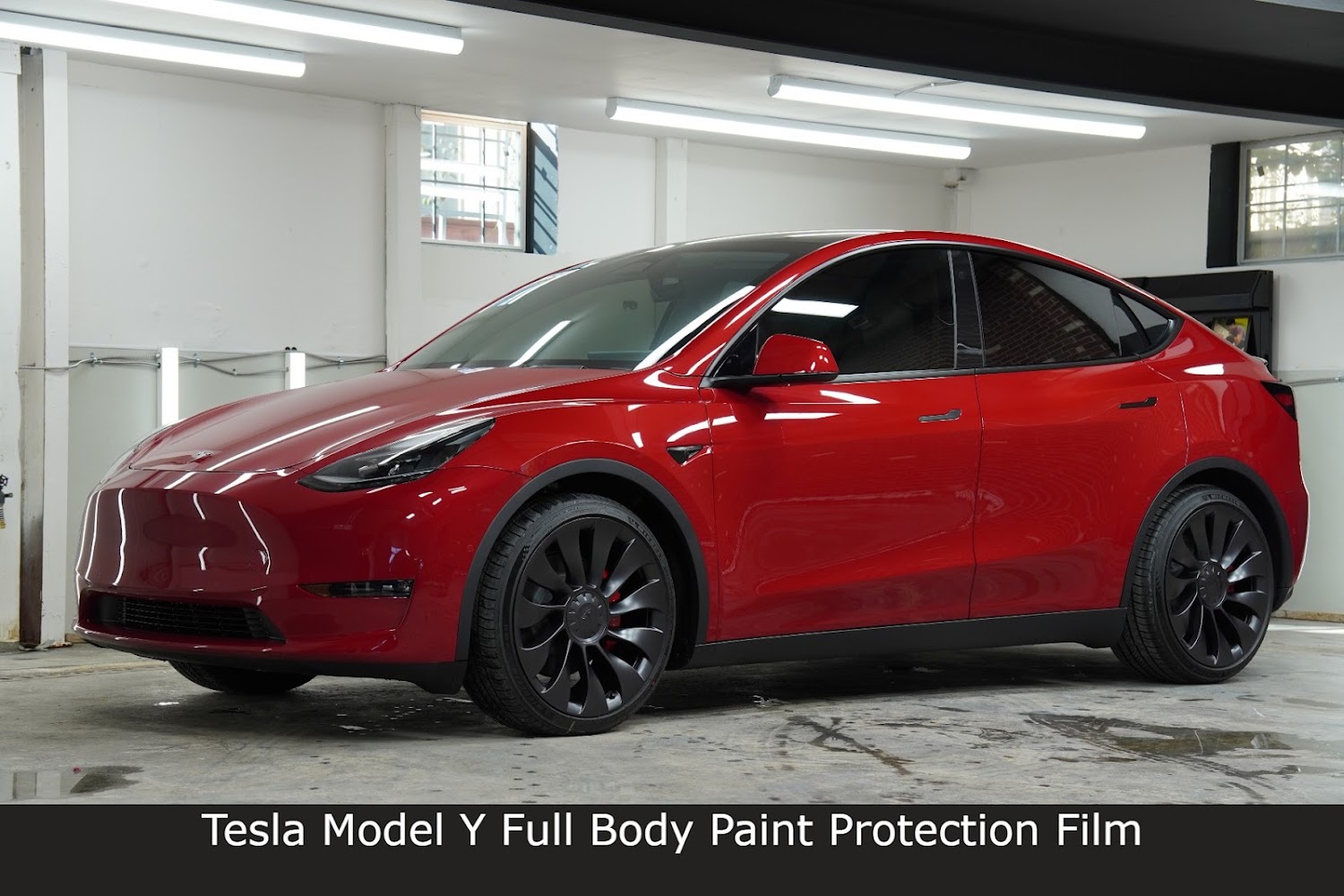
Highway stones require another solution. Ceramic coatings are too thin to absorb rock impacts reliably. Paint protection film (PPF), a thicker clear urethane layer, better protects vulnerable areas such as the hood, bumper, and mirror caps. Some owners use PPF on impact zones and coating on remaining paint.
Is the Upfront Cost Worth It?
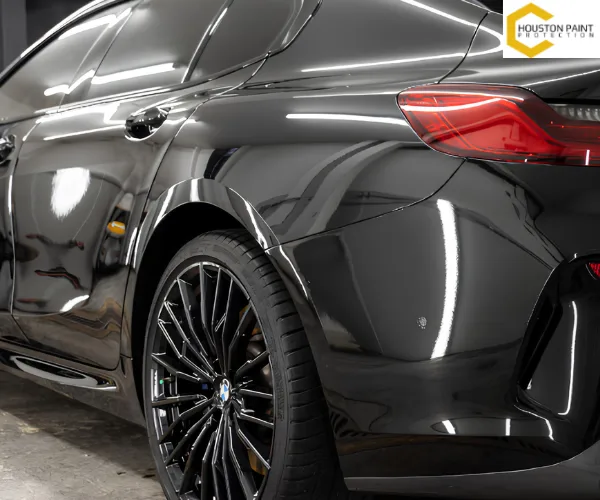
Consider ownership plans rather than expecting a coating to pay for itself. It may suit drivers who keep vehicles for years, park outdoors, value gloss, and prefer easier maintenance. It may be less compelling for frequently traded vehicles, neglected paint, or owners who rarely wash.
Preparation is central. Washing, decontamination, and paint correction create a clean surface for bonding. A coating will not hide swirl marks; without correction, it can preserve defects beneath the finish.
Choosing and Maintaining Protection
Ask what preparation is included, which product is applied, what care it requires, and what its stated service life means. Compare the complete process, not just advertised durability.
After installation, use pH-neutral automotive shampoo, soft wash media, and clean towels. Wash regularly, remove bird droppings and bug remains promptly, and avoid abrasive brushes. Follow the installer’s curing and maintenance guidance.
For a comparison of professional application and consumer kits, read Is Professional Ceramic Coating Worth the Investment Compared to DIY Ceramic Coating Products. It explains why preparation and product differences matter.
A Practical Local Decision
Houston Paint Protection serves Bellaire-area vehicle owners with ceramic coating and other paint-protection options. A consultation considers your driving routine, paint condition, parking, and expectations.
Ultimately, ceramic coating can be a worthwhile paint-care investment, but it is not a substitute for PPF when impact protection is needed. Ask Houston Paint Protection to assess your vehicle and explain which combination suits your daily drive.
Featured
Contact Houston Paint Protection
Thanks, your message was sent to Houston Paint Protection.