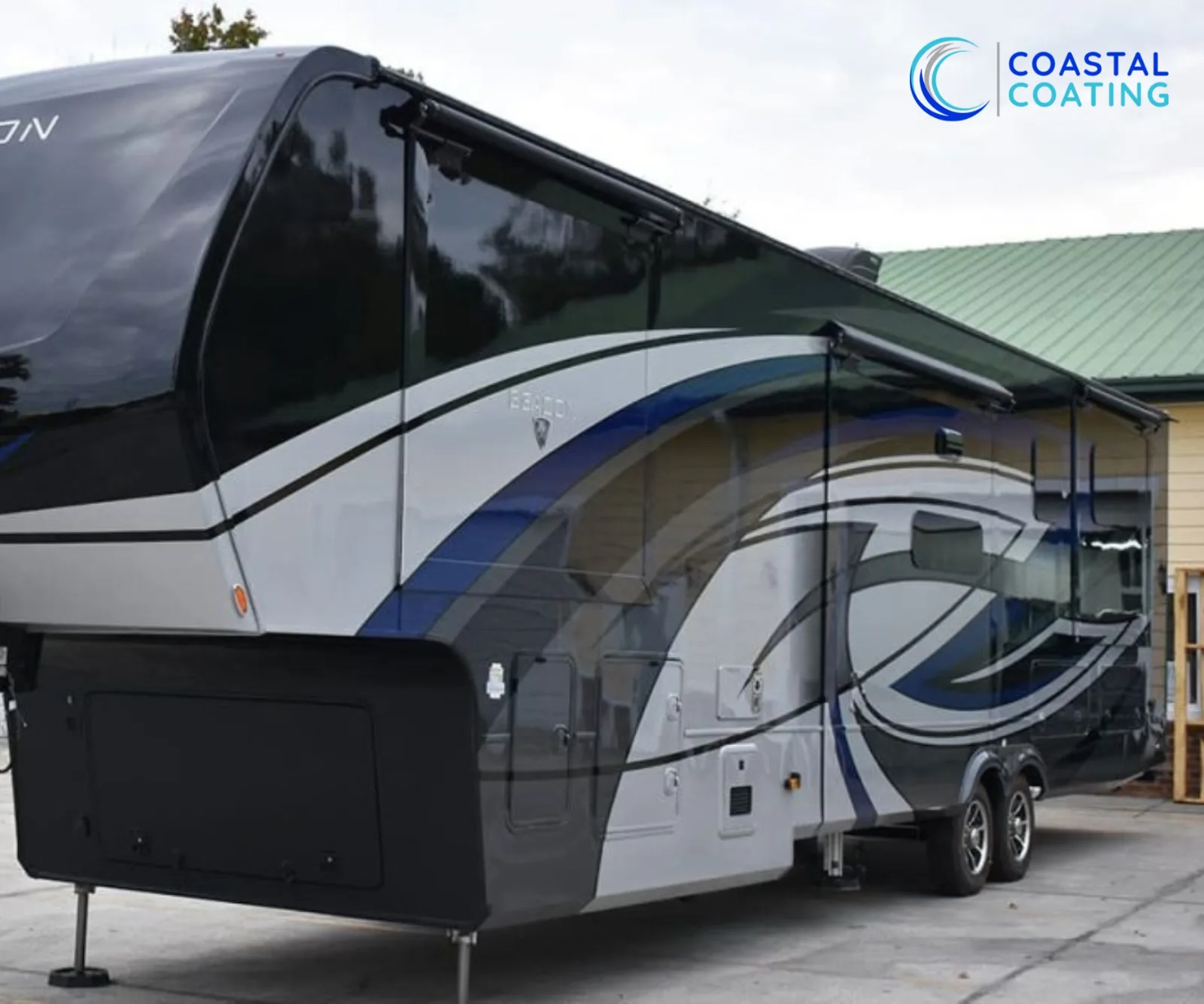
For RV owners in Pawleys Island, South Carolina, professional RV coating can be a worthwhile investment when durability, surface preparation, and long-term maintenance matter. DIY protective products offer a convenient, budget-friendly alternative, but the right choice depends on the vehicle’s condition, exposure to coastal elements, and how much work owners can handle themselves.
Understanding the Difference Between Professional and DIY Protection
RV exteriors face demanding conditions, especially near the coast. Salt carried by ocean air, intense sunlight, humidity, rain, and road grime can gradually affect painted surfaces and exterior finishes. Regular washing removes contaminants, but protective products add an extra layer of defense.
What DIY Products Can Accomplish
Consumer waxes, sealants, and spray-on ceramic products can improve gloss, enhance water beading, and make routine cleaning easier. They are appealing to owners who enjoy maintaining their vehicles and want greater control over product selection and application.
However, results depend on the product, surface preparation, application technique, and maintenance routine. Some products require frequent reapplication, while others offer different levels of durability. Applying protection over oxidation, embedded grime, or residue may also limit the finish quality.
Why Professional RV Coating May Offer Greater Value
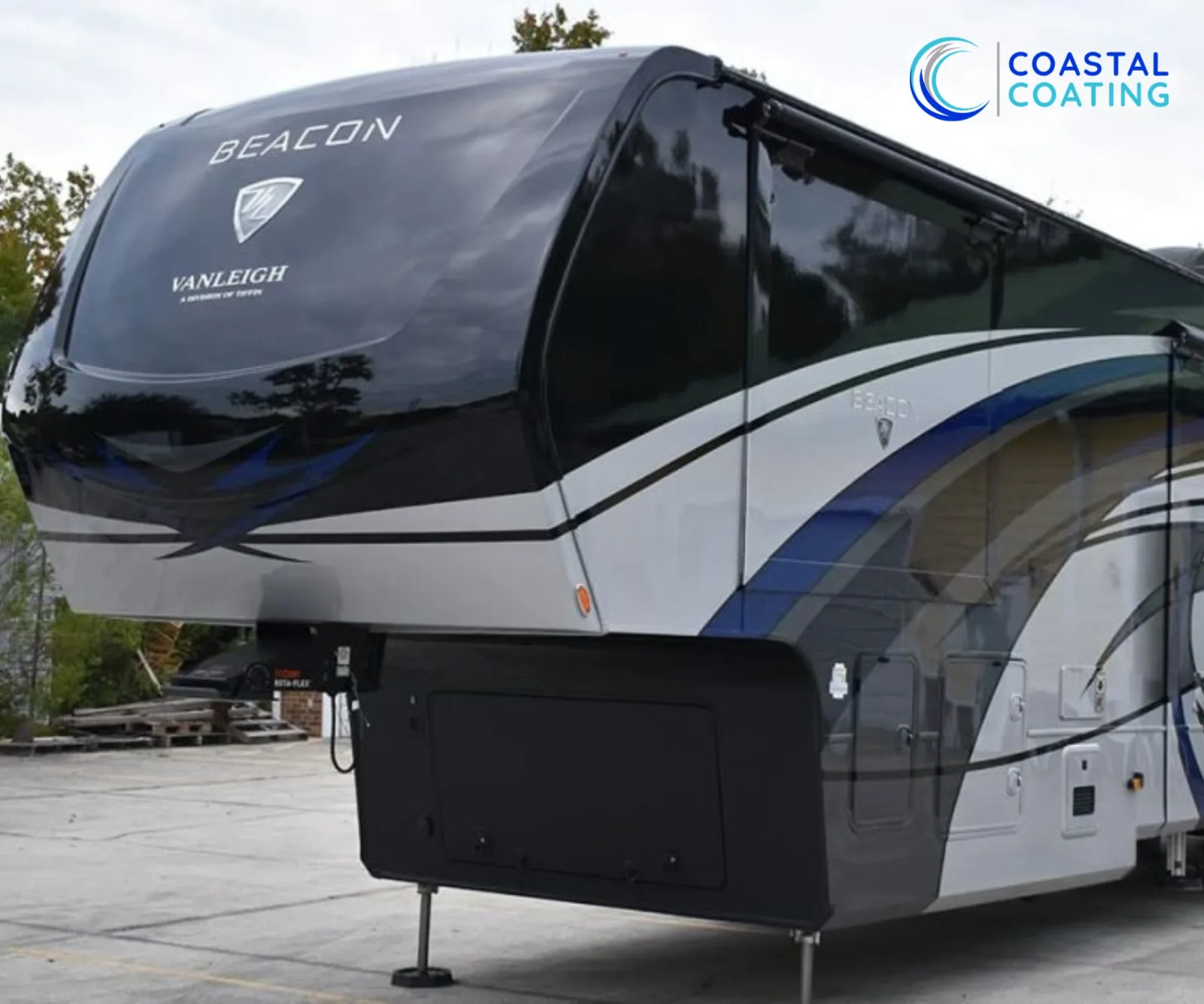
Professional RV coating typically involves careful washing, contamination removal, surface assessment, and appropriate preparation before the protective product is applied. Depending on the finish, correction work may also be necessary.
This preparation matters because coatings cannot automatically hide existing defects or reverse neglected paint. Proper application helps the product bond as intended, while following manufacturer instructions supports its performance.
For owners who travel frequently, store their RV outdoors, or spend extended periods along the South Carolina coast, professionally applied protection may simplify upkeep. It can help reduce how strongly certain contaminants adhere, although regular cleaning remains essential.
Evaluating the Real Cost
Consider More Than the Initial Price
DIY products generally cost less upfront, but owners should account for applicators, cleaning supplies, preparation time, and repeated applications. Professional service requires a larger initial investment, yet may reduce the effort involved in maintaining the exterior.
Neither option eliminates washing, inspection, or eventual renewal. Compare product specifications, expected service life, preparation requirements, and maintenance instructions instead of judging value by price alone.
RV size, exterior material, existing condition, and intended use should all influence the decision.
Making the Right Choice Locally
Coastal Coating serves the Pawleys Island area and can be a local resource for RV owners evaluating exterior protection options. Before choosing a coating, discuss the vehicle’s finish, exposure conditions, preparation needs, and realistic maintenance expectations.
For additional guidance, read “How Can RV Owners Determine Whether Their Vehicle Needs a New RV Coating Application or Routine Maintenance” to understand when refreshing existing protection may be appropriate.
Ultimately, DIY products suit hands-on owners comfortable with regular upkeep, while professional RV coating may better suit those prioritizing thorough preparation and convenience. Assess your RV’s condition and travel habits, then choose protection that fits your budget and maintenance goals.
Featured
Contact Coastal Coating
Thanks, your message was sent to Coastal Coating.