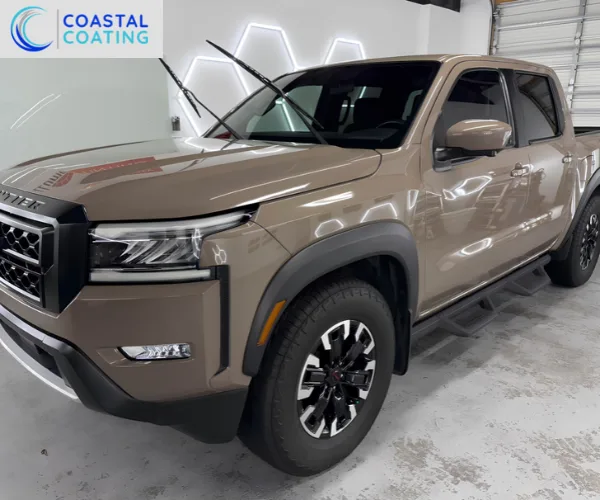
A ceramic coating can protect vehicle paint for several years, but its lifespan depends on product, preparation, driving conditions, and care. Some formulas are rated for multiple years. Those ratings are expectations, not a promise that every vehicle will perform identically.
What Determines a Coating’s Lifespan?
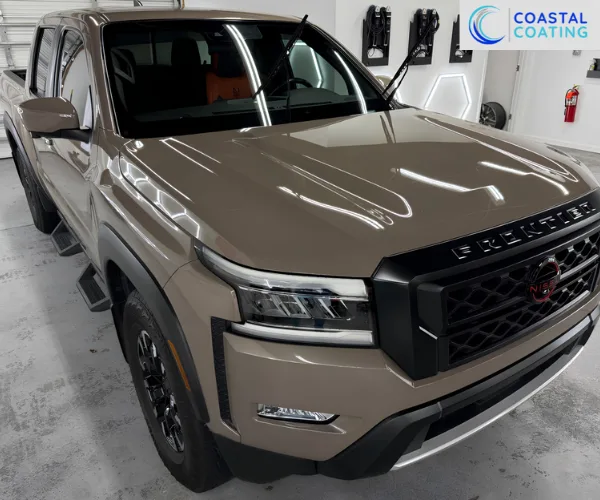
Ceramic coating forms a thin, bonded layer over automotive paint. Its hydrophobic properties help water bead and carry away loose dirt, making washing easier. It can resist certain contaminants and UV exposure. However, it will not prevent rock chips, deep scratches, dents, or chemical stains.
Product and Preparation Matter
Different formulas have different durability claims. A spray, maintenance topper, and professionally installed coating are not equivalent. Ask how long the product is expected to perform and what care its manufacturer requires. Drivers comparing paint protection options can also explore Graphene Coating vs. Ceramic Coating: What's the Difference to understand how these technologies differ in durability, water repellency, maintenance, and overall paint protection.
Paint should be washed and decontaminated, and defects may need polishing before application. If the surface is dirty or oily, the coating may not bond as intended. Proper application and curing time also influence results.
Myrtle Beach Conditions Put Protection to the Test
Driving near the South Carolina coast means strong sunlight, humidity, salty air. Vehicles parked outdoors may collect bird droppings, tree residue, pollen, and road grime. These contaminants can affect paint if left sitting, even when a coating is present.
Coastal exposure does not automatically make a coating fail early, but consistent care is important. Shaded parking can reduce sun exposure, while promptly removing bird droppings helps limit staining. After beach trips, rinse away salt and sand instead of wiping a dry, gritty surface.
How Can Drivers Help It Last?
A routine supports coating performance:
Wash with pH-neutral automotive shampoo and clean wash media.
Use separate tools for wheels and painted panels.
Avoid automatic brushes and harsh household cleaners.
Dry with a clean microfiber towel.
Follow the installer’s advice on maintenance and inspections.
Water behavior is one clue, not a definitive test. Beading can change as residue builds up, and a coating may remain even when water no longer beads dramatically. Safe washing or approved decontamination may restore water behavior. Persistent dullness or reduced performance deserves professional assessment.
Choosing the Right Expectations
Ask whether the quoted lifespan refers to the manufacturer’s rating, an installer’s service interval, or a warranty term. These are not interchangeable. Clarify required washing, inspections, or maintenance treatments, and whether mileage and parking habits affect the recommendation.
For Myrtle Beach drivers, Coastal Coating offers ceramic coating, detailing, and paint correction. Its website identifies saltwater exposure, humidity, and intense sunlight as regional concerns. Discussing a vehicle’s condition and use can help determine suitable protection.
The Takeaway
Coastal Coating helps Myrtle Beach drivers understand their paint protection options and choose a suitable ceramic coating for their vehicles. Although ceramic coating can last for years, no single lifespan fits every vehicle. Product choice, preparation, application, and proper washing all matter. Treat coating as a way to make paint care easier, not permission to neglect the finish. Request a vehicle-specific quote to explore your options.
Featured
Contact Coastal Coating
Thanks, your message was sent to Coastal Coating.