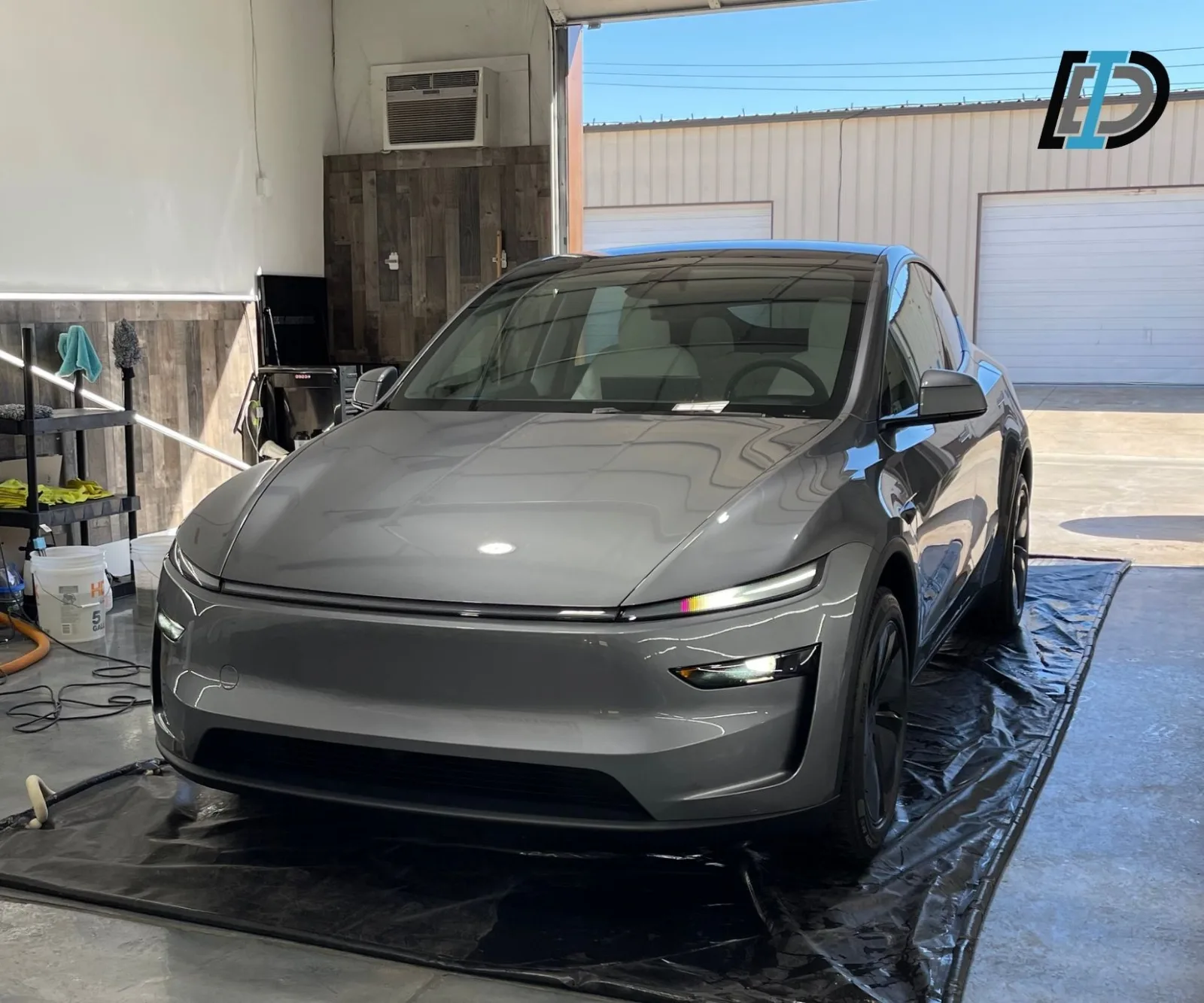
A vehicle's paint can look clean after washing yet still feel rough because contaminants remain bonded to the clear coat. Professional car detailing addresses this problem through careful decontamination methods that remove stubborn residue without unnecessarily abrading the finish. Understanding how these techniques work helps drivers protect their vehicles while maintaining a smooth, attractive exterior.
Why Embedded Contaminants Require Special Attention
Everyday driving exposes vehicles to substances that ordinary washing cannot completely remove. Brake dust, industrial fallout, tree sap, road tar, and mineral deposits can accumulate on painted surfaces. Professional car detailing addresses this buildup through specialized cleaning methods that remove stubborn contaminants. Over time, these particles may bond to the clear coat, creating a rough texture and diminishing paint clarity.
For drivers around Cumming, Georgia, changing weather, pollen, rain, and regular highway travel can contribute to exterior buildup. Although these contaminants may seem harmless initially, leaving them untreated can make routine cleaning less effective and increase the likelihood of surface damage during improper washing.
How Professionals Safely Remove Contamination
1. Thorough Washing and Surface Preparation
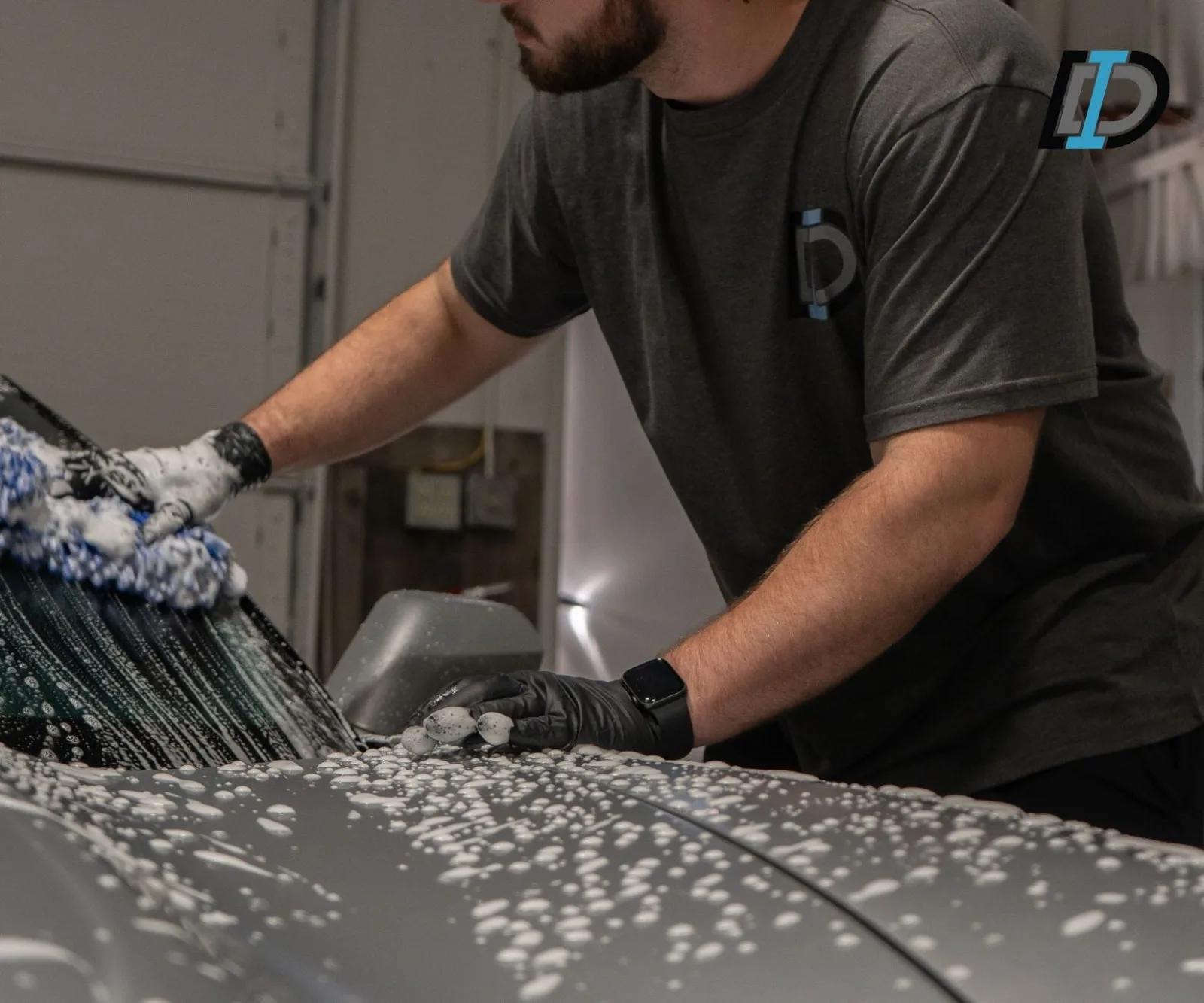
Detailers begin with a careful wash to remove loose dirt and grit, reducing the risk of scratching the paint during further treatments.
2. Chemical Decontamination
Specialized iron removers and tar-removal products dissolve stubborn contaminants. Using the correct products and application methods helps prevent damage to the clear coat.
3. Mechanical Decontamination
For bonded residue, detailers may use a lubricated clay bar or synthetic clay mitt to lift remaining particles. Gentle pressure and proper technique help minimize surface marring.
Why Clear Coat Protection Matters
The clear coat is the transparent outer layer that protects automotive paint from environmental exposure and provides its gloss. Aggressive scrubbing, excessive clay pressure, and unnecessary abrasive polishing can compromise its appearance.
Professional detailers distinguish between removing contamination and correcting paint defects. Polishing is not automatically necessary after every decontamination treatment. When needed, controlled paint correction can address certain imperfections while minimizing material removal.
Choosing the Right Detailing Approach
Vehicle condition influences the appropriate cleaning process, treatment time, and overall detailing cost. Factors such as contamination severity, paint condition, vehicle size, and previous maintenance can affect the work involved.
For additional insight, read Why Does Vehicle Condition Affect The Price Of Professional Car Detailing to understand how existing surface conditions influence service requirements and pricing.
A Cleaner Finish Starts With Careful Techniques
Done In Detail serves drivers in Cumming, GA, who want informed attention to their vehicle's appearance. Rather than relying on aggressive cleaning, proper detailing combines inspection, suitable products, and controlled techniques.
Ultimately, safe contaminant removal depends on understanding the surface before treating it. Regular washing and timely professional attention help preserve paint clarity and reduce avoidable wear. Drivers can explore Done In Detail's website to learn more about available detailing services and determine an appropriate approach for their vehicle.
Featured

Contact Done In Detail - Detailing, Ceramic Coating, PPF
Thanks, your message was sent to Done In Detail - Detailing, Ceramic Coating, PPF.