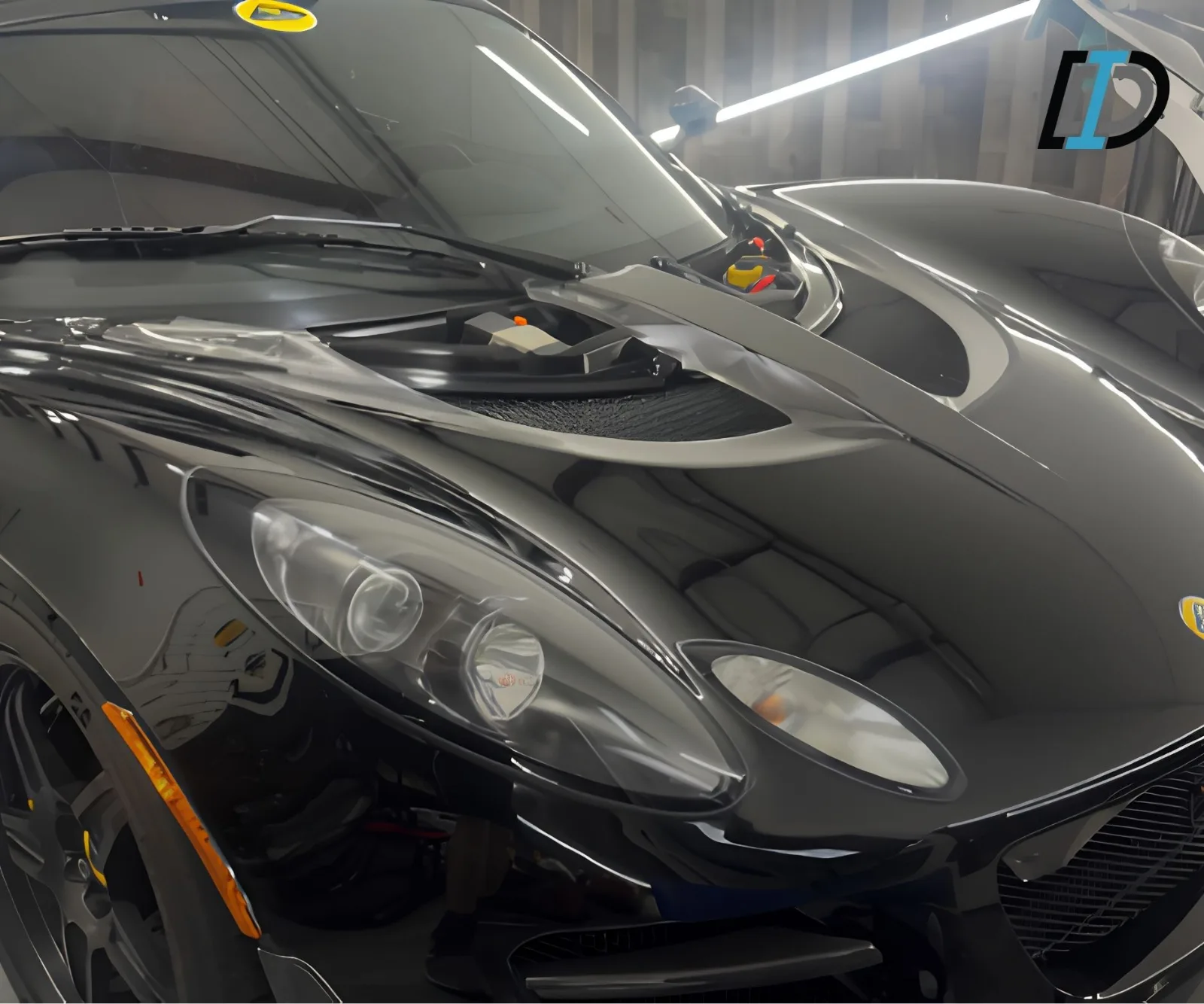
Paint protection film (PPF) can usually be removed without damaging original automotive paint when the film is in suitable condition and removal is performed carefully. The outcome depends on the film’s age, adhesive condition, paint quality, and whether the vehicle has undergone previous refinishing. Understanding how PPF works and how it interacts with the painted surface helps drivers make informed decisions about removal.
Why Paint Protection Film Removal Requires Care
Paint protection film is a transparent polyurethane film that helps protect painted panels from stone chips, road debris, and minor surface abrasions. Its flexible construction helps absorb and disperse impact energy before it reaches the paint.
For a closer look at this protective function, read How Does Paint Protection Film Absorb Rock Impacts Without Damaging The Paint Beneath It.
Over time, sunlight, heat, moisture, and road contaminants can affect the film’s appearance and adhesive properties. Drivers around Cumming, Georgia, may notice yellowing, cracking, or lifting edges after years of summer heat and regular highway driving.
Factory paint is generally durable, but previously repaired panels, damaged clear coats, and poorly bonded finishes may be more vulnerable during removal.
How Professionals Remove PPF Safely
Inspect the Film and Paint
Check for cracks, brittleness, peeling, existing paint damage, and previous repairs before removal.
Use Controlled Heat
Apply moderate heat to soften the adhesive. Excessive heat can damage the paint or nearby components.
Peel Slowly and Consistently
Pull the film gradually with steady pressure. Avoid forcing sections that tear or resist.
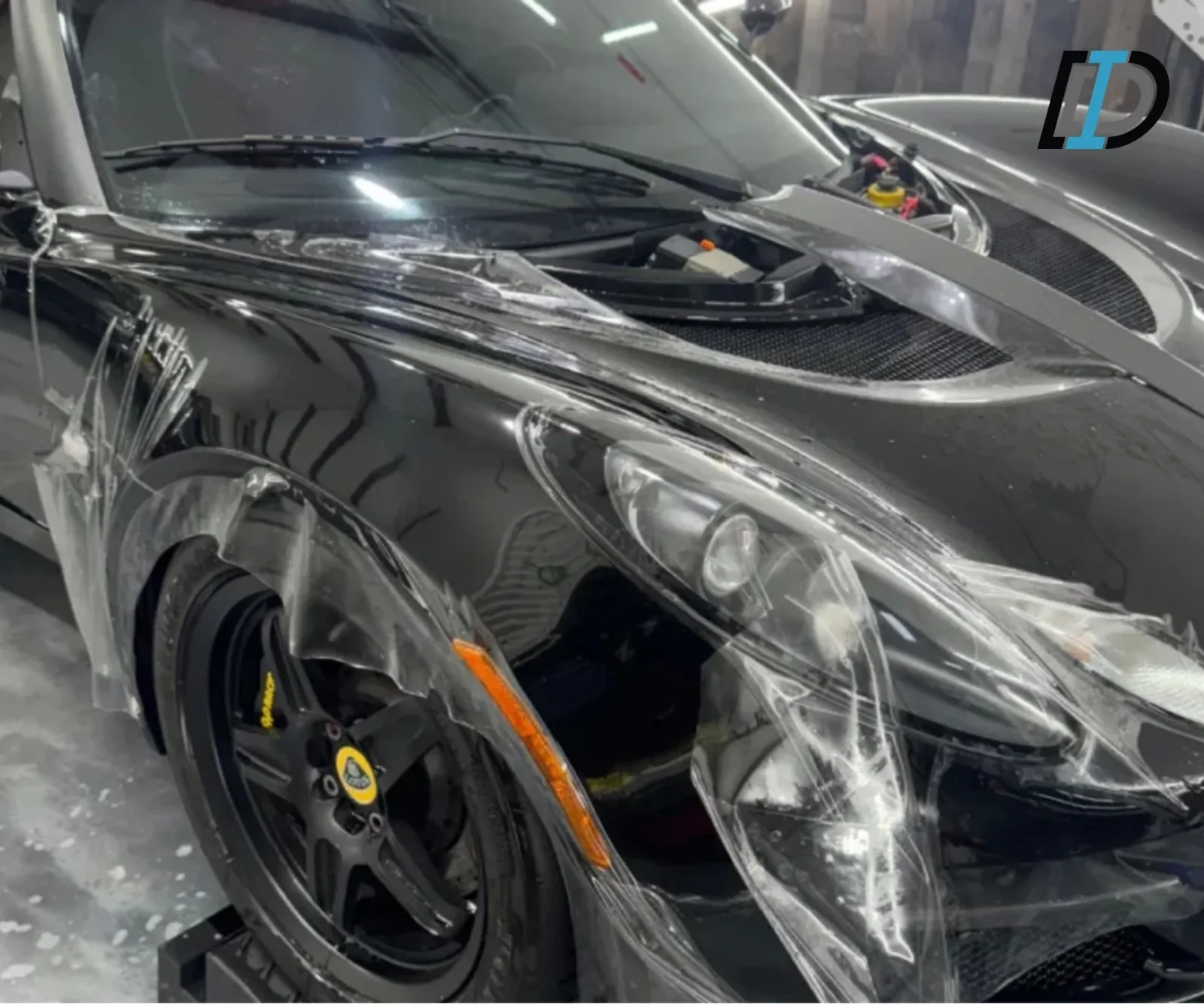
Remove Adhesive Residue Carefully
Use automotive-safe adhesive removers and soft tools. Avoid harsh chemicals and aggressive scraping that could damage the clear coat.
What Increases the Risk of Paint Damage?
Old, brittle film may break into small pieces, making removal more difficult. Excessive pulling, improper heating, and harsh solvents can also create problems. Paint that is already peeling or was improperly refinished may lift with the film.
Even careful professional removal cannot guarantee a damage-free result when the underlying finish is compromised. An inspection helps set realistic expectations before work begins.
When Should Drivers Seek Professional Help?
Consider professional assistance when PPF is severely cracked, has remained installed for many years, or covers panels with an uncertain paint history. Avoid forcing stubborn sections simply to finish faster.
Done In Detail serves drivers in Cumming, Georgia, who want informed automotive appearance care. Discussing the film’s condition and the vehicle’s paint history can help determine suitable next steps.
Protect the Finish After Removal
After removal, inspect the paint for discoloration, scratches, residue, or differences between protected and exposed areas. Gentle washing and appropriate paint care can prepare the surface for another protection option.
Ultimately, PPF can often be removed safely with patience and controlled technique. Cumming drivers considering removal can visit Done In Detail to discuss their vehicle’s condition and explore appropriate options.
Featured

Contact Done In Detail - Detailing, Ceramic Coating, PPF
Thanks, your message was sent to Done In Detail - Detailing, Ceramic Coating, PPF.