
Windshield damage often begins with something drivers barely notice: a small stone, a temperature change, or repeated exposure to road debris. Recognizing risks before damage develops helps vehicle owners make informed decisions. Windshield protection film adds a transparent layer designed to reduce the impact of everyday hazards, making it worth considering for drivers who want to preserve their glass.
1. Consider Where and How You Drive
Your daily driving environment is a strong indicator of whether windshield protection film makes sense for your vehicle.
In Cumming, GA, motorists travel along GA 400, commercial corridors, and developing roads where construction can introduce loose gravel and debris. Highway driving also increases exposure to stones kicked up by vehicles ahead.
Drivers who commute frequently, travel behind trucks, or use gravel roads face more opportunities for windshield impacts. Careful driving cannot eliminate every hazard. Frequent highway and construction-zone travel increases exposure.
Pay Attention to Driving Patterns
Consider how often your vehicle encounters:
Highway traffic and fast-moving vehicles
Construction zones and resurfacing projects
Gravel, loose pavement, or unpaved roads
Frequent long-distance commuting
Repeated exposure may justify protection before the first chip appears.
2. Evaluate Your Vehicle's Existing Glass
A windshield does not need visible damage to be vulnerable. However, existing chips, cracks, and deep scratches require attention before protective film is considered.
Small chips can spread when temperature changes, road vibrations, or additional impacts stress the glass. Professional inspection can determine whether the windshield is suitable for film installation or needs repair or replacement first.
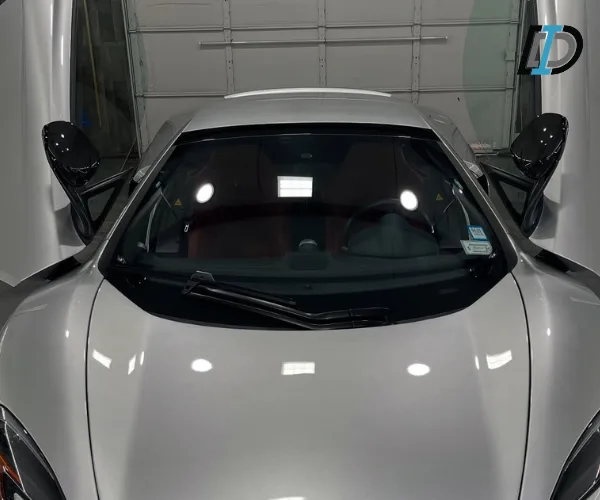
Watch for Early Warning Signs
Look for minor pitting, impact marks, surface scratches, and previous repairs. These conditions can affect visibility and indicate recurring road hazards. Film is preventive protection, not a substitute for repairing compromised glass.
3. Account for Seasonal and Environmental Exposure
North Georgia experiences hot summers, heavy rainfall, and occasional winter temperature fluctuations. Heat, sudden cooling from air conditioning, and changing weather can place additional stress on damaged glass.
Outdoor parking, storms, and airborne debris can further increase everyday wear. These factors do not guarantee damage, but make preventive maintenance worth evaluating.
4. Understand What Windshield Film Can and Cannot Do
Quality film is designed to absorb and disperse some impact energy, reducing the likelihood of certain chips and surface damage. It does not make glass indestructible or guarantee protection against every stone strike.
Its effectiveness depends on product suitability, glass condition, installation quality, and maintenance.
5. Get Professional Guidance Before Damage Happens
Done In Detail serves vehicle owners in Cumming, GA, who want informed decisions about automotive protection. Evaluating driving habits, windshield condition, and film suitability helps determine whether installation is appropriate.
For additional insight, read Why Does Windshield Protection Film Need Professional Installation for Proper Adhesion and Visibility to understand why careful application matters.
Ultimately, consider protection before a costly impact occurs. Assess your driving conditions, inspect your glass regularly, and consult Done In Detail about whether windshield protection film fits your vehicle's needs.
Featured

Contact Done In Detail - Detailing, Ceramic Coating, PPF
Thanks, your message was sent to Done In Detail - Detailing, Ceramic Coating, PPF.