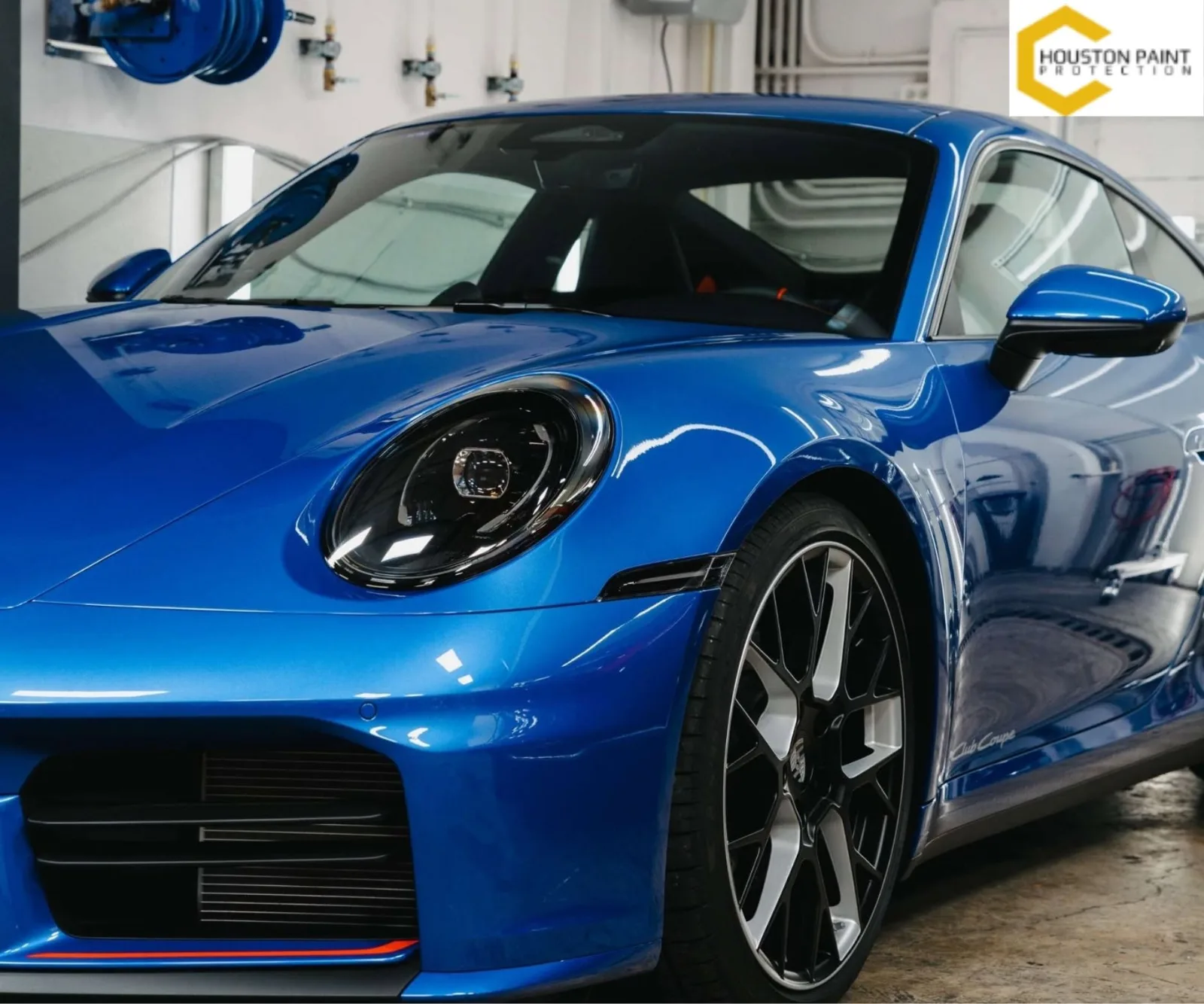
Ceramic coating helps protect automotive paint from certain contaminants and makes routine cleaning easier, but it does not make a vehicle scratchproof. Automatic car wash brushes, abrasive washing tools, and improper cleaning methods can gradually affect the coating’s surface and the finish underneath. For drivers in Bellaire, TX, understanding these risks is essential to keeping a vehicle clean and glossy despite heat, humidity, and everyday road grime.
How Automatic Car Wash Brushes Affect Ceramic Coating
Friction and Surface Contamination
Many automatic car washes use rotating brushes or cloth strips that contact a vehicle’s exterior. When these materials collect dirt, sand, or grit from previous vehicles, they can drag abrasive particles across the paint.
Ceramic coating provides a protective layer, but repeated friction may contribute to fine scratches, surface marring, and reduced clarity. Residue can also interfere with water beading, making the finish appear less responsive to water.
Touchless car washes eliminate direct brush contact, reducing this particular risk. However, cleaning chemicals and improper equipment use may still affect maintenance requirements.
Why Improper Hand Washing Also Matters
Brushes are not the only source of potential damage. Using a dirty sponge, reusing contaminated wash water, or wiping away dry dust can introduce abrasive particles directly onto the coated surface.
Common Washing Mistakes
Using a dirty wash mitt: Trapped grit can scratch paint during repeated passes.
Washing under intense sunlight: Soap and water may dry quickly, leaving mineral deposits.
Using unsuitable cleaners: Harsh household products may interfere with maintenance products or leave residue.
Skipping pre-rinsing: Loose dirt increases friction during contact washing.
A safer routine begins with thoroughly rinsing the vehicle, applying automotive-specific shampoo, and using clean microfiber wash media. Wash gently, rinse frequently, and dry with a clean microfiber towel.
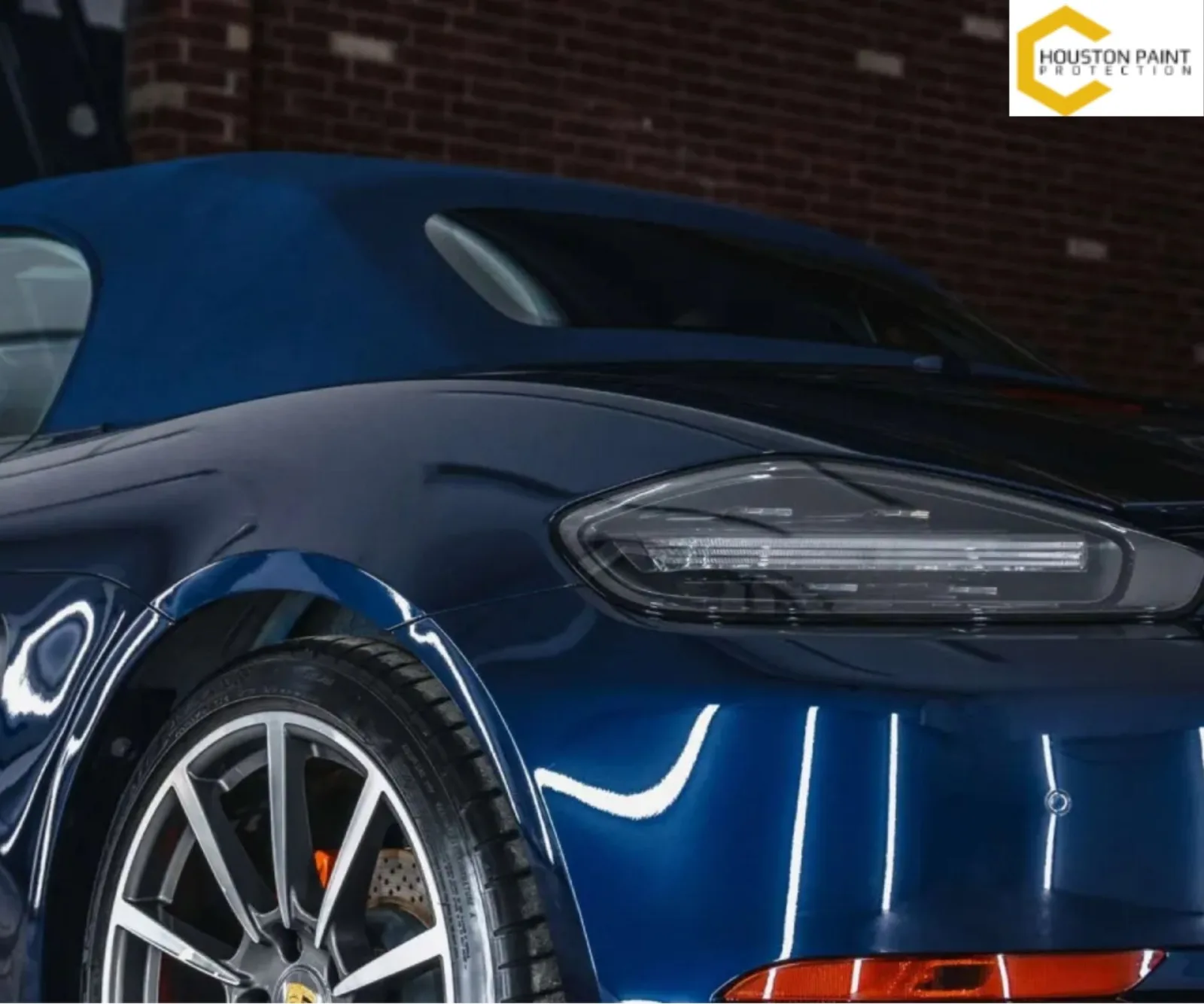
Can Nearby Painting Projects Contaminate Ceramic Coating?
Washing habits are only one consideration. Vehicles parked near construction, home renovations, or exterior painting projects may encounter airborne paint droplets and overspray. These particles can settle on ceramic-coated surfaces and create rough patches or visible specks.
For additional guidance, read Can Ceramic Coating Become Contaminated By Overspray From Nearby Painting Projects to understand how airborne paint particles affect coated finishes and why careful removal matters. Avoid scraping or aggressively rubbing suspected overspray, since these actions can damage the coating or clear coat.
Caring for Coated Vehicles in Bellaire, TX
Houston-area driving exposes vehicles to strong sunlight, sudden rain, road dust, and humid conditions. Rain does not necessarily clean a coated vehicle; droplets can carry contaminants and leave mineral spots as they evaporate.
Follow the coating manufacturer's maintenance instructions and address heavy contamination promptly. Reduced water beading may indicate surface buildup rather than coating failure.
Professional Guidance and Practical Takeaways
Houston Paint Protection offers Bellaire-area drivers a local resource for learning about automotive paint protection and appropriate vehicle care.
Ultimately, ceramic coating performs best when paired with gentle washing, clean tools, and proper maintenance. Avoiding contaminated brushes and addressing overspray carefully helps preserve a vehicle's appearance and maintain a clearer finish.
Featured
Contact Houston Paint Protection
Thanks, your message was sent to Houston Paint Protection.