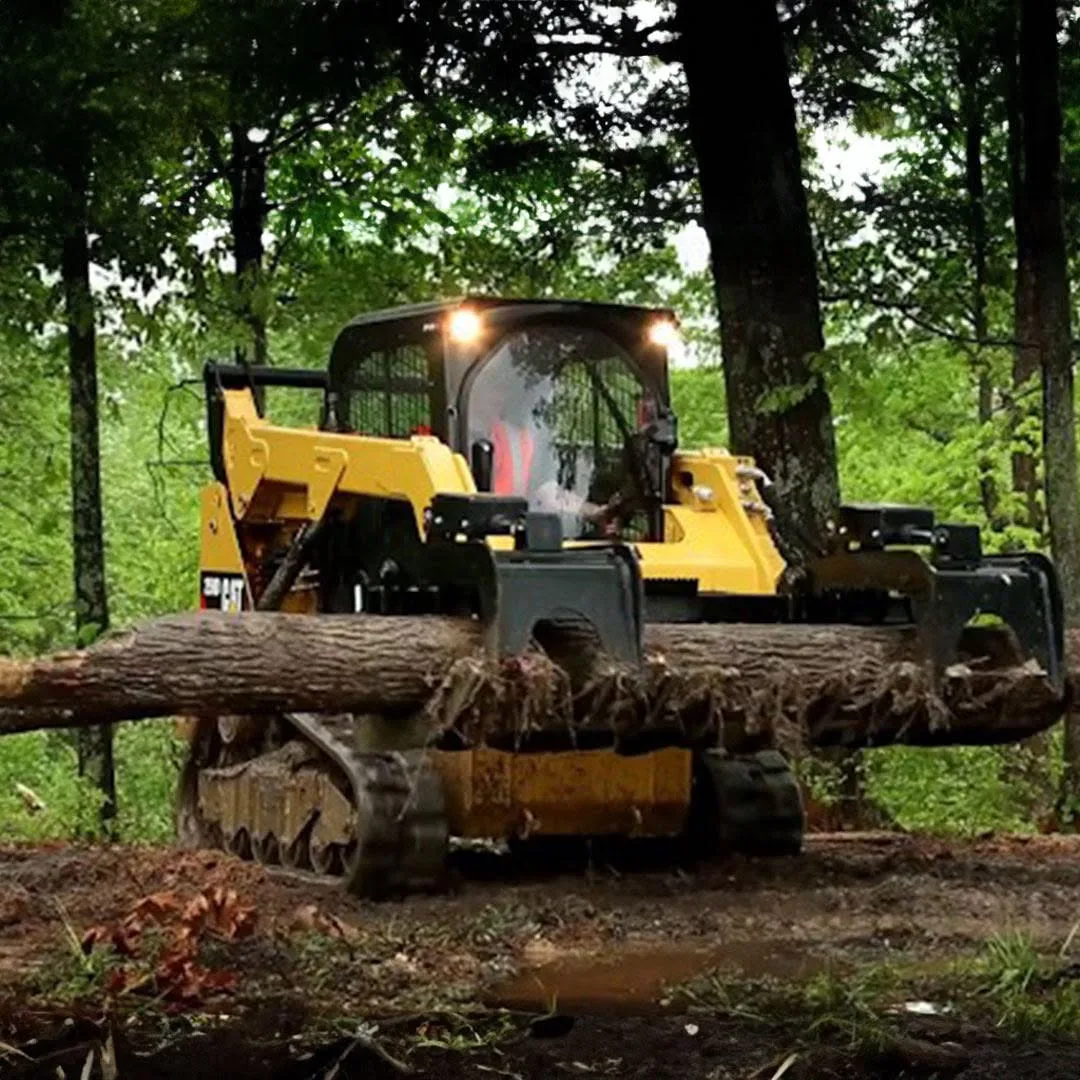
Successful construction begins long before the first foundation is poured. Proper land clearing creates a safer, more manageable building site by removing unwanted vegetation, debris, and obstacles while preparing the ground for the next stages of development. For property owners planning projects in Murfreesboro, Tennessee, careful preparation can help prevent avoidable delays, drainage problems, and costly site complications.
What Makes Land Clearing an Important First Step?
Unprepared land can conceal problems that affect construction equipment, workers, and future structures. Dense brush, fallen trees, roots, rocks, and buried debris can interfere with excavation and grading. Clearing these obstacles gives contractors better access to the property and a clearer understanding of existing ground conditions.
Improving Site Access and Safety
Overgrown vegetation can restrict equipment movement and hide uneven terrain, stumps, and other hazards. Removing these obstructions creates more accessible working areas for excavators, loaders, and other heavy machinery.
A properly cleared site also makes it easier to establish equipment routes, material storage areas, and designated work zones. These details matter when multiple construction activities must happen efficiently without unnecessary interference.
How Local Ground Conditions Affect Preparation
Murfreesboro's development landscape includes wooded parcels, open fields, and properties with varying elevations. Some sites may contain dense vegetation, while others have compacted soil or uneven ground requiring additional preparation.
Middle Tennessee also experiences seasonal rainfall and periods of heavy storms. Poorly planned clearing can expose soil to erosion, particularly on slopes or areas where water naturally collects.
Protecting Drainage and Soil Stability
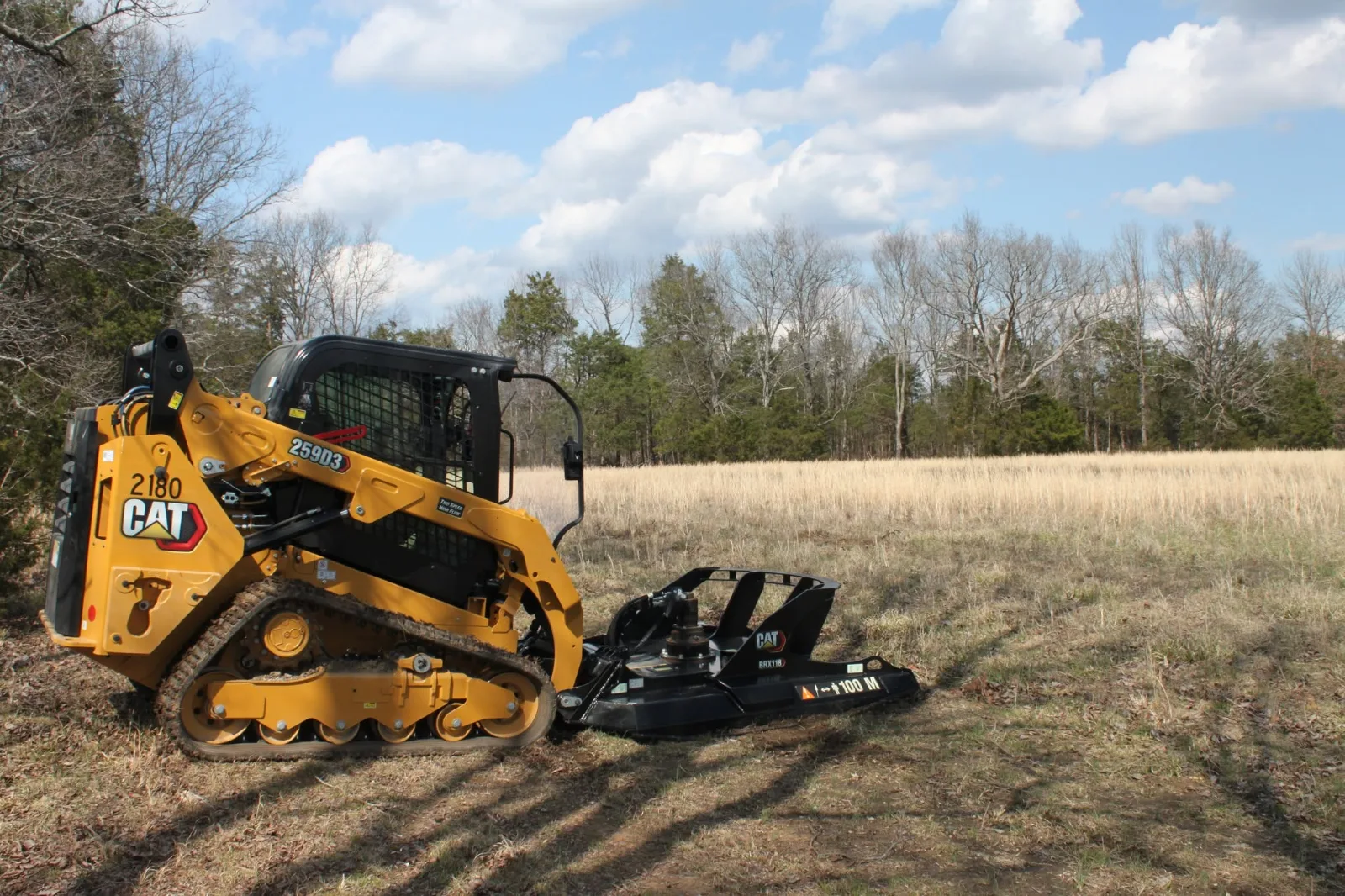
Land clearing should be coordinated with grading and erosion-control planning. Removing vegetation without considering drainage can increase runoff and carry loose sediment toward neighboring properties, roadways, and waterways.
Before work begins, property owners should identify drainage paths, assess slopes, and determine which trees or vegetation should remain. Temporary erosion-control measures may be necessary while construction progresses.
What Happens After the Vegetation Is Removed?
Clearing is only one part of site preparation. Depending on the property's condition and project requirements, additional work may include stump removal, debris hauling, rough grading, and excavation.
Each step serves a different purpose. Removing roots and stumps helps prevent obstructions, while grading establishes the intended contours and supports appropriate water movement. A professional site assessment helps determine which services are necessary rather than assuming every property requires the same treatment.
Choosing a Land Clearing Provider
Property owners should discuss project boundaries, access requirements, disposal methods, drainage concerns, and intended land use before scheduling work. Also confirm applicable permits and environmental restrictions, especially when clearing near wetlands or protected areas.
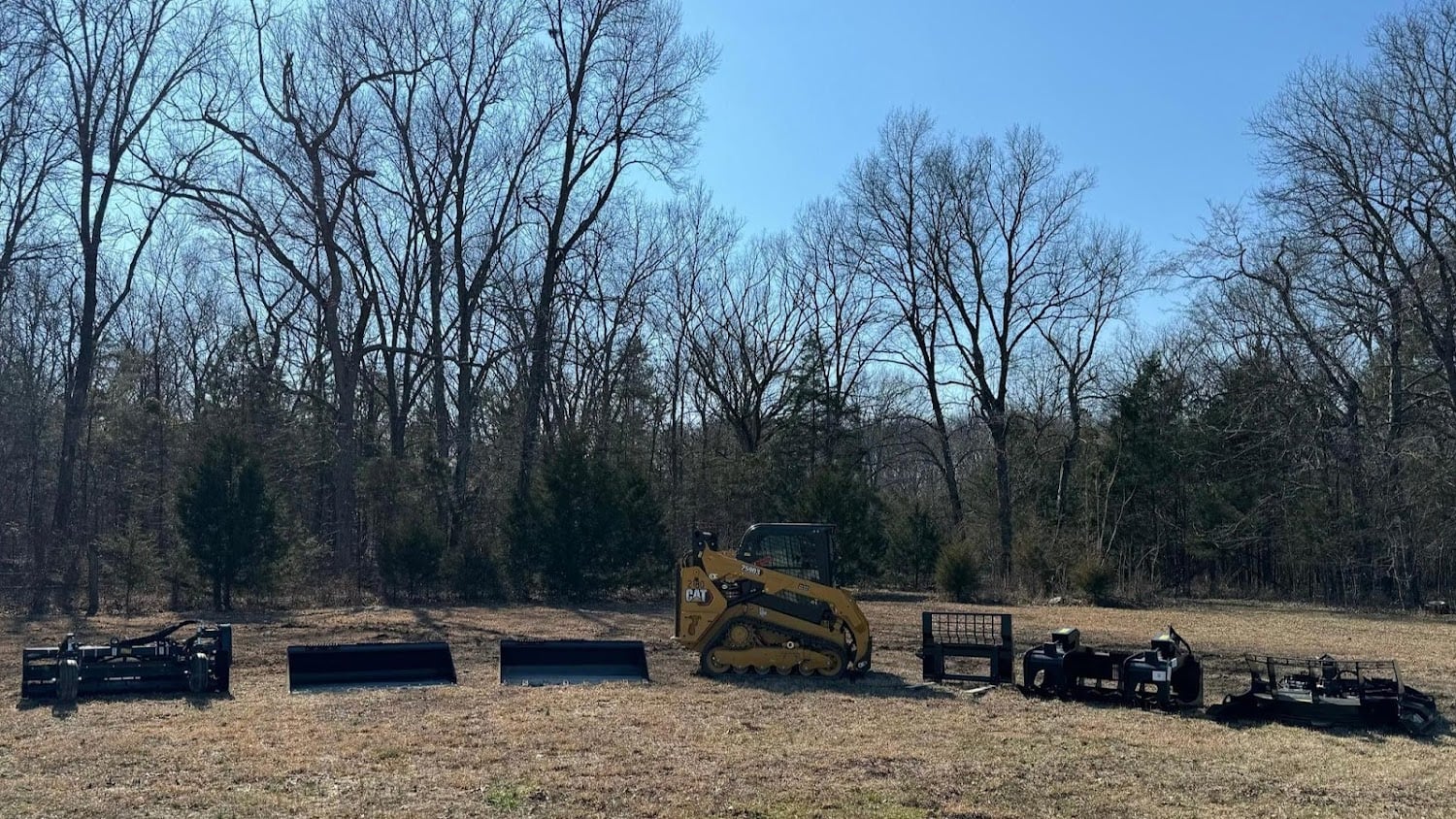
Crossed Arrow Earthworks, LLC provides land clearing services for property owners preparing land for development. Its work can help establish a more accessible starting point for construction, grading, and other earthwork activities.
Prepare the Ground Before Building
Proper land clearing supports safer equipment access, better site organization, and more effective construction planning. For land clearing in Murfreesboro, TN, thoughtful preparation can make a meaningful difference in how smoothly a project moves forward. Visit Crossed Arrow Earthworks to explore its land clearing services and discuss your property's preparation needs.
Featured
Contact Crossed Arrow Earthworks, LLC
Thanks, your message was sent to Crossed Arrow Earthworks, LLC.