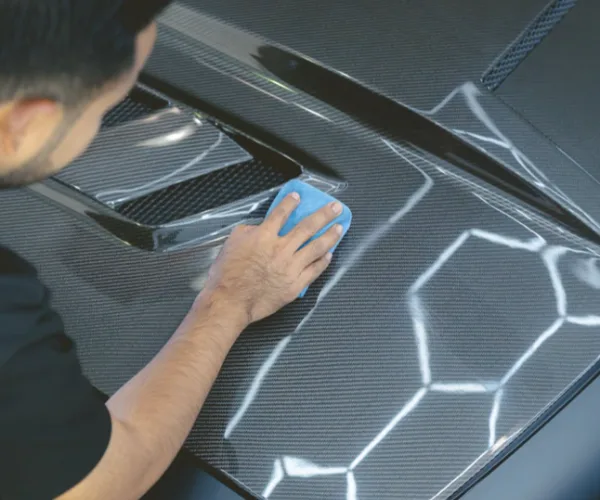
Professional ceramic coating can last several years, depending on the coating formulation, paint preparation, application quality, driving conditions, and maintenance routine. While some coatings are designed for shorter protection periods, professional-grade options can provide protection for multiple years when properly maintained. For drivers in Oceanside, CA, understanding these factors is essential because regular sun exposure, coastal air, road contaminants, and everyday driving can influence how well a vehicle's finish holds up.
What Determines How Long Ceramic Coating Lasts?
Ceramic coating is a liquid protective product that bonds to a vehicle's clear coat, creating a hydrophobic surface that helps repel water and makes routine cleaning easier. Unlike traditional car wax, which generally requires more frequent reapplication, ceramic coatings are formulated to provide more durable surface protection.
However, not every coating offers the same lifespan. Product formulation, chemical composition, application conditions, and maintenance requirements all influence its performance.
Coating Quality and Formulation
Some ceramic coatings are designed for approximately one year of protection, while professional-grade formulations may be rated for several years. These differences depend on the product and its application requirements.
A coating's advertised lifespan should be treated as an estimate rather than a guaranteed expiration date. Actual performance depends on how the vehicle is used and cared for.
Why Preparation and Application Matter
A coating cannot hide scratches or correct neglected paint. Before application, the surface needs washing and decontamination to remove bonded residue. Paint correction may reduce swirl marks and light defects. Contamination or polishing oils left behind can interfere with bonding.
Curing matters. The product needs suitable conditions and time to set according to its instructions. Avoid water exposure or washing during the initial curing period if the installer advises against it.

How Oceanside Driving Conditions Affect Durability
Coastal air can carry salt onto exterior surfaces, while mineral-rich water may leave deposits when droplets dry in the sun. Bird droppings, tree sap, and insect residue can also stain paint if left sitting.
Daily highway use adds dust, grit, and road film. Ceramic coating makes many contaminants easier to remove, but it cannot prevent rock chips, deep scratches, or every chemical stain. Paint protection film is more appropriate for reducing stone-impact damage on vulnerable panels.
For a deeper understanding of these protective benefits, read How Does Ceramic Coating Protect Car Paint from UV Rays and Environmental Damage, which explores how ceramic coatings help defend vehicle finishes against sunlight and environmental exposure.
Habits That Help a Coating Last
Wash Carefully and Regularly
Use pH-neutral automotive shampoo and clean microfiber mitts. Avoid abrasive brushes and harsh household detergents. Dry with a soft towel to limit water spots.
Monitor Water Behavior
Water beading and sheeting can indicate how the coating is performing, although these characteristics alone do not confirm that protection has completely disappeared. Dirt buildup can temporarily reduce water repellency, so proper washing remains important.
Choosing Professional Care in the Area
Zippy Cup Auto Detail serves Oceanside drivers with professional detailing and ceramic coating services. Proper surface preparation, careful application, curing, and final inspection help support consistent coating performance.
Featured
Zippy Cup Auto Detail San Diego - Paint Protection Film, Ceramic Coating, & Window Tint
El Cajon, CA
5.0 161 on Google
El Cajon, CA
Contact Zippy Cup Auto Detail San Diego - Paint Protection Film, Ceramic Coating, & Window Tint
Thanks, your message was sent to Zippy Cup Auto Detail San Diego - Paint Protection Film, Ceramic Coating, & Window Tint.