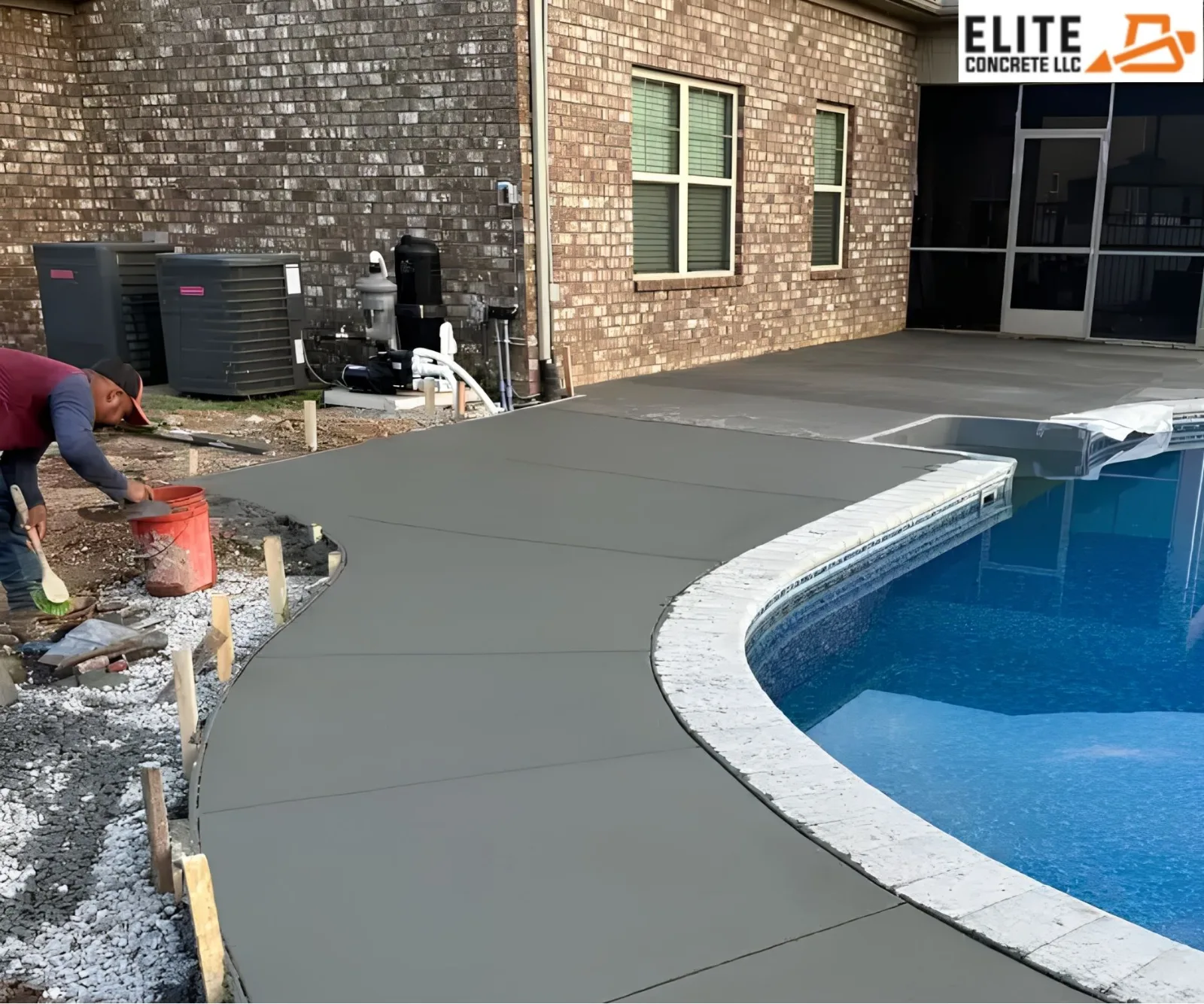
Choosing a concrete contractor involves more than comparing estimates. Evaluate site preparation, materials, drainage, workmanship, communication, and relevant experience. A driveway, patio, walkway, and slab have different demands. Consider how each surface will be used daily.
Start With the Scope, Not Just the Price
Before requesting bids, define the project’s purpose, dimensions, finish, access, and intended use. A driveway carrying daily traffic needs a different approach from a decorative patio. Ask each contractor to quote the same scope.
A detailed proposal should identify excavation, base preparation, reinforcement where appropriate, concrete placement, finishing, control joints, cleanup, and exclusions. If one estimate is much lower, check whether it omits steps or assumes less preparation, a thinner slab, or a simpler finish.
Ask How the Site Will Be Prepared
Base, drainage, and ground conditions
Concrete performance depends on what lies beneath it. Ask how the contractor will compact the subgrade, prepare the aggregate base, and manage runoff. Poor drainage can contribute to erosion, settlement, cracking, or slab movement.
In La Vergne, rainfall, changing temperatures, and wet ground can affect outdoor projects. A driveway should direct water away from the home and avoid low spots. Ask how slopes and transitions will be established before the pour.
Mix, thickness, and joints
The mix and slab thickness should suit the intended loading and site conditions. Ask what specifications are proposed and why. Reinforcement may help manage cracking, but cannot eliminate cracks. Properly placed control joints encourage cracks to occur in planned locations.
Review Workmanship and Communication
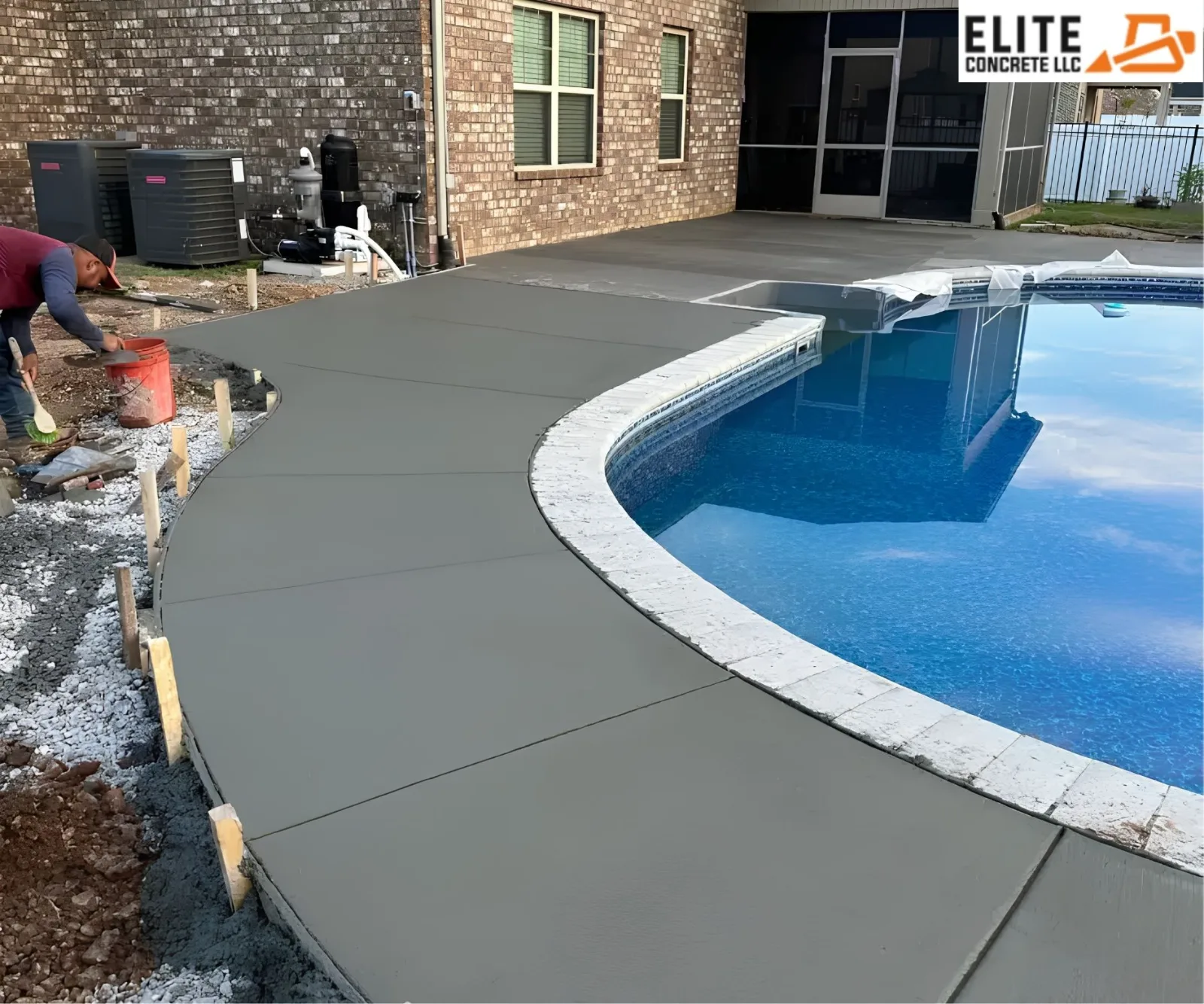
Look at completed projects resembling yours. If possible, view a driveway, patio, or walkway in person. Notice whether edges are neat, surfaces are consistent, and water drains properly. Ask for references and how unexpected site conditions could affect the schedule or price.
Confirm who handles permits, scheduling, site access, cleanup, and updates. Ask when the area can be walked or driven on; curing time and weather influence readiness.
Compare Contractors With Better Questions
Ask prospective concrete contractors:
What preparation is included?
How will drainage and finished elevations be checked?
What mix, thickness, and reinforcement are proposed?
Where will control joints be placed?
What could change the price or schedule?
What care is recommended after installation?
A Local Conversation Before You Commit
Elite Concrete is a local point of contact for homeowners considering residential concrete work in La Vergne. Discussing the property, intended use, finish, and site conditions can clarify what a suitable plan should include.
For related insight, read “Why Does Concrete Sometimes Develop Uneven Surfaces After Installation” to understand how preparation, ground movement, and drainage can affect a finished surface.
A careful comparison looks beyond the final number. Choose a contractor who explains the work, addresses preparation and drainage, and provides a written scope you understand. That groundwork helps set realistic expectations before the project begins.
Featured

Contact Elite Concrete
Thanks, your message was sent to Elite Concrete.