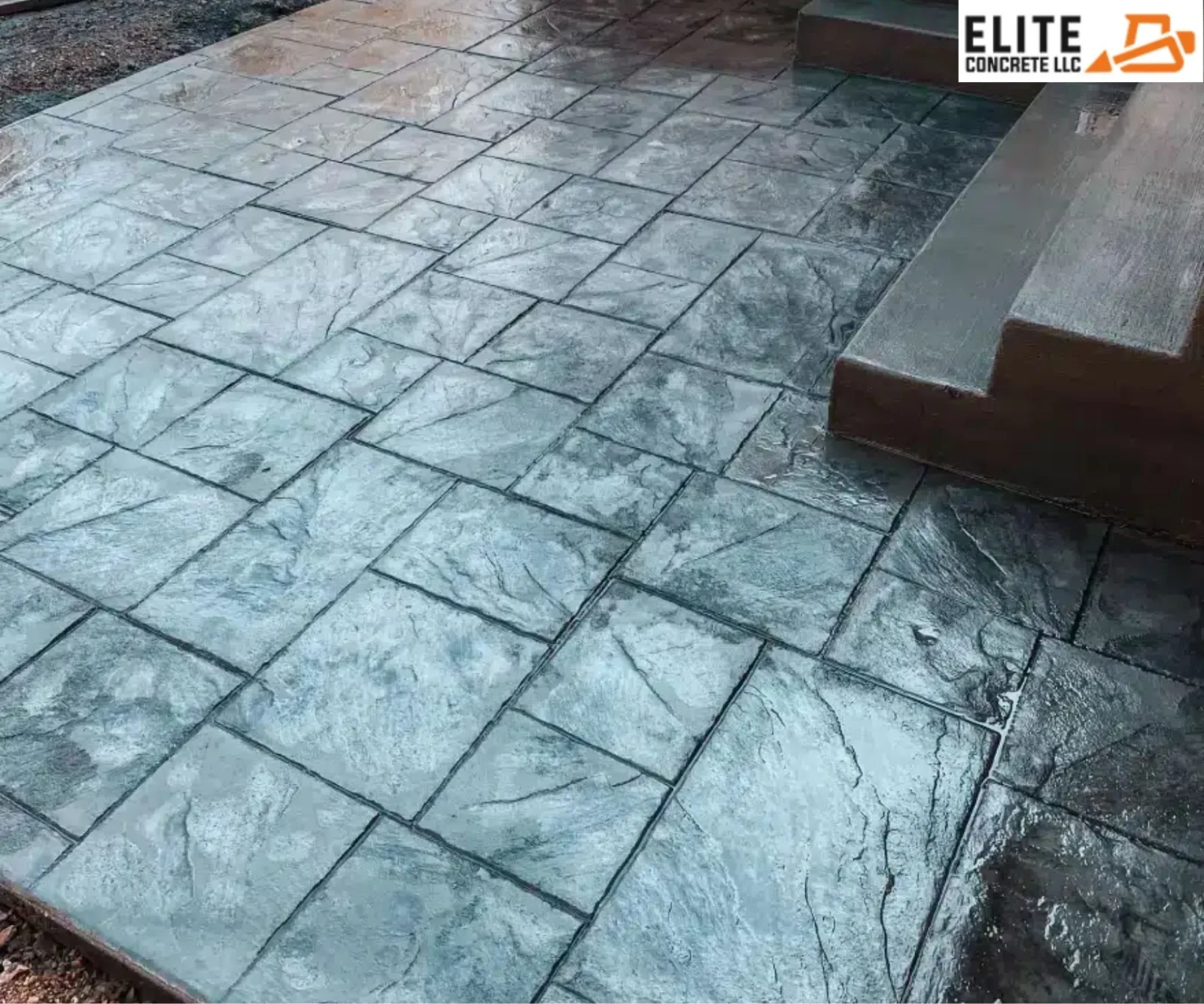
Stamped concrete generally benefits from resealing every two to three years, although the ideal schedule depends on the sealer, surface condition, traffic, and exposure to weather. Regular resealing helps preserve color, reduce moisture absorption, and protect decorative patterns from everyday wear. For homeowners in Murfreesboro, Tennessee, seasonal rainfall, summer heat, and changing temperatures make routine maintenance especially important.
Why Resealing Matters for Stamped Concrete
Stamped concrete combines concrete's durability with decorative textures resembling stone, brick, or slate. However, its appearance and surface protection can gradually decline as the sealer wears away.
Protection Against Moisture and Stains
Rainwater can penetrate inadequately protected concrete, potentially contributing to deterioration over time. Oil, grease, food spills, and organic debris can also leave stains, particularly when allowed to sit.
A suitable sealer helps limit absorption and makes routine cleaning easier. It does not make concrete completely waterproof or eliminate every stain, so prompt cleanup and proper drainage remain important.
Preserving Color and Texture
Sunlight, foot traffic, patio furniture, and repeated cleaning can gradually affect the finish. Resealing helps refresh decorative concrete's appearance while protecting its stamped pattern from ordinary surface wear.
Homeowners evaluating this material should also understand What Are The Pros And Cons Of Stamped Concrete For Residential Properties before choosing it for a driveway, patio, or walkway. Its decorative versatility and relatively seamless surface appeal to many homeowners, but maintenance requirements, potential cracking, and periodic resealing deserve consideration.
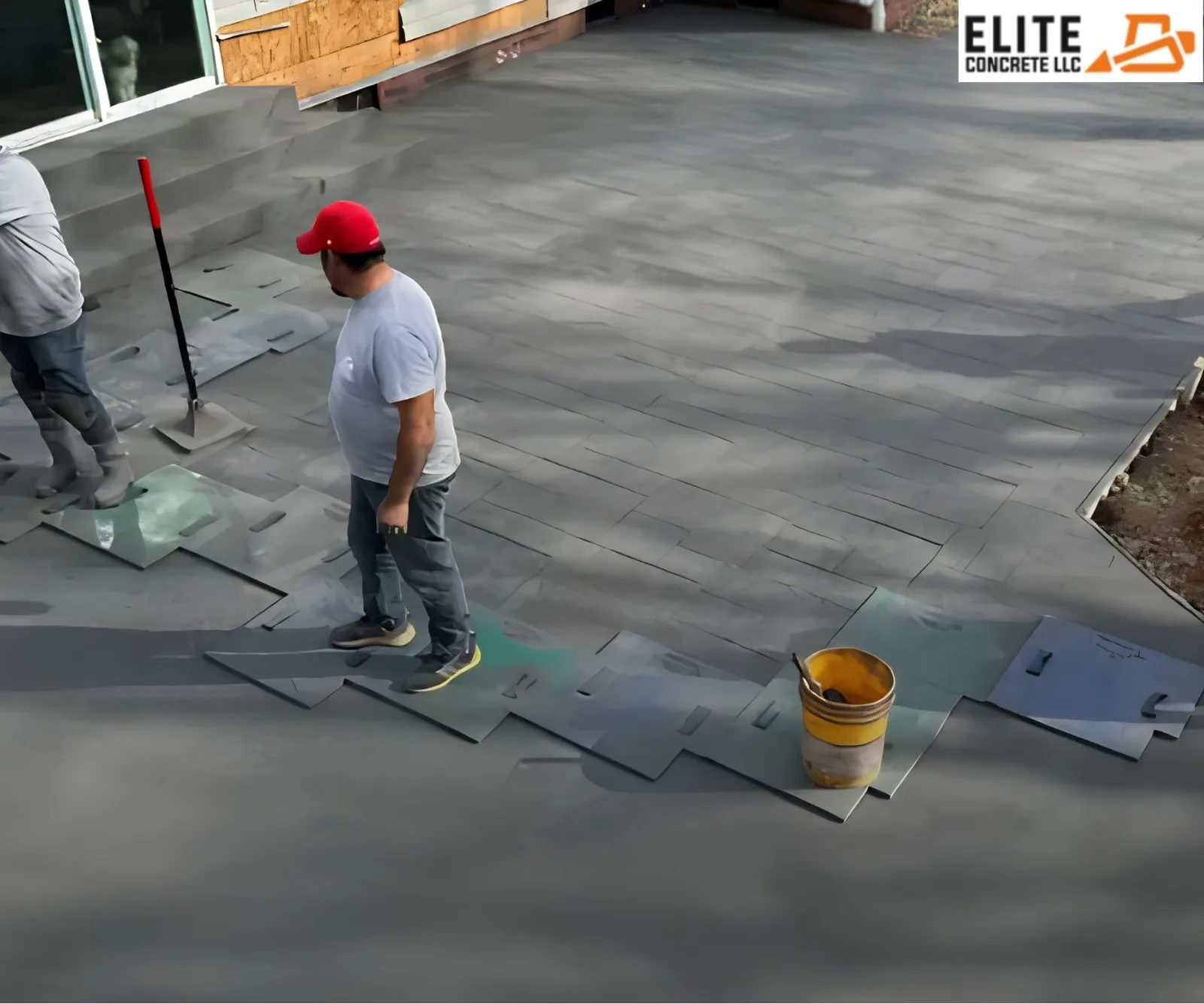
Signs Your Concrete Needs Resealing
Rather than relying exclusively on a calendar, inspect the surface periodically.
Fading or dullness: Decorative colors may appear less vibrant than before.
Reduced water resistance: Water no longer beads as it did when the sealer was in good condition.
Visible wear: Frequently used driveways and walkways may show uneven protection.
Peeling or flaking: The coating may be failing and require preparation before another application.
A water-beading check offers a useful clue, but it is not conclusive. Surface porosity, previous treatments, and sealer type can influence the result.
Choosing the Right Maintenance Schedule
Consider Weather and Traffic
Murfreesboro's humid summers and periodic heavy rainfall expose outdoor concrete to repeated moisture. Driveways also experience vehicle weight, tire friction, and occasional automotive fluid spills, while patios encounter furniture movement and food stains.
Heavily used surfaces may need attention sooner than sheltered areas. Some sealers require more frequent renewal, while others last longer under favorable conditions. Follow the manufacturer's recommendations.
Prepare Before Applying Sealer
Begin with thorough cleaning and sufficient drying. Applying sealer over dirt, trapped moisture, incompatible products, or a failing finish can cause cloudiness, peeling, or uneven appearance. Existing coatings may require specialized preparation.
Avoid application during unsuitable temperatures or when rain threatens within the specified curing period.
Maintaining Decorative Concrete in Murfreesboro
Elite Concrete provides a local resource for homeowners exploring concrete services and outdoor improvements.
Ultimately, inspect stamped concrete regularly and consider resealing every two to three years, adjusting for wear and product requirements. Consistent cleaning, sound drainage, and timely maintenance help preserve its appearance and usability through Tennessee's changing seasons.
Featured
Contact Elite Concrete
Thanks, your message was sent to Elite Concrete.