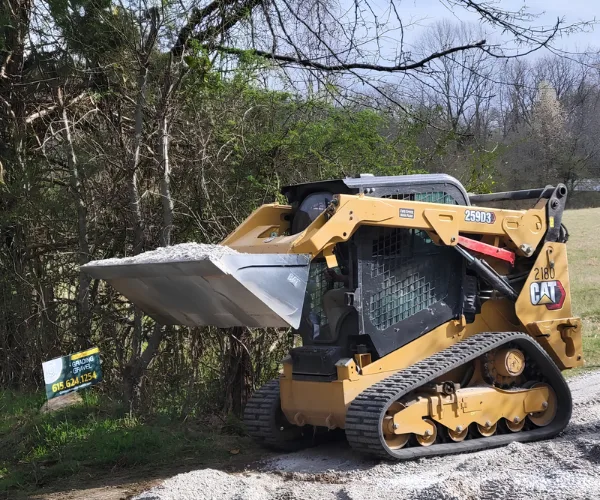
Land grading improves drainage by reshaping the ground so rainwater flows toward drainage areas instead of collecting in low spots or pressing against buildings. A planned slope can reduce standing water, limit erosion, and protect foundations, yards, and driveways.
Why Water Collects
Water follows gravity, but it does not always travel where a property owner wants. Depressions, compacted soil, construction activity, and poorly placed fill can interrupt runoff. After a storm, these areas may become muddy patches or persistent puddles. Water beside a foundation can seep into vulnerable spaces, while fast runoff may carry away topsoil.
Driveways need attention too: standing water can soften the base beneath gravel, create ruts, and make access less dependable.
How Grading Guides Runoff
Creating a Useful Slope
Grading adjusts elevations to create a gentle path for surface water. Around a home, the finished ground generally needs to slope away from the foundation and direct runoff toward a suitable outlet. The goal is not to make every area flat. A level surface can hold water; effective grading creates contours that move it safely.
Correcting High and Low Areas
A project may involve cutting soil from elevated areas and using suitable material to build up low sections. The ground is shaped and, where appropriate, compacted for stability. Correcting a shallow depression can prevent a recurring puddle. But filling a low area without planning where its water will go may shift the problem elsewhere.
Protecting Soil and Improvements
When runoff is directed appropriately, it is less likely to carve channels through exposed soil. This can help preserve landscaping, gravel surfaces, and construction areas. Grading is not a substitute for every drainage measure. Some properties also need swales, culverts, catch basins, or other systems suited to site conditions.
Signs Your Property Needs Attention
Watch for puddles that remain after rain, muddy ground near a foundation, water crossing a driveway, or gravel that repeatedly washes away. Notice where runoff enters and exits during a storm. These clues can distinguish a low spot from an interrupted drainage path.
Avoid directing downspouts onto a steep, bare slope. Keep drainage outlets clear, and seek guidance before changing grades near property lines, septic areas, utilities, or roads. Local requirements may apply when substantial earth is moved, or drainage patterns change.
A Local Approach in Woodbury
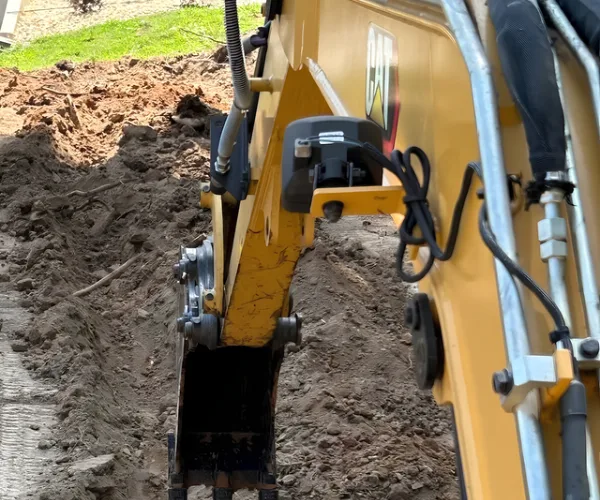
Crossed Arrow Earthworks, LLC provides land grading and leveling in Woodbury, including site preparation and finish grading. Its published process describes evaluating contours and elevations, adjusting high and low areas, compacting soil, and checking the finished slope. These steps connect a site’s shape with its drainage needs rather than treating leveling as cosmetic work.
The Takeaway
Good drainage begins with understanding the land. Proper grading gives rainwater a planned route, helping reduce pooling, erosion, and damage around structures and driveways. If water repeatedly collects on your Woodbury property, explore land grading services from Crossed Arrow Earthworks, LLC at crossedarrowearthworks.com.
Featured
Contact Crossed Arrow Earthworks, LLC
Thanks, your message was sent to Crossed Arrow Earthworks, LLC.