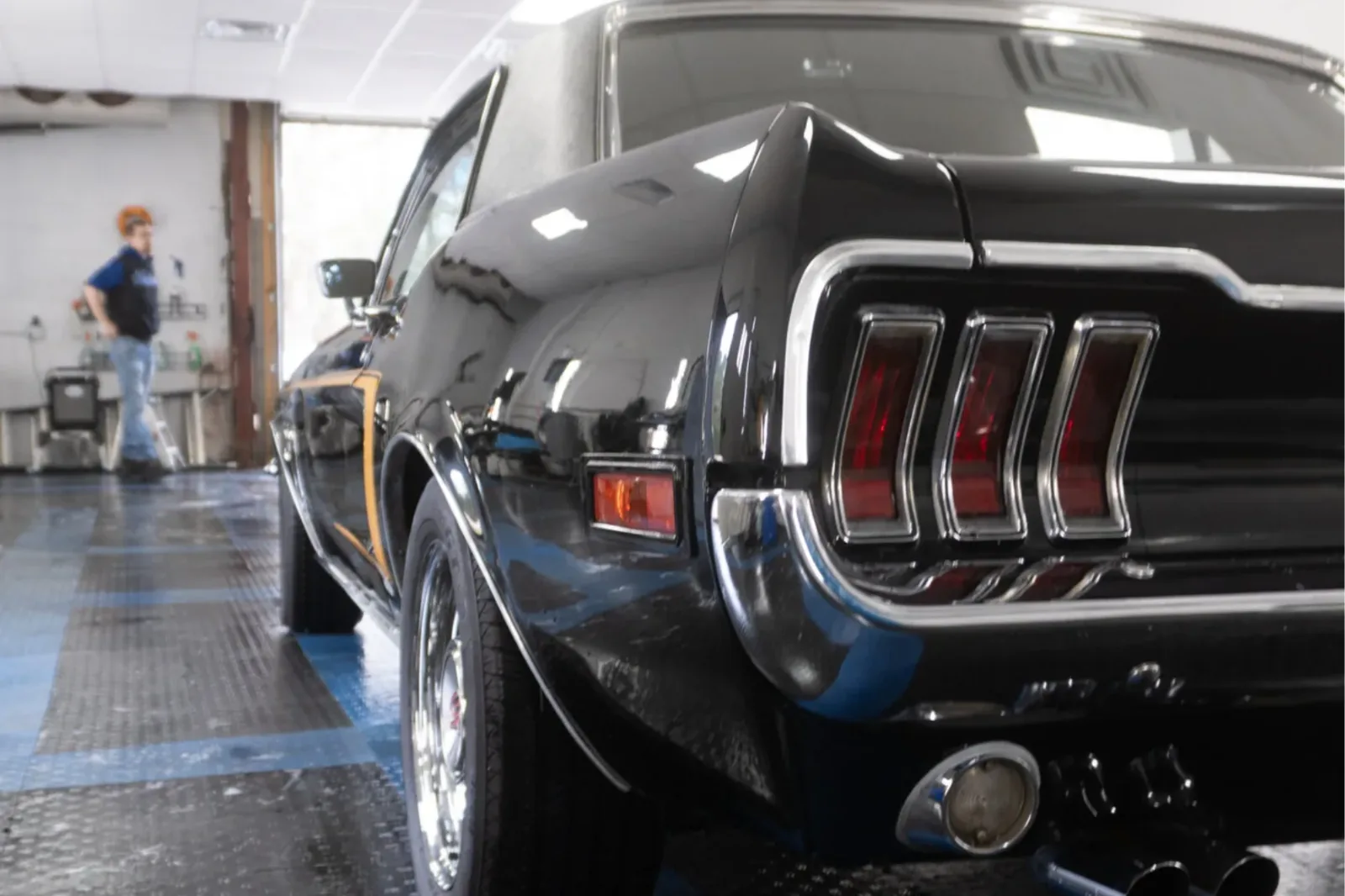
Applying ceramic coating before fresh automotive paint has fully cured can interfere with drying and affect the coating's ability to bond properly. Although newly painted panels may feel dry, solvents and other compounds may still be escaping. Sealing the surface too early can contribute to adhesion problems, uneven curing, or finish defects.
Why Fresh Automotive Paint Needs Time to Cure
Fresh paint passes through several stages before reaching its intended hardness and stability. A surface may become dry enough to handle within hours, but that does not mean the underlying paint and clear coat are fully cured.
During this period, solvents need time to evaporate. Applying ceramic coating too soon may restrict this process, depending on the paint formulation and coating chemistry.
Dry to the Touch Does Not Mean Fully Cured
The curing timeline varies based on several factors:
Paint formulation: Single-stage paints and basecoat-clearcoat systems have different curing requirements.
Application conditions: Temperature, humidity, airflow, and paint thickness influence drying and curing.
Repair methods: Refinished panels may require different waiting periods depending on materials and procedures.
Following the paint manufacturer's instructions is essential before applying protective coatings.
How North Carolina Conditions Can Affect the Process
Drivers in Clayton experience warm, humid summers, seasonal rainfall, and changing temperatures. These conditions can influence how automotive paint dries, particularly when refinishing takes place without controlled temperature and airflow.
Elevated humidity may affect drying conditions, while cooler temperatures can slow certain curing processes. A vehicle recently repaired after a parking-lot scrape should not automatically be treated like one wearing its original factory finish.
Rushing into ceramic coating can create unnecessary complications when paint is still stabilizing.
What Should Vehicle Owners Do Before Coating Fresh Paint?
Before scheduling protection, ask the body shop which paint system was used and whether the finish has completed the manufacturer's recommended curing period.
Practical steps include:
Confirm the required waiting period.
Ask whether additional time for solvent release is necessary.
Have the repaired surface inspected for defects or instability.
Avoid applying waxes, sealants, or coatings before the finish is ready.
Why Can Ceramic Coating Show Uneven Results Around Complex Body Contours?
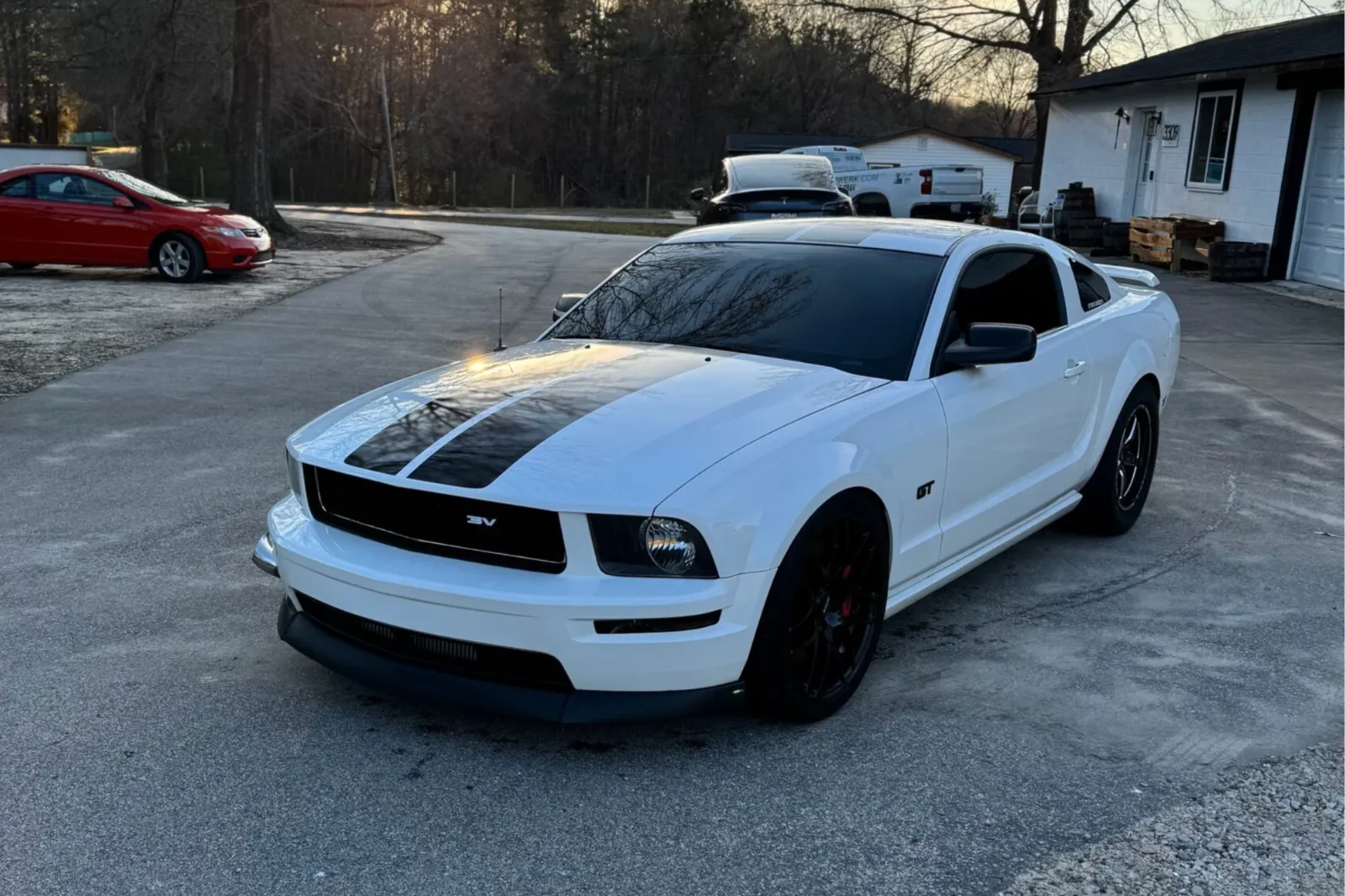
Even after fresh paint has fully cured, a vehicle's shape can affect ceramic coating application. Curved panels, sharp body lines, recessed areas, and tight edges require careful product distribution and inspection. These areas can develop visible differences in coverage when application is inconsistent. Understanding how surface condition and body contours influence coating results helps owners set realistic expectations. Learn more in Why Can Ceramic Coating Show Uneven Results Around Complex Body Contours.
A Careful Approach to Ceramic Coating in Clayton
WashNWerk Detailing and Ceramic Coatings helps Clayton, NC, vehicle owners understand how paint condition affects exterior protection. Discussing repair history and manufacturer recommendations before coating helps establish an appropriate preparation timeline.
The Takeaway
Fresh paint needs sufficient time to cure before ceramic coating is applied. Confirming the finish is ready helps avoid preventable application problems and supports a more reliable result.
Featured
WashNWerk - Car Detailing, Ceramic Coatings, and Paint Protection Film
Rolesville, NC
4.7 586 on Google
Rolesville, NC
Contact WashNWerk - Car Detailing, Ceramic Coatings, and Paint Protection Film
Thanks, your message was sent to WashNWerk - Car Detailing, Ceramic Coatings, and Paint Protection Film.