Paint correction sometimes requires multiple polishing stages because different paint defects need different levels of abrasive cutting and refinement. Deep swirl marks, scratches, oxidation, water spots, and heavy marring may require a more aggressive compound first, followed by finer polishing steps to restore clarity and gloss.
For Tucson drivers, this process can be particularly relevant. Intense sunlight, airborne dust, road debris, and frequent outdoor exposure can gradually degrade a vehicle’s clear coat, making a single polishing pass insufficient to achieve a refined finish.
How Does The Multiple-Stage Process Work?
The Cutting Stage
The first stage of paint correction typically focuses on addressing more noticeable defects. A cutting compound paired with an appropriate polishing pad can level a small amount of the clear coat around imperfections, reducing the appearance of scratches, swirl marks, oxidation, and other surface issues.
The goal is not simply to make the paint shiny. It is to safely improve the condition of the finish while preserving as much clear coat as reasonably possible.
Refining The Finish
Aggressive compounds can sometimes leave behind light haze, micro-marring, or a less-than-perfect finish, particularly on softer or darker paint. A second polishing stage uses a finer abrasive and pad to refine the surface.
This step can improve gloss, sharpness, and paint clarity without relying on additional heavy cutting.
When Does Paint Correction Need More Than Two Stages
The required number of stages depends on paint condition, paint hardness, defect severity, and the desired result. A heavily neglected vehicle may need additional refinement, while a relatively well-maintained vehicle may respond to a one-step polish.
Repainted panels also require careful evaluation, as differences in paint hardness, finish quality, or prior bodywork may affect the correction process. Drivers dealing with these panels may also find Can Paint Correction Improve The Appearance Of Repainted Body Panels helpful when considering their options.
It is also important to understand that paint correction cannot safely remove every defect. If a scratch extends deeply through the clear coat, polishing may only reduce its appearance rather than eliminate it.
Why Can Tucson Conditions Affect Paint Condition?
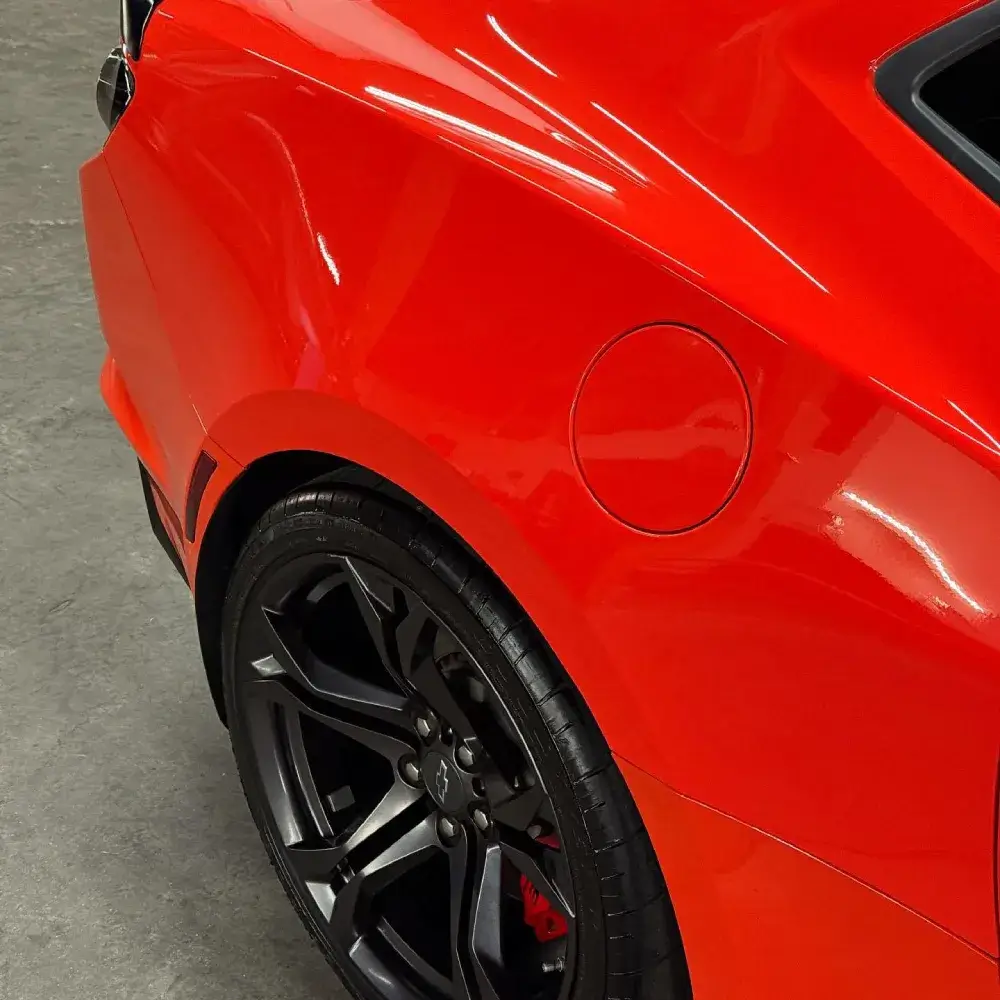
Arizona’s strong sun makes imperfections highly visible, especially on dark-colored vehicles. Dust can also accumulate on exterior surfaces, and improper washing or drying can introduce additional fine scratches over time.
Regularly using clean microfiber towels, proper washing techniques, and reducing contact with contaminated surfaces can help minimize future marring.
A Local Approach To Paint Correction
Aesthetic Auto Spa provides paint correction services for Tucson-area vehicle owners who want to address imperfections and improve paint appearance. A professional assessment can help determine whether a vehicle needs a single polishing stage or a more involved correction process.
The Takeaway
Multiple polishing stages are often necessary because correction and refinement serve different purposes. Properly matching the compound, pad, machine, and technique to the paint condition can produce a clearer finish while avoiding unnecessary clear-coat removal.