Paint correction can restore a vehicle’s appearance by reducing swirl marks, scratches, and surface imperfections, but removing too much clear coat can create long-term problems. The clear coat is the protective outer layer of a vehicle’s paint system, and preserving enough of it is essential for maintaining durability, shine, and protection against environmental damage.
Why Is Clear Coat Important During Paint Correction
The clear coat serves as a protective barrier between the vehicle’s paint and outside elements. It helps defend against UV exposure, oxidation, road debris, contaminants, and everyday wear. During paint correction, a controlled amount of clear coat is removed through polishing to level out imperfections and create a smoother, more reflective surface.
The goal isn’t to eliminate every visible flaw. Instead, professional correction focuses on achieving noticeable improvement while keeping as much of the original paint protection intact as possible.
What Happens When Too Much Clear Coat Is Removed
Removing excessive clear coat can weaken the vehicle’s finish and reduce its ability to withstand future exposure. Some potential issues include:
- Increased vulnerability to UV damage and fading
- Greater risk of oxidation and paint deterioration
- Limited ability to perform future polishing safely
- Possible exposure of the color layer beneath the clear coat
Once the clear coat is removed, you can’t restore it with additional polishing. If the protective layer is significantly compromised, refinishing may be required to properly repair the surface.
How Can Drivers Avoid Clear Coat Damage During Correction
Before starting a correction process, evaluating the paint’s condition and thickness is an important step. A careful inspection helps determine which defects can be safely improved and which imperfections may require alternative solutions.
Vehicle owners should also understand that deeper scratches are not always removable without risk. Aggressive polishing to remove every mark can remove more clear coat than necessary. A balanced approach often provides better long-term results by improving the finish while preserving the vehicle’s remaining protection.
Tucson’s strong sun exposure makes clear coat preservation even more valuable. Regular washing with proper techniques, avoiding harsh cleaning methods, and adding protective treatments after correction can help maintain the vehicle’s appearance over time.
Can Paint Correction Fix Paint Damaged By Automatic Car Washes
Automatic car washes can leave behind swirl marks, fine scratches, and dull-looking paint caused by abrasive brushes or improper cleaning methods. Paint correction can often improve these surface imperfections by carefully refining the clear coat, but results depend on how severe the damage is and whether enough clear coat remains for safe correction.
Understanding the type and severity of car wash damage is an important step before deciding on the right restoration approach. For a closer look at this specific issue, read more about Whether Paint Correction Can Fix Paint Damaged by Automatic Car Washes and what results vehicle owners can expect.
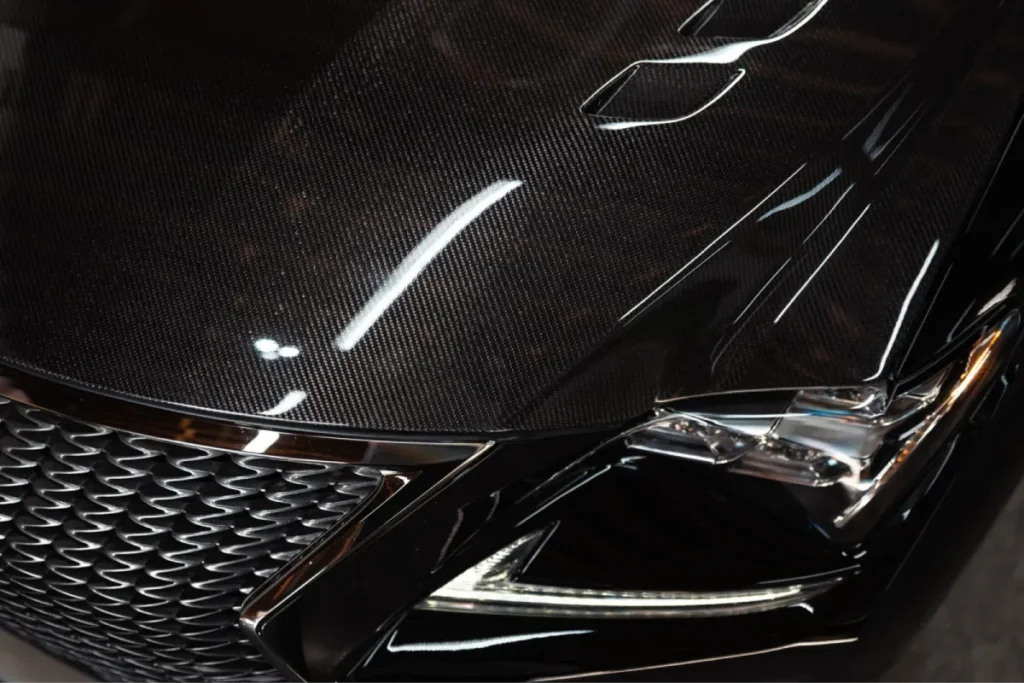
How Does Professional Paint Correction Protect Your Vehicle’s Finish
A successful paint correction process requires more than removing visible defects. It involves evaluating the paint condition, choosing the appropriate polishing method, and avoiding unnecessary clear coat removal. The goal is to create a cleaner, glossier finish while maintaining the integrity of the vehicle’s exterior.
Aesthetic Auto Spa helps Tucson vehicle owners understand their paint’s condition and choose an approach that fits their vehicle’s needs. Proper evaluation allows the correction process to be tailored to the existing finish rather than applying a one-size-fits-all method.
The Importance of Preserving Your Vehicle’s Paint
Paint correction works best when it balances restoration with protection. Removing too much clear coat may create short-term cosmetic improvements but can reduce the vehicle’s ability to withstand future environmental challenges.
Protecting the remaining clear coat is especially important due to constant sun exposure and outdoor conditions. A careful correction process, combined with proper maintenance, can help preserve the vehicle’s appearance and keep the finish looking refined for years to come.