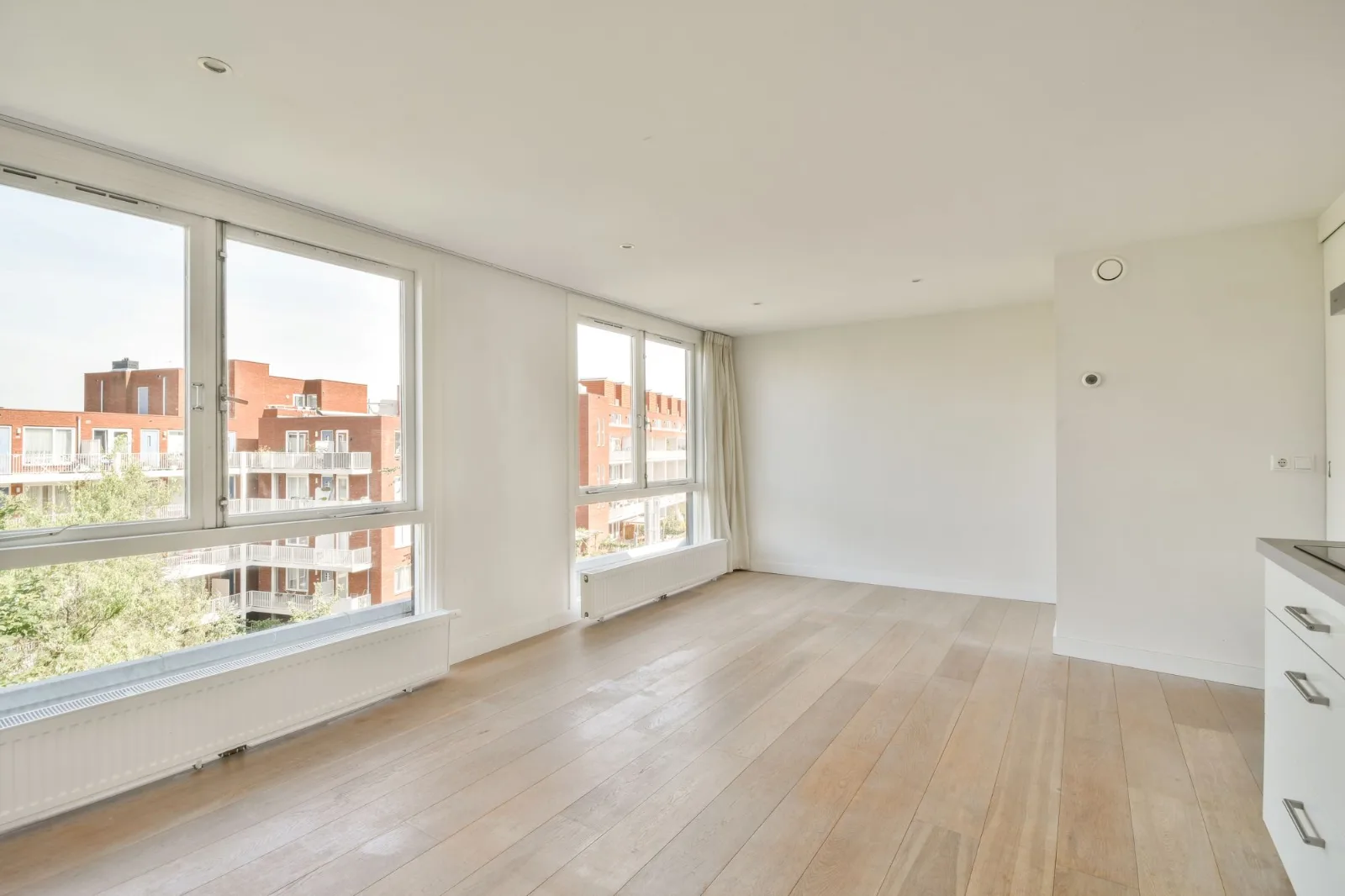
Finding the right rental can either feel like slim pickings or a buffet of choice, especially when you have a wish list of things you want in a home. Factors like a good location, large kitchen, or rent price can make it tempting to apply somewhere before you've looked closely at everything else.
However, the advertised rent is only one part of the decision. The lease terms, additional fees, condition of the property, commute, parking, pet rules, and even the way maintenance is handled can all affect how well a rental fits your life once you actually live there.
Before you sign anything or pay a deposit, take time to look beyond the listing photos and consider what day-to-day life in the property would really be like.
Start With What You Can Comfortably Afford
Your rental budget should leave room for more than the advertised monthly rent.
Depending on the property, you could also be responsible for utilities, internet, parking, pet fees, renters insurance, trash service, or other recurring charges. Some rentals may also require application fees, a security deposit, administration fees, or other move-in costs before you receive the keys.
Ask which expenses are included and which are separate, then look at the total monthly cost instead of comparing properties by rent alone. A rental that appears slightly cheaper could end up costing more once mandatory fees and utilities are added.
It's also worth leaving some breathing room in your budget. A rental that uses every available dollar each month can be difficult to manage when another expense comes up.

Think About the Location Beyond the Address
A neighborhood can look very different depending on when you visit.
Consider your commute to work or school, access to grocery stores and other places you visit regularly, and whether the surrounding area fits your daily routine. If possible, visit at more than one time of day so you can get a better sense of traffic, parking, lighting, and general activity around the property.
For an apartment or townhome, pay attention to the unit's location within the property too. A ground-floor apartment near an entrance might be convenient, but it could be busier. A top-floor unit might have fewer footsteps above you but involve more stairs. Neither is automatically better, but the right choice depends on what would bother you most once the novelty of moving has worn off.
Look Closely at the Condition of the Rental
A tour of the property is your chance to look past the staging and imagine actually living there.
Test the faucets, look under sinks, test that doors and windows open and close properly, and check whether the HVAC system seems to be operating normally. Keep an eye out for signs of water damage, pests, damaged flooring, broken fixtures, or other problems you would want addressed.
You don't need to inspect a rental like a building professional, but you should pay attention to anything that seems unusual. If you notice a problem, ask if it will be repaired before move-in and get important promises in writing.
Once you decide to rent the property, documenting its condition at move-in can also help establish which damage was already present. Photos or video taken before you unpack can also be useful if questions or claims of damage come up later.
Read the Lease Before You Sign It
A lease is easy to skim when you're excited about getting the property, but this is one document you should read thoroughly.
Confirm the length of the lease, due date for rent, renewal terms, late fees, notice requirements, and policies for ending the lease early. If you have pets, make sure you understand any deposits, fees, restrictions, or breed and size rules that apply.
You should also know what the lease says about guests, parking, maintenance responsibilities, alterations to the property, and subletting. If something you were told during the tour doesn't appear in the agreement, ask about it before signing.
Rental laws vary by state and locality, so questions about security deposits, notice periods, entry by a landlord, or other legal rights may depend on where you live. When a lease term is unclear or seems unusual, getting clarification before you commit is much easier than trying to resolve a disagreement later.
Ask How Maintenance Is Handled
A rental can look perfect during a 20-minute tour and still become a nightmare if it's difficult to get repairs handled.
Ask how residents submit maintenance requests and what the process looks like for an urgent problem outside normal business hours. If you are considering a larger apartment community, online reviews from current or previous residents can sometimes reveal patterns around communication and maintenance response.
For a privately owned rental, it can be helpful to understand whether the owner handles repairs personally or uses a property management company. The goal isn't to find a landlord who promises that nothing will ever break, but instead to understand the process when something inevitably does.
Consider What You Will Need Six Months From Now
It's easy to plan for the life you have today and forget that you'll probably be living in the rental for a year or longer.
Think about storage, work-from-home space if needed, laundry, parking, pets, accessibility, and the number of people who will regularly use the home. An extra room may not be important now, but flexible space could be valuable if you're family planning. Limited parking might seem manageable until two people in the household are commuting every day.
Your rental doesn't need to anticipate every possible future change, but thinking beyond move-in day can help you avoid choosing a place that will already feel too small or inconvenient a few months later.
Know Which Amenities You Will Actually Use
Apartment listings can make amenities sound like an important part of the value, but they are only useful if they fit your routine.
An on-site fitness center can be a real benefit if it replaces an expensive gym membership, but a pool might be less important if you know you'll rarely use it. Package lockers, covered parking, in-unit laundry, outdoor space, or secure bike storage could provide more everyday value depending on your lifestyle.
Try separating your list into true requirements and nice-to-haves. That can make comparisons easier when one property has impressive extras but another does a better job meeting your everyday needs.
Make Sure the Rental Listing Is Legitimate
Rental scams are worth taking seriously, especially when searching through online listings or social media.
Scammers sometimes copy legitimate property photos and descriptions, replace the real owner's contact information, and collect application fees or deposits for homes they do not control. Others create listings for properties that are not available at all. The FTC reported in late 2025 that consumers had reported nearly 65,000 rental scams since 2020, with about $65 million in reported losses.
Be cautious if you find a rental price that seems unusually low, are pressured to pay quickly, or communicate with an "owner" who can't show you the property. Search the address online and see whether the property appears elsewhere with a different price or contact person. If a management company is involved, go to its official website instead of relying only on contact information provided in the listing.
Be especially wary if someone insists that a deposit or rent must be paid with gift cards, cryptocurrency, or a wire transfer, as those are strong warning signs of a scam.
Pay Attention to How the Process Feels
The rental search itself can tell you something about what it might be like to live there.
Notice whether questions are answered clearly, appointments are handled professionally, and information about rent and fees stays consistent from the listing through the application process. A small scheduling mix-up doesn't necessarily mean there's a problem, but repeated confusion or pressure deserves more attention.
Be especially cautious if you're being rushed to send money before you've had a reasonable opportunity to verify the property and understand what you're agreeing to. In a competitive rental market, decisions sometimes need to happen quickly, but quick does not have to mean careless.
Frequently Asked Questions About Searching for a Rental
What should I ask before renting an apartment or house?
Ask about the total monthly cost, utilities, maintenance procedures, parking, pet policies, lease renewal, move-in requirements, and any additional mandatory fees. It is also useful to ask what will be repaired or cleaned before you move in.
Should I tour a rental before applying?
When possible, yes. Seeing the actual unit or property gives you a chance to see its condition and confirm that it matches the listing. Fake listings are a common form of rental fraud, so it's good practice to tour the rental before paying.
What should I look for during a rental walkthrough?
Check doors, windows, faucets, visible plumbing areas, appliances, heating and cooling, storage, and any signs of damage or moisture. Also consider noise, natural light, parking, and how the space would work with your day-to-day routine.
How can I tell if a rental listing might be a scam?
Warning signs can include rent that is far below comparable properties, pressure to pay immediately, inconsistent information about the owner, or demands for payment by wire transfer, cryptocurrency, or gift card. Searching the address and management company independently can help you verify the listing.
What should I read carefully in a lease?
Carefully read the entire lease, but pay close attention to rent and fees, the lease term, renewal procedures, notice requirements, security deposit terms, maintenance responsibilities, pet rules, parking, guest policies, and what happens if you need to move out early.
Choosing the Rental That Works For You
A rental doesn't need to have every feature on your wish list to be a good choice. It does need to fit your budget, routine, and priorities well enough that everyday life there makes sense.
Take the tour seriously, ask about costs that are not obvious from the listing, and read a sample lease before you commit to applying. If something seems inconsistent or unusually rushed, give yourself permission to slow down and investigate.
The best rental home is the one where you know what you're agreeing to, understand what you're paying for, and can picture yourself comfortably living there after the moving boxes are unpacked.
This community resource is made possible through the generous support of local WhirLocal sponsors.