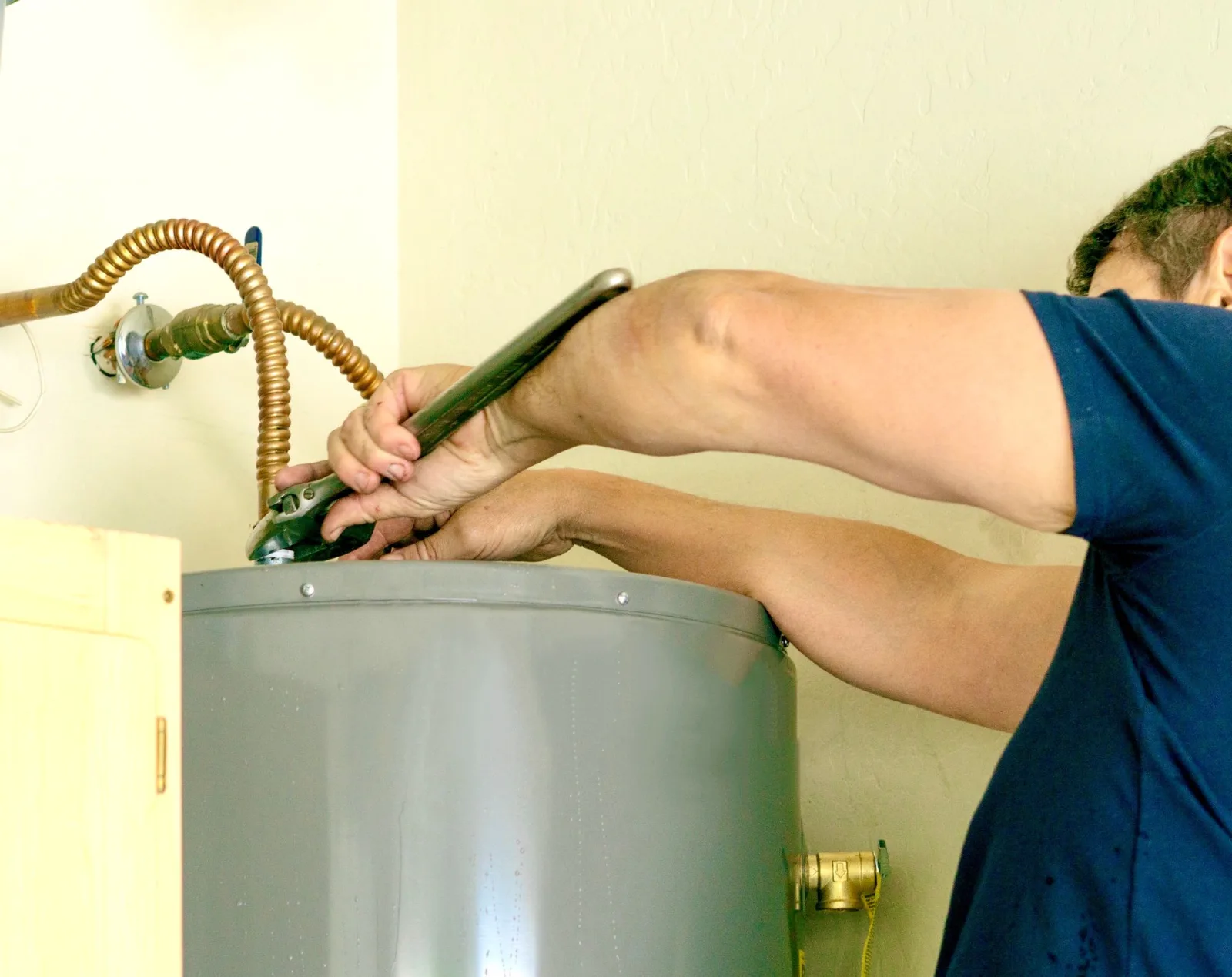
Your water heater can quietly do its job for years without getting much attention. As long as the showers stay hot and the system seems quiet, it is easy to assume everything is fine.
Then the hot water starts running out faster than usual, the tank makes noises you haven’t heard before, or you realize you have no idea when it was last maintained.
Flushing is a process that helps remove sediment that has collected at the bottom of a traditional tank-style water heater. The amount of buildup can vary depending on the water heater, water quality, and household use.
So, how do you know when flushing belongs on your maintenance list, and when is it better to call a plumber instead?
What to Know
For a tank-style water heater:
Sediment can accumulate inside the tank over time.
Flushing schedules can vary per unit and manufacturer's instructions.
Hard water can lead to faster mineral buildup.
Signs like rumbling sounds or reduced hot-water capacity can signal sediment buildup.
Tankless water heaters have different maintenance needs and are generally descaled instead of flushed.
Older water heaters with unknown maintenance history should be assessed by a plumber.
If you're not sure where to start, check the owner's manual for the manufacturer's maintenance recommendations.
Why Does Sediment Build Up in a Water Heater?
The water entering your home naturally contains minerals. Inside a tank-style water heater, some of those minerals can separate as the water is heated and gradually collect at the bottom of the tank.
A small amount of buildup can go unnoticed, but as it grows, collected sediment can impact heat transfer and reduce the water heater's efficiency. Homes with hard water might experience quicker mineral buildup due to higher concentrations of dissolved minerals.
How Often Should You Flush a Water Heater?
Most water heaters benefit from regular flushing once a year, but the interval can vary based on the model, local water conditions, and the amount of hot water your household uses. Following the manufacturer's maintenance guide is typically more useful than assuming every water heater should follow the same schedule.
If you've owned the home for years and know the heater has been maintained regularly, keeping up with that schedule is usually straightforward. If you recently moved into a home and don't know whether the water heater has been maintained, getting a professional inspection can be a good starting point.
What Happens When You Flush a Water Heater?
The flushing process drains water from the tank and uses fresh water to help carry loose sediment out through the drain valve.
The idea is to reduce the buildup sitting at the bottom before it becomes thick enough to interfere with the system. Removing sediment periodically can help improve efficiency and heat-transfer.
The process involves shutting down the heater, handling hot water safely, and fully refilling the tank before restarting certain systems. Electric water heaters, for example, can be damaged if the heating elements are energized while the tank is empty.
Make sure you follow the instructions for your exact make and model instead of following generic steps.
Signs Your Water Heater Might Need to Be Flushed
Sediment buildup doesn’t always announce itself clearly, but changes in performance can offer helpful clues.
Rumbling, popping, or crackling noises from the tank can develop as water heats around accumulated sediment. You may also notice that hot water doesn’t last as long as it used to or that the heater seems slower to recover between showers.
Cloudy or discolored hot water should also warrant a closer look, although sediment build-up isn’t the only possible cause.
Flushing might not automatically solve these issues. Heating elements, burners, thermostats, corrosion, and other components can produce similar symptoms. If the heater continues behaving differently after routine maintenance, it may need to be checked by a professional.
Can You Flush a Water Heater Yourself?
Some homeowners are comfortable flushing their own water heaters, but others would prefer to hire someone to do the job.
Water in the tank can be hot enough to cause burns, and gas and electric systems both require proper shutdown and restart procedures. If the homeowner lacks the necessary skills or know-how, having a qualified person handle the water heater maintenance can be safer and more efficient.
Call a plumber when the drain valve is stuck or leaking, there’s visible corrosion, the unit is older, or you aren’t comfortable working around gas, electricity, or very hot water.
What if the Water Heater Has an Unknown History?
Give a little more caution to an older water heater with little to no maintenance history. A water heater that hasn't been flushed recently or properly maintained can mean there are years of compacted sediment at the bottom. Valves and fittings could be worn or corroded. A drain valve that hasn't been opened in a long time can also be more difficult to operate.
This doesn't mean an older tank shouldn't be flushed, but the condition of the heater should be determined before treating it like a routine flush. If the unit is approaching the later part of its service life, has visible corrosion, leaks, or has never been serviced, having a plumber inspect it first can help you chose if flushing, repair, or replacement is the best path forward.
Do Tankless Water Heaters Need Flushing Too?
Tankless systems have maintenance needs, but they’re different from those of a traditional storage tank. Mineral scale can build up inside of the heat exchanger instead of gathering at the bottom of a tank, which means these systems or generally descaled or flushed with a cleaning solution according to the manufacturer's instructions.
The same rule of thumb applies for tankless water heaters: check the manual for the system you own before performing maintenance.
What Other Parts of a Water Heater Need Maintenance?
Flushing is only one part of water-heater care. Depending on your system, maintenance should also involve:
Checking for leaks and corrosion
Inspecting the anode rod (this metal component attracts rust before the tank itself)
Checking vents
Verifying the condition of safety components
Having a professional check your entire water heater can give you peace of mind that the whole system is working correctly.
Frequently Asked Questions
How long does it take to flush a water heater?
The process will vary based on water pressure, tank size, sediment buildup, and the drain valve. A tank with heavy buildup or a partially clogged valve can take considerably longer than one that has been maintained regularly.
Will flushing stop popping or rumbling noises?
If the sounds were due to sediment buildup, flushing should solve the issue. If the sounds continue, another component could be the culprit.
I have hard water. Should I flush the tank more often?
Hard water contains more minerals, which can cause buildup to accumulate faster. Check the maintenance guide for your particular heater and consider flushing more often if you have hard water.
Can flushing fix a water heater that isn’t producing enough hot water?
It can help when sediment is reducing usable tank capacity or interfering with heat transfer. A thermostat, burner, heating element, or other mechanical problem can also reduce hot water.
Should I flush an old water heater that hasn't been regularly maintained?
If you're unsure about the maintenance history of your water heater, it could be a good idea to get it professionally inspected. Heavy sediment buildup, corrosion, bad drain valves, or other wear can make it more difficult to service an older tank.
Give the Tank Some Attention Before There’s a Problem
Forgetting about the water heater is easy when hot water keeps flowing like usual. That’s also why years can pass before anyone thinks about maintenance.
Addressing sediment before it becomes compacted can help your water heater work as intended. Check the owner's manual for recommended guidelines and instructions.
If the tank has started making unfamiliar noises, hot water doesn't last as long, or its maintenance history is a complete mystery, take a closer look. And when the heater is older or your unsure about its condition, having a plumber inspect it can be a safer place to start than opening the drain valve and hoping for the best.
This community resource is made possible through the generous support of local WhirLocal sponsors.