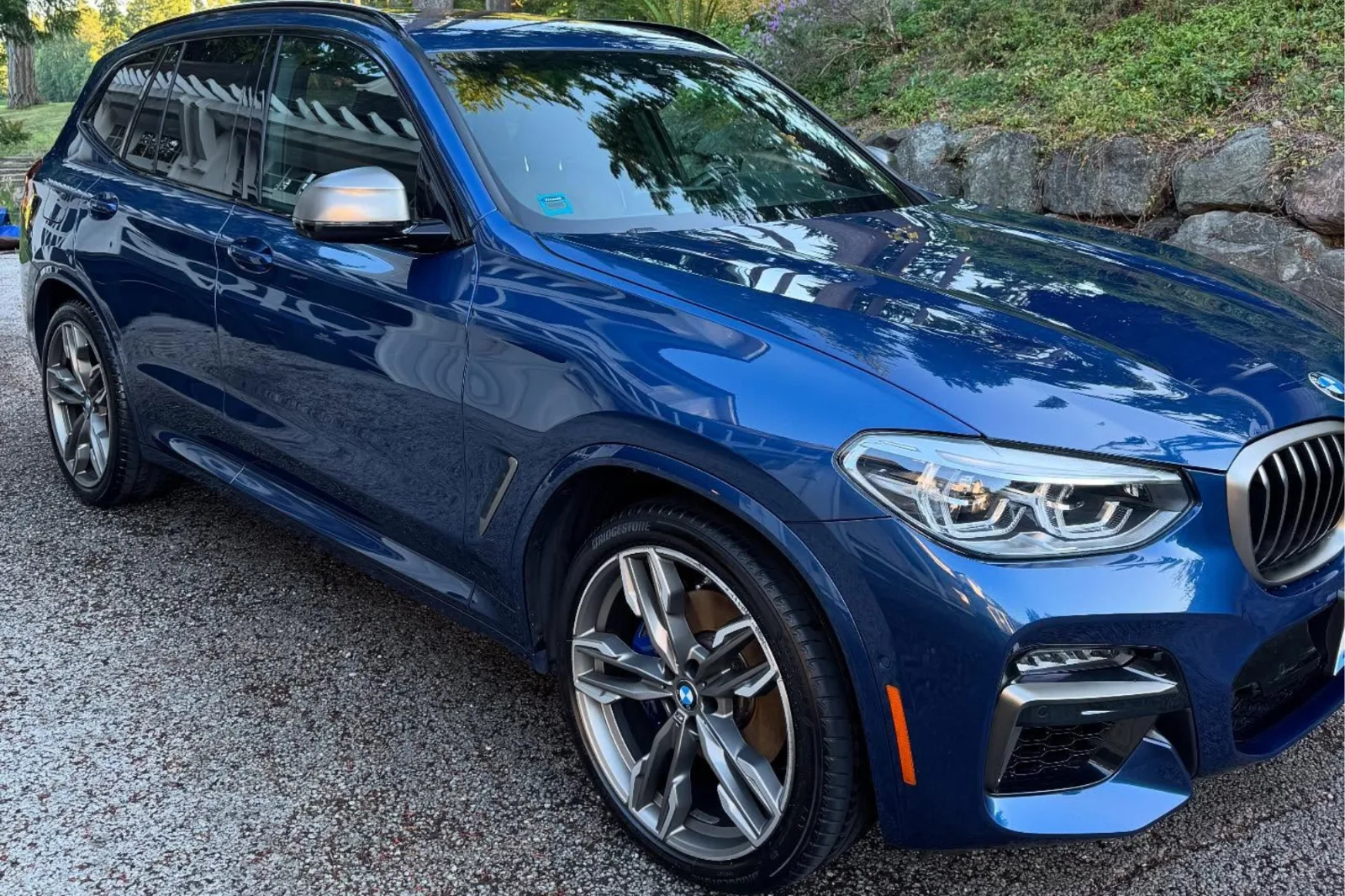
Paint protection film seams are usually positioned along natural vehicle body lines, panel edges, trim breaks, and other visual transitions so the film blends more naturally with the vehicle’s design. Rather than placing a seam across a broad, flat painted surface, experienced installers look for areas where the eye already expects a change in shape or contour.
For drivers in Kirkland, this matters because a clean installation should protect vulnerable paint without drawing unnecessary attention to the film itself.
Why Do Natural Body Lines Matter?
Modern vehicles have complex panel shapes, including raised creases, recessed sections, curved bumpers, vents, and character lines. These features give installers logical places to finish or overlap sections of paint protection film when a single piece cannot cover the entire area cleanly.
A seam placed near an existing contour may be less noticeable because the body line already changes how light reflects off the paint. The best location depends on panel design, coverage, and installation method.
Installers Consider More Than Appearance
Seam placement is not only a cosmetic decision. Installers also consider how the film needs to stretch, conform, and remain secure around curved surfaces.
Common areas evaluated during installation include:
Fender and bumper transitions
Hood edges and body creases
Door handles and trim
Mirrors and complex corners
Panel gaps between adjacent body sections
Trying to force one large sheet over a highly complex shape can create excessive tension, distortion, or difficulty keeping the film properly positioned.
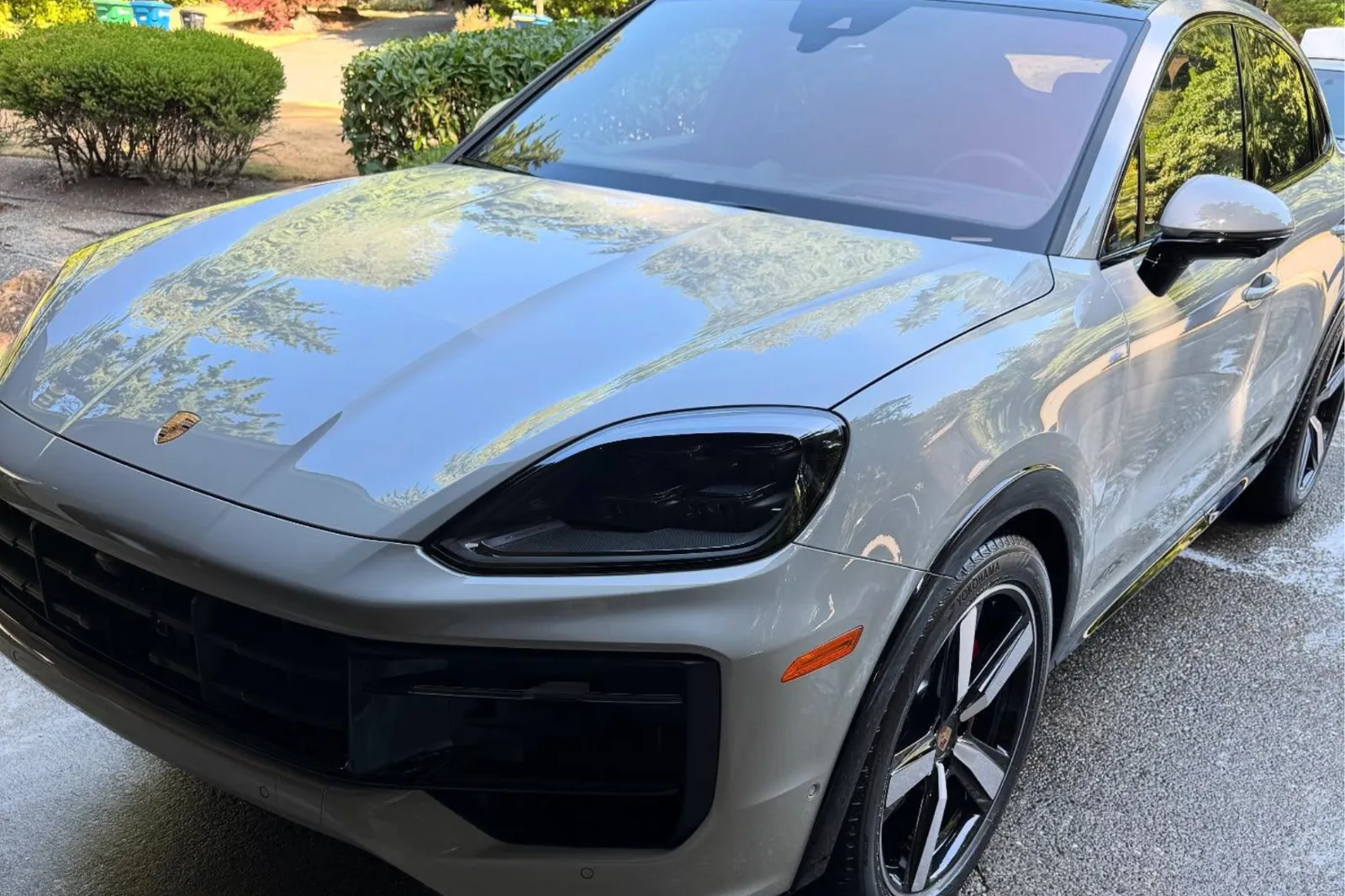
Vehicle Design Can Change the Installation Strategy
Two vehicles receiving similar PPF coverage may require different layouts. A flat hood may allow a nearly uninterrupted film section, while a sculpted bumper with multiple openings may require carefully planned seams or relief areas.
Installers inspect panel shape, available edges, debris exposure, and stretching needs. Their goal is to balance coverage, tension, edge security, and visual consistency.
Dirt can collect around exposed edges, making maintenance relevant. Installers should follow manufacturer guidance and vehicle contours rather than use one layout for every model.
Why This Matters for Kirkland Drivers
Vehicles around Kirkland regularly encounter wet roads, road grime, seasonal debris, and construction traffic. Washington transportation agencies also note that wet conditions are a regular part of regional driving, making exterior protection and maintenance relevant considerations for local owners.
Dreamy’s Detailing Services provides paint protection film among its vehicle protection services and serves Kirkland along with surrounding Greater Seattle communities. For vehicle owners comparing PPF installations, asking how seams and edges will be positioned can provide useful insight into the installer’s planning process.
The Takeaway
A well-planned PPF installation works with a vehicle’s design. Following panel edges, creases, and natural transitions can help seams appear less noticeable while allowing film to conform properly. Reviewing the planned layout with an installer helps set expectations for coverage and appearance.
Featured
Contact Dreamy’s Detailing Services
Thanks, your message was sent to Dreamy’s Detailing Services.