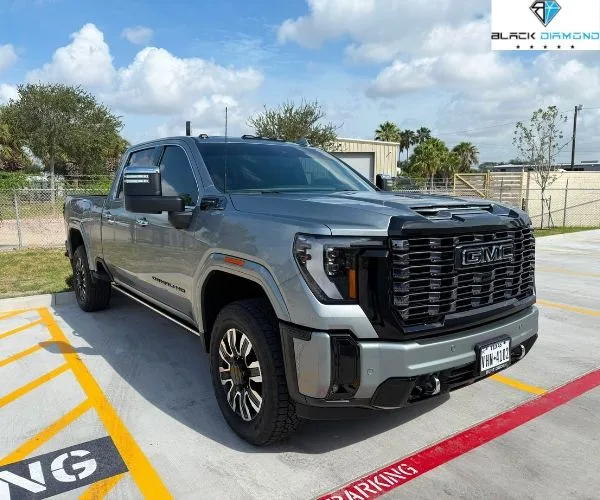
Installing paint protection film over swirl marks, scratches, or other defects does not make them disappear. Transparent film follows the surface beneath it, so imperfections may remain visible and become sealed under the material. For Rio Grande Valley drivers, the approach is to assess and correct suitable paint defects before installation, rather than expecting film to hide them.
Why Existing Imperfections Can Still Show
Paint protection film shields automotive paint from impacts and contamination; it does not repair damaged clear coat. Its flexible polyurethane construction conforms closely to body panels, following fine scratches, wash marks, and uneven areas already present.
Swirl Marks and Fine Scratches
Swirl marks are shallow coat scratches, often caused by improper washing, dirty towels, or automatic car wash brushes. Under South Texas sunlight, these marks can stand out across a hood, roof, or dark-colored door.
After film application, they may still be noticeable. Film can change how light reflects from a panel, but it is not a paint correction product. Deeper scratches, chips, oxidation, and clear-coat failure may also remain visible beneath it.
Why Paint Inspection Comes First
Before installation, the finish should be inspected under suitable lighting. A technician can identify swirl marks, deeper scratches, water spots, contamination, and compromised clear coat.
This assessment helps determine whether cleaning, decontamination, or machine polishing is appropriate. Light defects may respond to paint correction, while deeper damage may need another solution. Not every imperfection can safely be removed because polishing takes away a small amount of clear coat.
Correct Before Applying Film
When appropriate, correction before installation creates a cleaner surface. Once film is in place, correcting paint underneath generally means removing the film first. That can add expense, and replacement material may be needed.
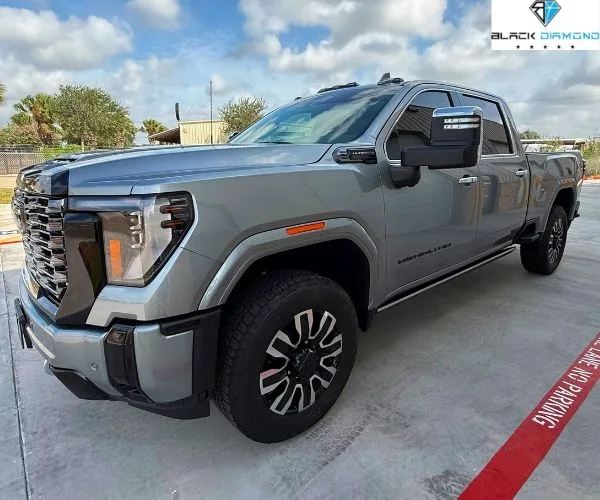
Local Driving Makes Preparation Important
Rio Grande Valley vehicles face intense sunlight, heat, dust, road debris, and outdoor parking. Dust can contribute to wash-related scratching when dragged across paint.
A careful wash and inspection reveal the finish's condition before protection is applied. Avoid rushing from a quick rinse directly into installation when more preparation is needed.
What Should You Ask Your Installer?
Ask for an explanation of the paint's condition and which defects can reasonably be improved. Discuss whether polishing is recommended, how much correction is safe, and which imperfections may remain visible. Review the expected appearance.
For aftercare guidance, read How Soon Can You Wash Your Car After Paint Protection Film Installation. Proper washing during the initial curing period helps protect the new film and its edges.
A Clear Finish Starts Before Installation
Paint protection film preserves the surface it covers; it does not reset the paint. Addressing suitable defects beforehand helps create a refined result and avoids sealing preventable blemishes beneath the film.
Black Diamond RGV helps Rio Grande Valley drivers consider paint condition and protection needs before installation. Arrange an assessment to discuss your vehicle's finish, correction options, and suitable film coverage.
Featured
Black Diamond Paint Protection Film, Ceramic Coating and Ceramic window Tint - McAllen
McAllen, TX
4.9 254 on Google
McAllen, TX
Contact Black Diamond Paint Protection Film, Ceramic Coating and Ceramic window Tint - McAllen
Thanks, your message was sent to Black Diamond Paint Protection Film, Ceramic Coating and Ceramic window Tint - McAllen.