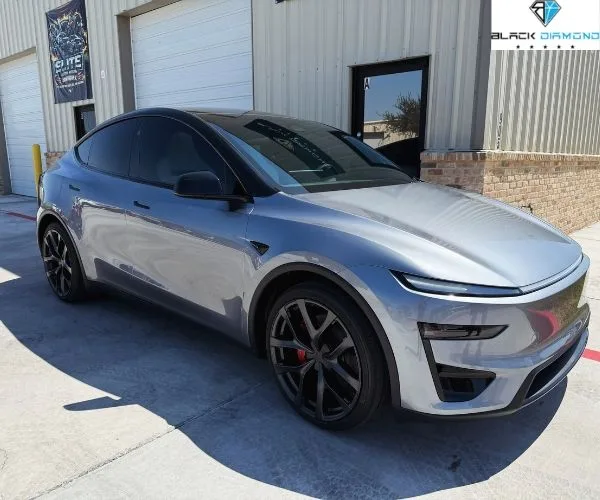
Driving through the Rio Grande Valley often means dealing with intense sunshine, hot parking lots, and long stretches of sun-exposed roadway. Professional window tint helps manage these conditions by reducing solar heat entering the cabin and blocking ultraviolet (UV) radiation. The result can be a more comfortable driving environment, less direct glare, and added protection for passengers and interior materials.
How Window Tint Controls Interior Heat
Sunlight entering through automotive glass carries energy that warms seats, dashboards, steering wheels, and other surfaces. When a vehicle sits outside in the South Texas heat, that energy can build up quickly, making the cabin uncomfortable before the air conditioning has a chance to cool it.
Understanding Solar Heat Rejection
Professional window tint helps reduce cabin heat by absorbing or reflecting solar energy before it passes through the glass. For Rio Grande Valley drivers, it can improve comfort during daily commutes, though results depend on film type, vehicle glass, and sun exposure.
Why UV Protection Matters
Ultraviolet radiation is another important consideration for drivers. UVA rays can contribute to skin damage and premature aging, while prolonged sunlight exposure can also affect certain interior materials.
Automotive glass blocks much UVB radiation, but UVA protection varies by glass type. A properly selected window film can provide additional UV protection, helping reduce exposure through treated windows.
Protecting Seats and Interior Trim
Repeated sunlight exposure may contribute to fading, discoloration, and deterioration of leather, vinyl, plastics, and upholstery. Window film can help limit some of the radiation and solar energy reaching these surfaces. It cannot eliminate every cause of interior wear, so regular cleaning, covered parking, and suitable interior protectants remain useful.
Choosing Film for South Texas Driving
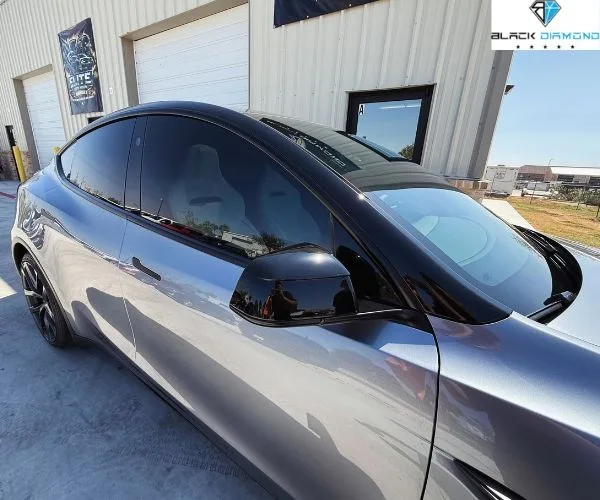
Window films vary in performance. Dyed films mainly affect appearance, while ceramic and advanced films may provide better heat rejection.
Compare solar heat rejection, UV protection, visible light transmission (VLT), and glare reduction. Darker tint does not always mean better heat control.
Check Texas tint laws before installation, as legal limits vary by window position and vehicle type.
Professional Installation Makes a Difference
Clean glass, precise cutting, and careful application help produce an even finish and reduce issues such as trapped debris, bubbles, and edge lifting. Installers can also explain expected curing time, cleaning precautions, and which film characteristics suit a vehicle's daily use.
Black Diamond RGV offers a local starting point for drivers exploring automotive window tint options. Reviewing available film choices and discussing driving habits can help customers make an informed decision suited to the region's sunny conditions.
A More Comfortable Drive
Professional window tint can help reduce cabin heat, limit UV exposure, and protect interior surfaces from some sun-related damage. For Rio Grande Valley motorists, choosing film based on measurable performance, legal compliance, and installation quality is more useful than focusing on darkness alone. Explore the available options at Black Diamond RGV to find a practical solution for everyday driving.
Featured
Black Diamond Paint Protection Film, Ceramic Coating and Ceramic window Tint - McAllen
McAllen, TX
4.9 254 on Google
McAllen, TX
Contact Black Diamond Paint Protection Film, Ceramic Coating and Ceramic window Tint - McAllen
Thanks, your message was sent to Black Diamond Paint Protection Film, Ceramic Coating and Ceramic window Tint - McAllen.