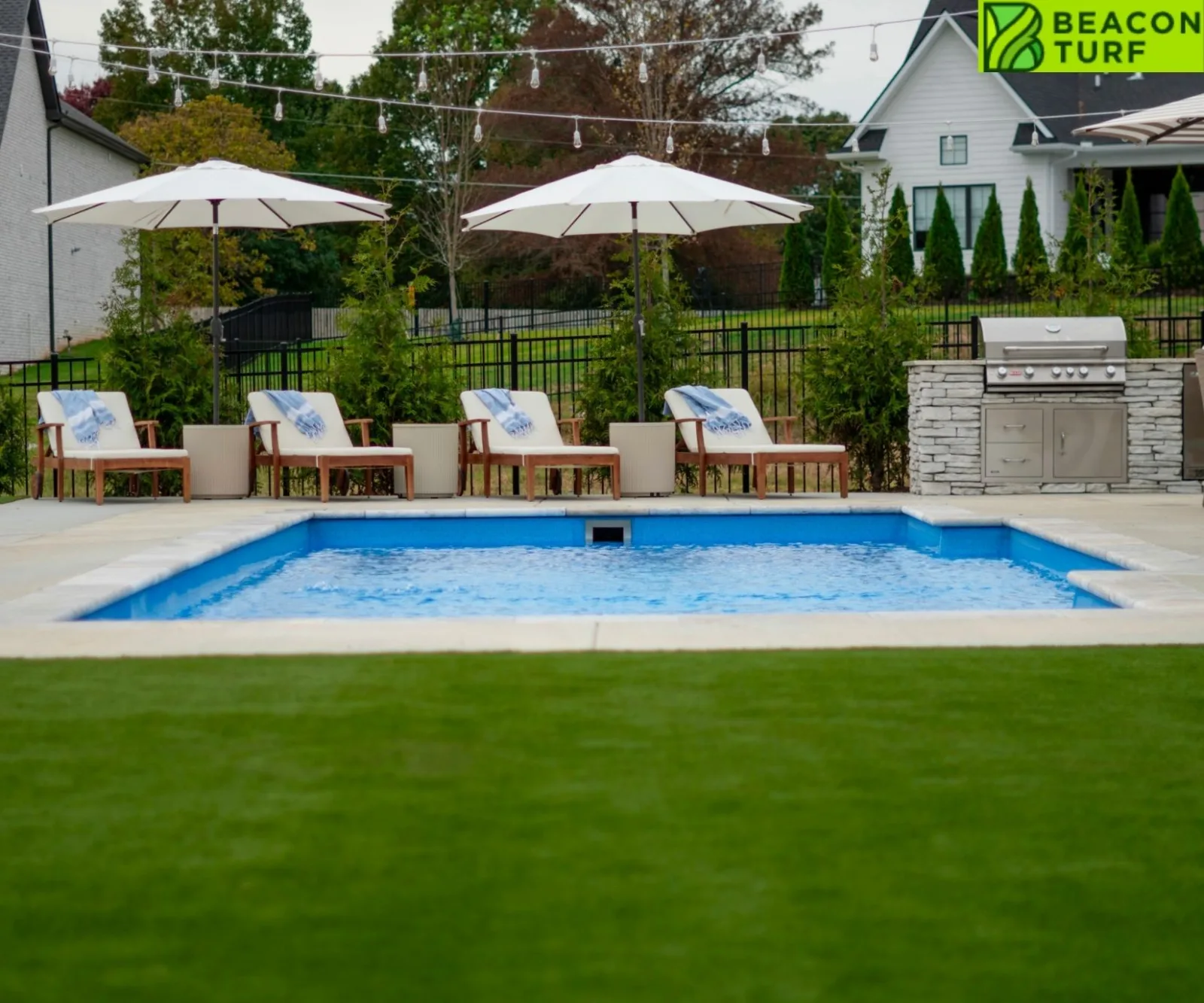
Professionally installed artificial turf can remain attractive for years, but its lifespan depends on more than the product. Material quality, drainage, ground preparation, installation, sunlight, maintenance, and everyday use all affect performance. In Franklin, Tennessee, seasonal weather and regular outdoor activity make these factors especially relevant.
1. Turf Fiber Quality and Construction
The quality of materials selected during artificial turf installation plays an important role in determining how long the finished surface performs well. Fiber material, pile height, density, backing, and tuft bind influence how turf handles traffic and weather. Quality fibers are designed to resist flattening, fading, and wear, although performance varies by product.
Polyethylene is common for residential lawns because it balances softness and resilience. Nylon offers greater resilience in demanding applications, while polypropylene appears in some blends and budget products. Choose according to intended use, not price alone.
2. Ground Preparation and Drainage
Why the Base Matters
A durable surface starts below the grass. Installers remove unsuitable material, grade the area, build a stable base, compact it, and provide a route for water to drain. Poor preparation can lead to dips, wrinkles, and shifting.
Franklin rainfall makes drainage essential. Water trapped beneath turf can contribute to odors, instability, and base deterioration. Proper grading and permeable base materials help water move away. Soil conditions, slopes, trees, and irrigation patterns also influence drainage demands and maintenance frequency across the property.
3. Sunlight, Weather, and Seasonal Changes
Turf exposed to direct sunlight may experience more heat and gradual color change than shaded areas. UV-resistant products help limit fading, but prolonged exposure still matters.
Tennessee summers bring strong sun and high temperatures. In open yards, synthetic turf can become warmer than natural grass. Seasonal temperature changes also stress materials and seams. Choose products suited to the site and follow manufacturer care guidance.
4. Traffic, Pets, and Maintenance
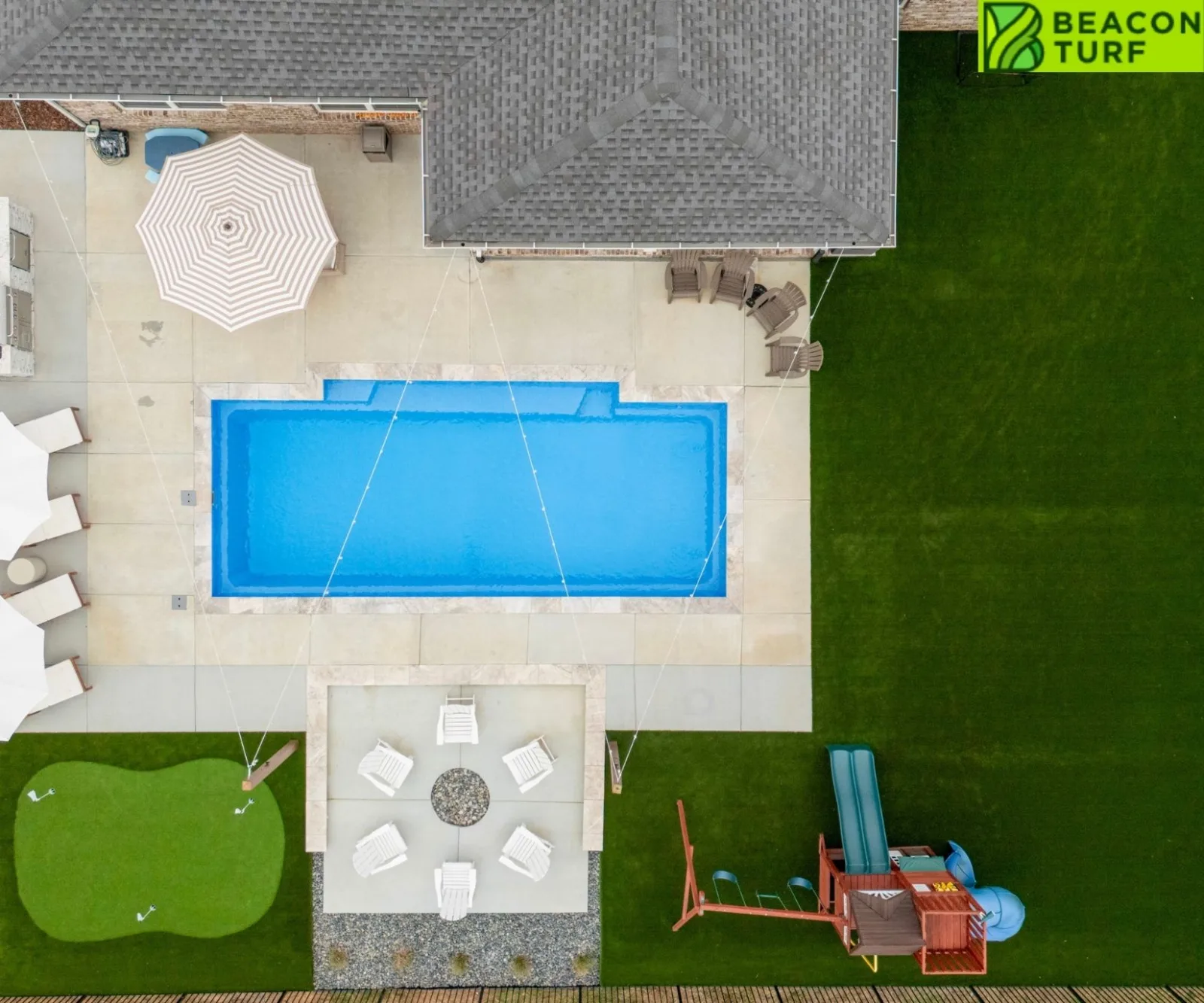
A lawn used for play, pets, gatherings, or frequent access generally wears faster than a decorative area. Repeated traffic can flatten fibers, shift infill, and stress seams and edges.
Routine care preserves appearance. Remove leaves and debris, rinse as needed, brush flattened fibers upright, and clean spills promptly. Pet owners should remove solid waste and rinse affected areas to limit residue and odor. Avoid unapproved chemicals or equipment.
5. Installation Quality and Periodic Checks
Even durable turf can underperform when seams, edges, infill, or transitions are poorly handled. Professional artificial turf installation should account for site conditions, intended use, drainage, and product specifications. Check periodically for lifted edges, separated seams, or low spots.
Beacon Turf serves homeowners considering outdoor turf solutions in the Franklin area. Reviewing the site, activity, and maintenance needs helps identify a suitable system. For related planning, read Does Removing Existing Grass Significantly Increase Artificial Turf Installation Costs and consider how preparation affects the project.
A Practical Takeaway
Artificial turf lifespan reflects the entire system: product, base, drainage, installation, exposure, and care. Ask how each option suits your yard and how it should be maintained. Beacon Turf can help Franklin homeowners explore these factors and plan an installation for their outdoor space.
Featured

Contact Beacon Turf
Thanks, your message was sent to Beacon Turf.