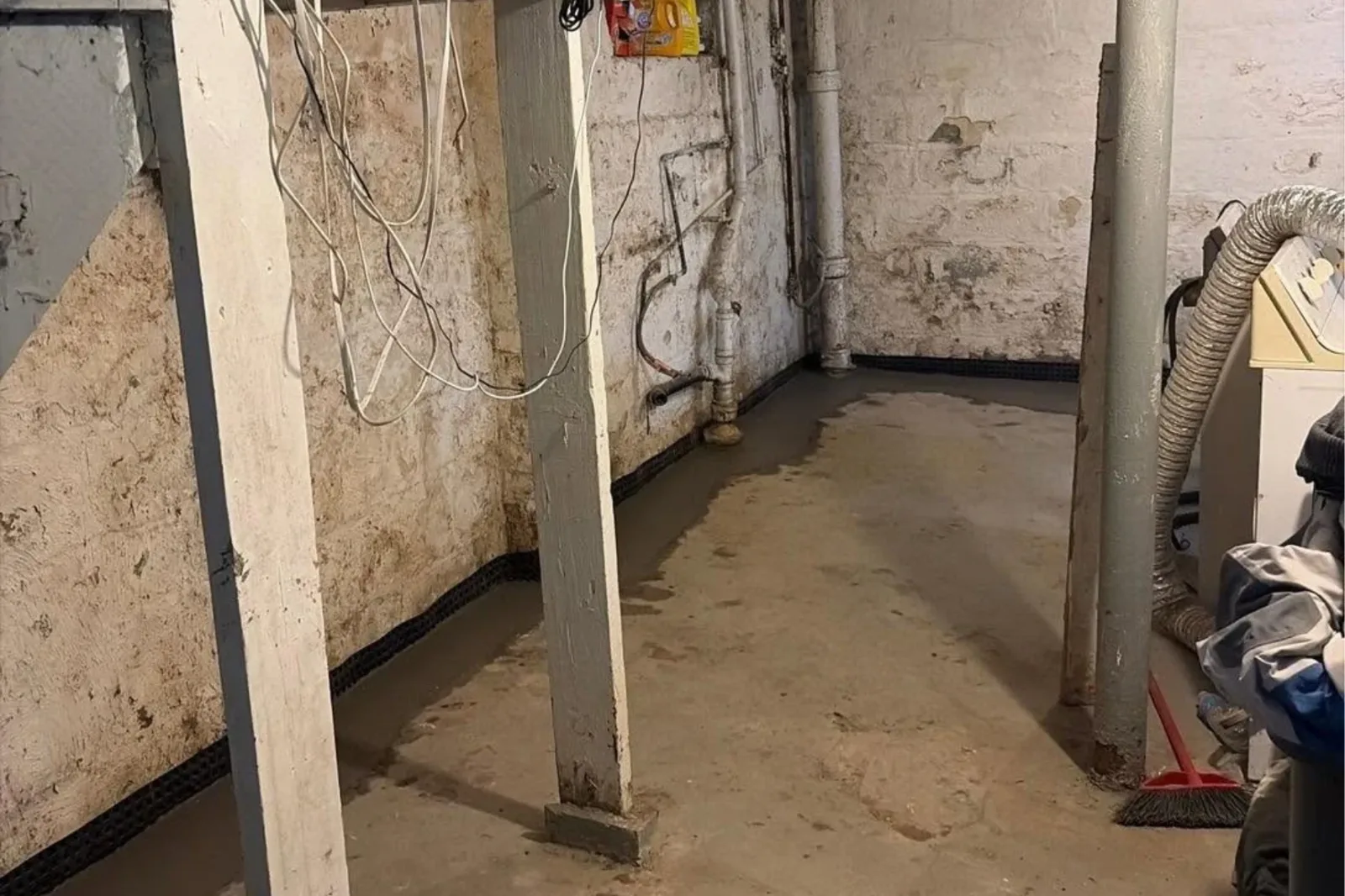
Basement waterproofing requires more than sealing visible cracks because water can enter through several pathways, including wall-floor joints, porous concrete, foundation openings, and pressure from saturated soil. A crack may be the most noticeable sign of moisture, but repairing it alone may not address the conditions causing water to collect around the foundation. Effective moisture control starts with understanding where the water comes from and how it moves.
Why Does Water Enter Through More Than Cracks?
Basement waterproofing starts with understanding how moisture enters a home. Basement walls and floors are exposed to moisture from the surrounding soil. When rainwater collects near a foundation, the soil can become saturated and increase pressure against basement walls. This condition, known as hydrostatic pressure, can push moisture through small openings and porous concrete.
What Areas Should Homeowners Check?
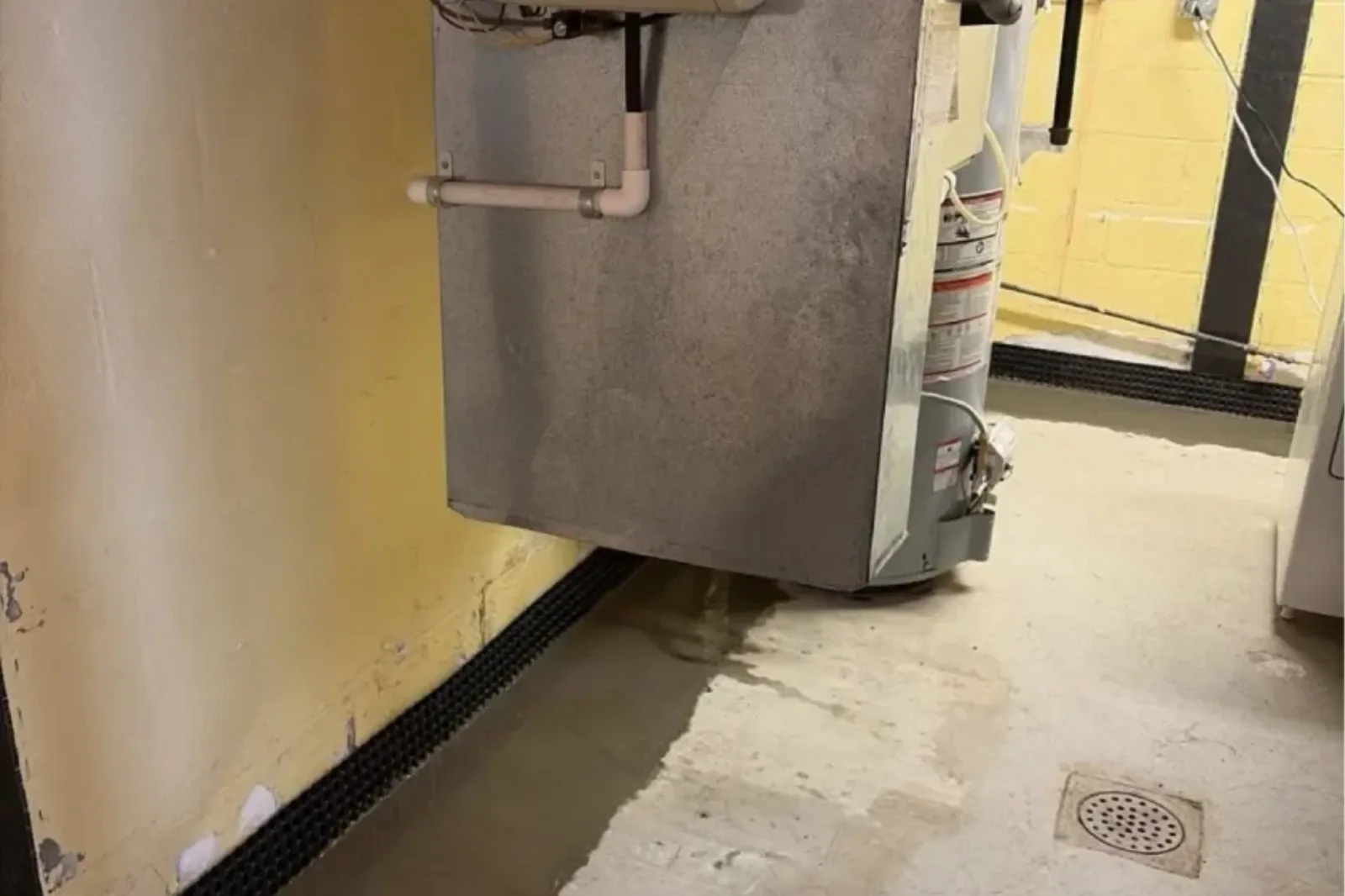
Visible wall cracks deserve attention, but they are not the only places to inspect. Water may also appear where basement walls meet the floor, around utility penetrations, or near windows and window wells. Damp patches, white mineral deposits, peeling paint, and musty odors can indicate moisture problems even when there is no obvious leak.
Sealing a crack may help stop water at that specific location. However, if clogged gutters, poor grading, or inadequate drainage continue directing water toward the foundation, moisture may return through another weak point.
How Do Local Conditions Affect Basement Moisture?
Mount Lebanon, Pennsylvania, experiences seasonal rainfall, snow, and changing temperatures. During wet periods, runoff can collect around homes, especially where the ground slopes toward the foundation or downspouts discharge too close to the structure.
Freeze-thaw cycles can also affect existing masonry and concrete. Water entering small openings may expand as it freezes, potentially worsening some forms of damage. These conditions make exterior drainage and foundation inspection important parts of a broader waterproofing assessment.
What Should a Complete Waterproofing Assessment Include?
A useful assessment looks beyond the visible leak. Homeowners should consider gutter performance, downspout extensions, soil grading, foundation-wall conditions, and signs of water collecting around the property.
The right solution depends on the source and severity of moisture. Some situations may call for drainage improvements or crack repairs, while persistent water intrusion may require a more involved interior or exterior waterproofing approach. A professional evaluation helps determine which measures address the underlying cause.
A Local Resource for Foundation Concerns
TC Foundation Pros LLC helps Mount Lebanon homeowners address foundation and basement concerns. Understanding the source of moisture is an important first step toward choosing a repair approach that fits the property's conditions.
The Takeaway
Sealing visible cracks can help, but lasting moisture control requires identifying how water reaches the foundation. For more information about foundation and basement solutions, visit TC Foundation Pros LLC.
Featured
Contact TC Foundation Pros
Thanks, your message was sent to TC Foundation Pros.