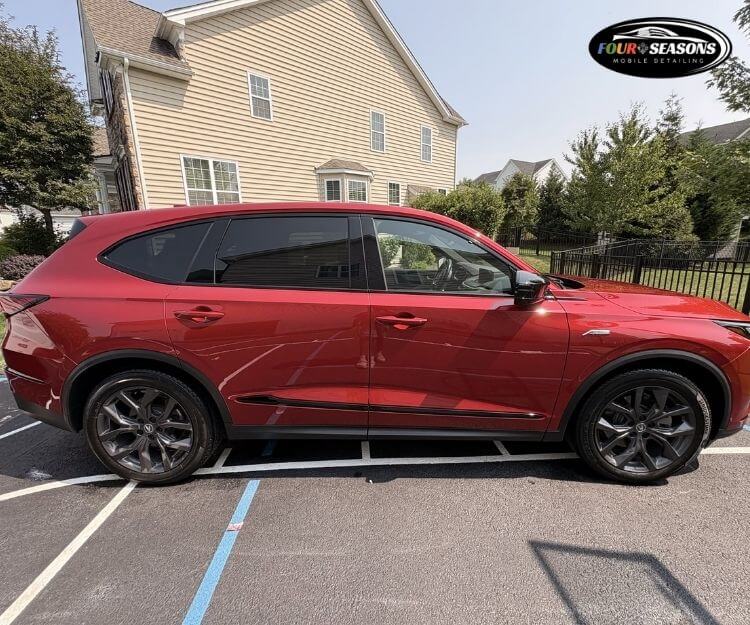
Swirl marks can make a clean vehicle look dull, especially when sunlight exposes circular scratches across the clear coat. Paint correction can reduce or remove many of these defects without repainting because the process carefully levels a microscopic amount of the clear coat, creating a smoother surface that reflects light more evenly.
What Actually Causes Swirl Marks?
Swirl marks are typically shallow scratches in the clear coat rather than damage that reaches the color layer. They often develop from improper washing and drying, automatic car washes, dirty towels, or abrasive debris being moved across the paint.
In Montgomery County, road dust, winter grime, rain, and changing temperatures make washing especially important. Even a vehicle that is washed frequently can accumulate fine defects when the wrong technique or contaminated materials are used.
How Paint Correction Levels the Surface
Polishing Instead of Repainting
During paint correction, a technician uses polishing compounds and machine polishing pads to refine the clear coat. Abrasive particles in the compound gradually remove an extremely small amount of damaged surface material. As the uneven areas are leveled, the scratches become less visible because light no longer scatters as strongly around their edges.
The process is different from simply covering defects with a wax or glaze. Those products may temporarily improve appearance, while correction physically refines the affected surface. Because clear coat thickness is limited, responsible correction focuses on removing defects safely rather than aggressively chasing every imperfection.
Why Technique Matters
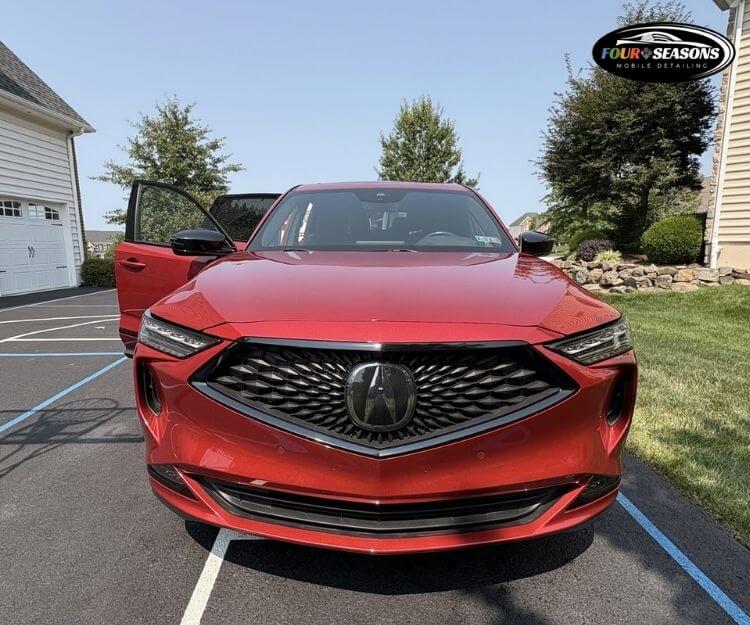
Paint hardness, scratch depth, panel condition, polishing equipment, and product selection all influence the correction approach. A technician must also recognize when a mark is too deep for polishing. If a scratch has penetrated through the clear coat into the paint layer or substrate, polishing cannot restore the missing material, and repainting or another repair may be necessary.
Keeping Swirl Marks From Returning
After correction, gentle maintenance helps preserve the refined finish. Use clean, soft microfiber towels, wash with appropriate automotive products, and avoid dragging dirt across dry paint. A careful two-bucket washing method can help reduce the chance of transferring abrasive particles back onto the vehicle.
Montgomery County drivers may find this especially useful after winter road conditions or dusty summer driving. Frequent rinsing can remove loose contaminants before they become part of the washing process.
Where Local Expertise Fits In
Four Seasons Mobile Detailing serves drivers in Montgomery County and approaches paint correction as a surface-refinement process rather than a cosmetic cover-up. For vehicles showing swirls, haze, or light wash-related defects, an assessment can help determine whether polishing is appropriate.
The Takeaway
Paint correction removes swirl marks by carefully refining damaged clear coat, not by adding a new layer of paint. With the right technique and maintenance afterward, drivers can improve clarity and gloss while preserving the vehicle’s existing finish. For drivers considering correction, Four Seasons Mobile Detailing can help evaluate the paint and determine an appropriate approach