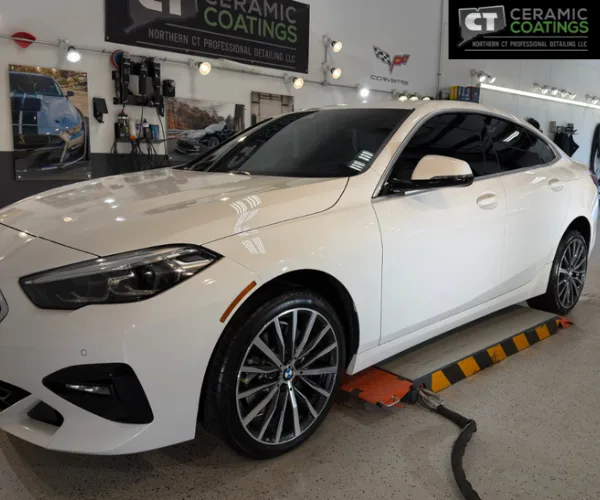
Energy-efficient window tinting helps drivers maintain a more comfortable vehicle interior while reducing heat buildup, limiting ultraviolet (UV) exposure, and improving air-conditioning efficiency. In Connecticut, where summers bring intense sunlight and winters introduce colder driving conditions, choosing the right automotive window film can make everyday travel more comfortable. Beyond appearance, modern window tinting offers practical benefits that support interior protection, temperature management, and a more enjoyable driving experience throughout the year.
How Energy-Efficient Window Tinting Improves Driving Comfort
A vehicle parked outside during a warm afternoon can quickly develop an uncomfortable cabin temperature. Sunlight entering through untreated glass contributes to heat buildup, making the steering wheel, seats, and dashboard unpleasant to touch.
Reduced Heat Buildup Inside the Vehicle
One significant advantage is improved cabin temperature control. By reducing solar heat gain, quality window film can help keep the interior more comfortable when driving or returning to a parked vehicle.
This can be particularly helpful for Connecticut commuters traveling along I-95, I-84, or local roads with limited shade. Less heat entering through the windows may also reduce the workload on the vehicle's air-conditioning system.
Protecting Vehicle Interiors From Sun Damage
Sunlight affects more than cabin temperature. Prolonged exposure to ultraviolet radiation can contribute to fading, discoloration, and deterioration of interior materials.
UV Protection for Upholstery and Dashboard Surfaces
Certain automotive window films block up to 99% of UV rays, depending on the product. This protection helps reduce exposure affecting leather seats, fabric upholstery, plastic trim, and dashboard surfaces.
For drivers who regularly park outdoors at workplaces, shopping centers, or residential properties, this added protection can help preserve the interior's appearance.
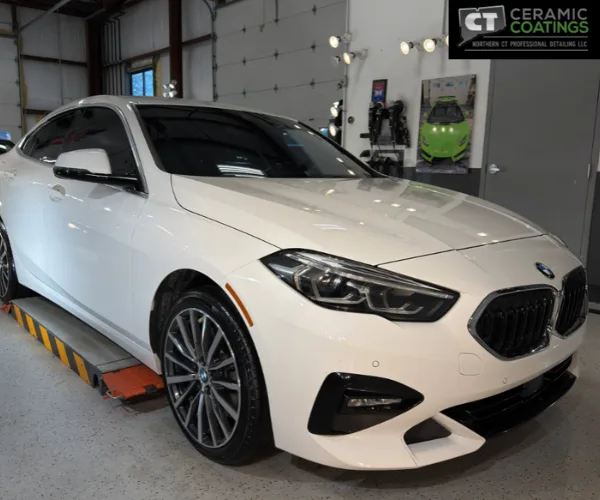
Improving Energy Efficiency and Everyday Visibility
Reducing solar heat gain may allow drivers to use their air conditioning less aggressively, depending on weather conditions, driving habits, and vehicle design. Although window tinting cannot eliminate fuel or electricity consumption, it can contribute to a more manageable cabin environment.
Choosing the Right Film for Connecticut Roads
Not all window films perform equally. Ceramic, carbon, and traditional dyed films differ in their heat rejection, appearance, and construction.
Ceramic window films use nonmetallic materials designed to reject infrared heat without relying on dark shades. This means drivers can explore heat-reducing options without automatically choosing the darkest available tint.
Making an Informed Window Tinting Decision
Choosing a film involves more than selecting a shade. Drivers should understand visible light transmission (VLT), which measures how much visible light passes through the window. A lower VLT percentage means darker tint, while a higher percentage allows more light inside.
For a closer look at shade selection, read How Do You Choose the Right Window Tint Percentage for Your Vehicle. Understanding this relationship helps drivers balance privacy, visibility, heat rejection, and legal requirements.
A Practical Choice for Connecticut Drivers
CT Ceramic Coatings offers automotive window tinting in Connecticut. Drivers can explore film options, heat-control priorities, appearance preferences, and applicable regulations before choosing an installation.
Featured
Contact CT Ceramic Coatings
Thanks, your message was sent to CT Ceramic Coatings.