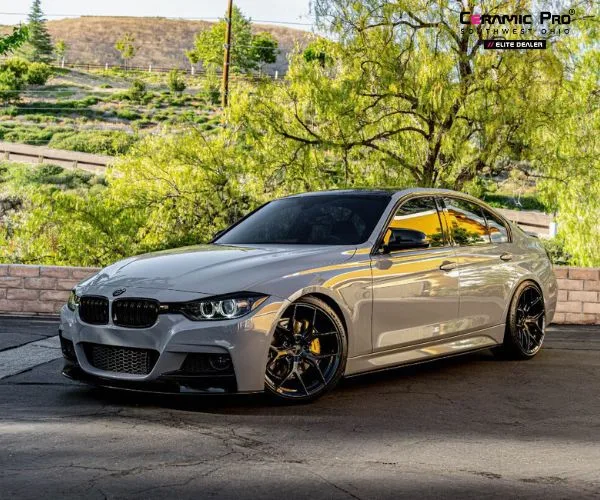
A vehicle wrap helps preserve paint by adding a physical layer between the finish and exposure. Quality film can reduce direct contact with ultraviolet light, road grime, small stones, and light abrasion. It is not armor: protection depends on film type, installation, maintenance, and impact severity.
A Barrier Against Sunlight and Fading
A car wrap helps protect a vehicle’s original paint by covering its surface and limiting direct exposure to ultraviolet radiation. Sunlight contributes to oxidation and fading, especially when a vehicle spends long periods outdoors. Coverage matters. Full wraps protect more surfaces than partial designs, while uncovered areas remain vulnerable. Film performance varies, so ask about the material’s intended use, care instructions, and expected service life rather than assuming every wrap offers identical protection.
What Happens When Debris Hits the Film?
Loveland drivers encounter neighborhood streets, busy routes, construction zones, and seasonal road treatments. Dust, grit, and small stones can strike lower doors, rocker panels, mirrors, and front-facing surfaces. Wrap film provides a sacrificial outer layer that may absorb minor scuffs before they reach the original paint.
Know the Limits of Scratch Protection
A wrap can resist light rubbing and superficial abrasion, but sharp objects, heavy impacts, and deep scratches may cut through it. It is not equivalent to dedicated paint protection film, which is engineered for impact protection and may offer different thickness and self-healing properties.
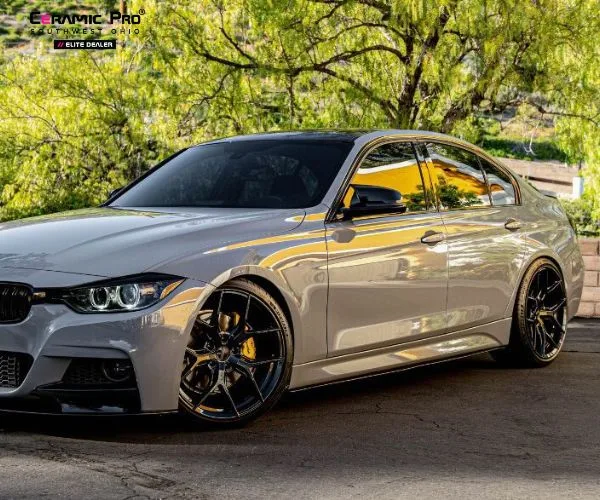
Drivers prioritizing chip resistance on high-impact areas should compare a color-change wrap with paint protection film. Some owners choose both, using a wrap for appearance and protective film on vulnerable panels when compatible products and installation methods allow.
Installation and Care Make a Difference
Paint should be clean, sound, and properly prepared before application. Peeling clear coat, rust, or failing paint can affect adhesion and complicate removal. Installers must also account for panel contours, edges, and seams to reduce the chance of lifting.
After installation, follow the installer’s washing guidance. Use gentle automotive soap and clean microfiber materials; avoid abrasive brushes and harsh chemicals. Remove bird droppings, tree sap, and road contaminants promptly because they can stain or damage film. Inspect edges, especially after winter driving.
Choosing a Wrap With Realistic Expectations
Ask what film is being installed, which panels will be covered, how edges will be handled, and what maintenance is recommended. Review finished work and clarify the removal process. A wrap can help maintain underlying paint, but it cannot correct existing damage or guarantee a flawless finish when removed.
Ceramic Pro Southwest OH can help Loveland-area vehicle owners understand wrap options and how coverage relates to driving habits. For guidance on evaluating workmanship, read What Should Vehicle Owners Look for When Comparing Professional Car Wrap Installation Services.
A wrap is most useful when selected for a clear purpose and cared for consistently. Discuss your vehicle’s condition, daily use, and protection priorities with Ceramic Pro Southwest OH before choosing an approach.
Featured
Contact Ceramic Pro Southwest OH
Thanks, your message was sent to Ceramic Pro Southwest OH.