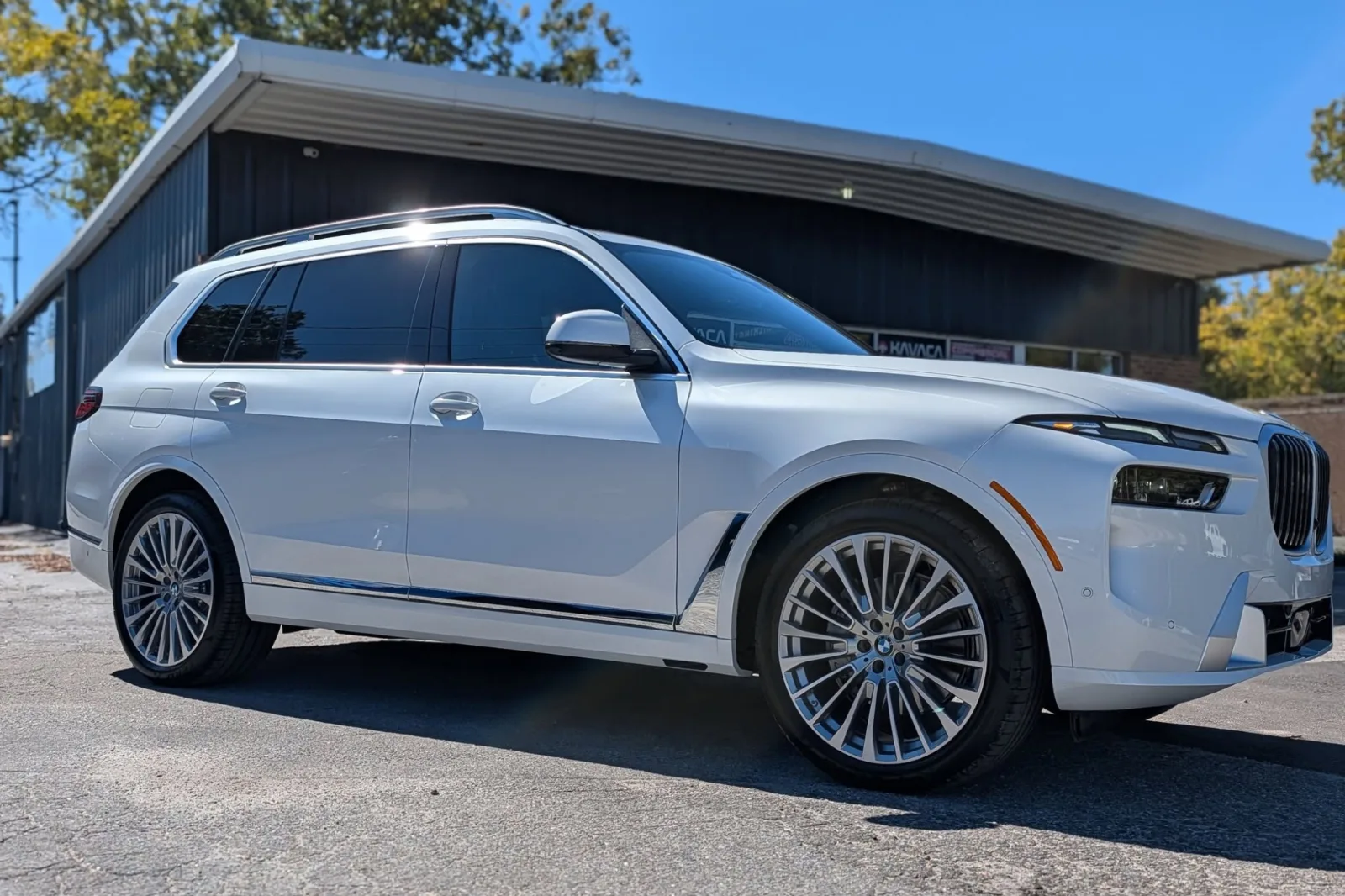
Window tinting can improve cabin comfort, reduce glare, and add privacy, but the condition of the glass underneath plays an important role in the finished result. When a vehicle already has surface distortion, waves, scratches, or uneven areas, applying window film will not correct those imperfections. In some cases, the tint can make existing flaws more noticeable, especially when viewed from certain angles or in direct sunlight.
For Wilmington drivers, understanding the condition of automotive glass before installation can help prevent unexpected results and set realistic expectations.
Why Existing Glass Distortion Matters
Automotive glass is designed to provide a clear view, but not every window remains perfectly uniform over time. Heat exposure, manufacturing variations, previous repairs, and physical wear can affect how light passes through the glass.
When window tinting is installed over distorted glass, the film follows the existing surface rather than creating a completely new optical surface.
Common Signs of Glass Distortion
Drivers may notice several issues before considering tint:
Visual waves: Reflections or objects appear slightly warped when viewed through the window.
Uneven reflections: Straight lines look curved or inconsistent across certain areas.
Surface scratches: Fine marks become more visible when sunlight hits the glass.
Optical inconsistencies: Different sections of the window appear to bend or shift images.
These conditions can affect how the finished tint looks, even when the film itself is properly installed.
How Wilmington's Conditions Can Affect Visibility
Coastal driving around Wilmington exposes vehicles to strong sunlight, humidity, and changing outdoor conditions. Bright afternoon sun along Market Street, College Road, and the surrounding coastal routes can make minor glass imperfections easier to notice.
Heat can also make drivers more aware of glare and visual discomfort. While quality window film can help reduce incoming solar energy and glare, it cannot straighten distorted glass or remove existing scratches.
Before installation, it is worth examining each window under different lighting conditions rather than relying on a quick inspection in the shade.
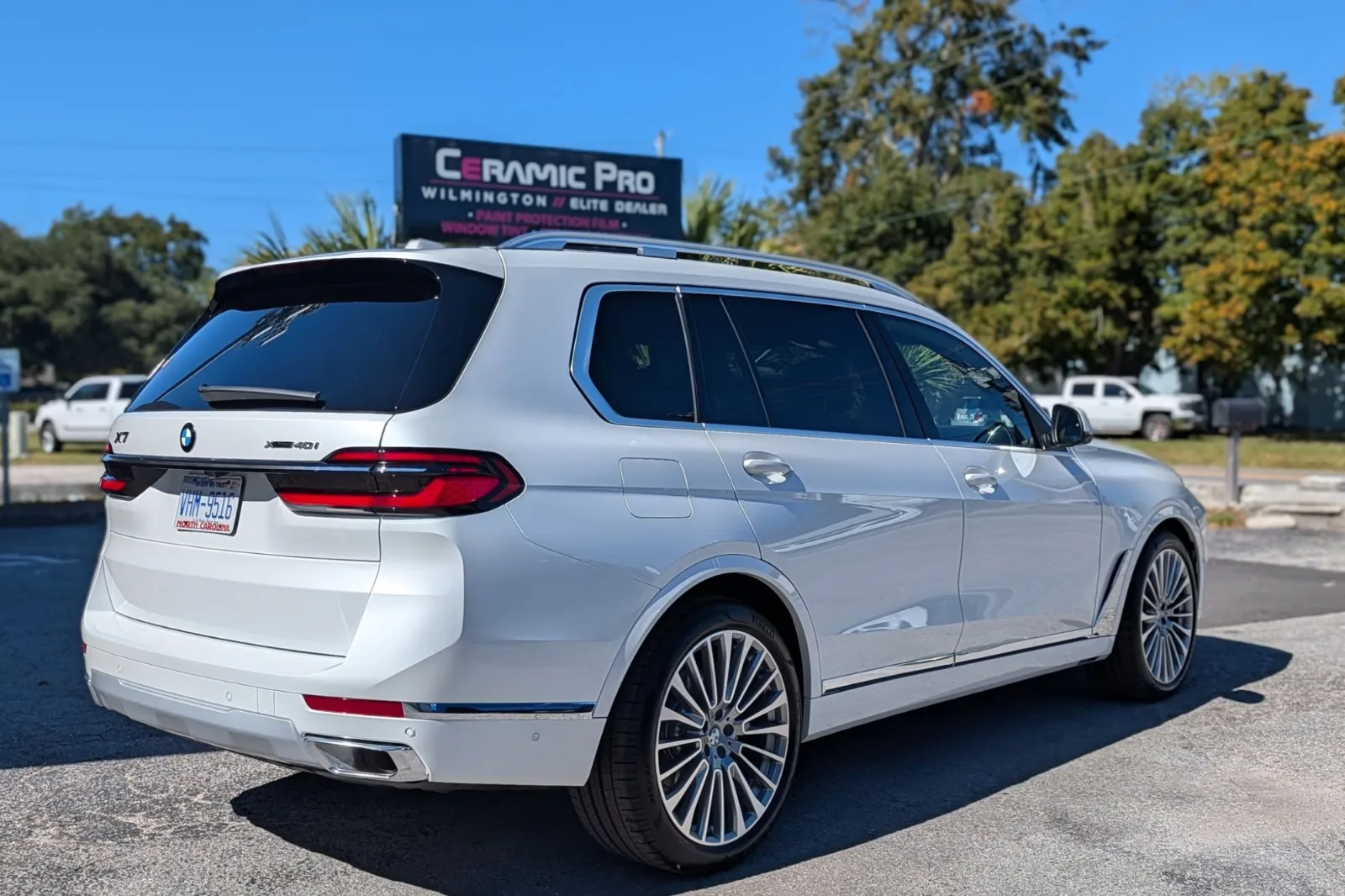
What Should Drivers Do Before Installing Tint?
A proper glass assessment helps identify potential concerns before film is applied.
Inspect the glass: Look for scratches, waves, chips, and unusual reflections.
Check from multiple angles: Move around the vehicle and examine the window in natural light.
Discuss visible imperfections: Ask the installer whether existing distortion could affect the finished appearance.
Review realistic expectations: Confirm what the film can improve and which glass issues will remain.
A Careful Approach to Window Tinting
Ceramic Pro Wilmington helps local drivers explore automotive appearance and protection options, including window tinting. Discussing the condition of the glass before installation gives drivers a clearer understanding of the process and the results they can reasonably expect.
The Takeaway
Window film can improve comfort and manage glare, but it cannot repair distorted automotive glass. Identifying existing imperfections before installation helps drivers avoid disappointment and make informed decisions.
Featured
Ceramic Pro Elite Wilmington | Ceramic Coating | PPF | Window Tint
Wilmington, NC
4.9 133 on Google
Wilmington, NC
Contact Ceramic Pro Elite Wilmington | Ceramic Coating | PPF | Window Tint
Thanks, your message was sent to Ceramic Pro Elite Wilmington | Ceramic Coating | PPF | Window Tint.