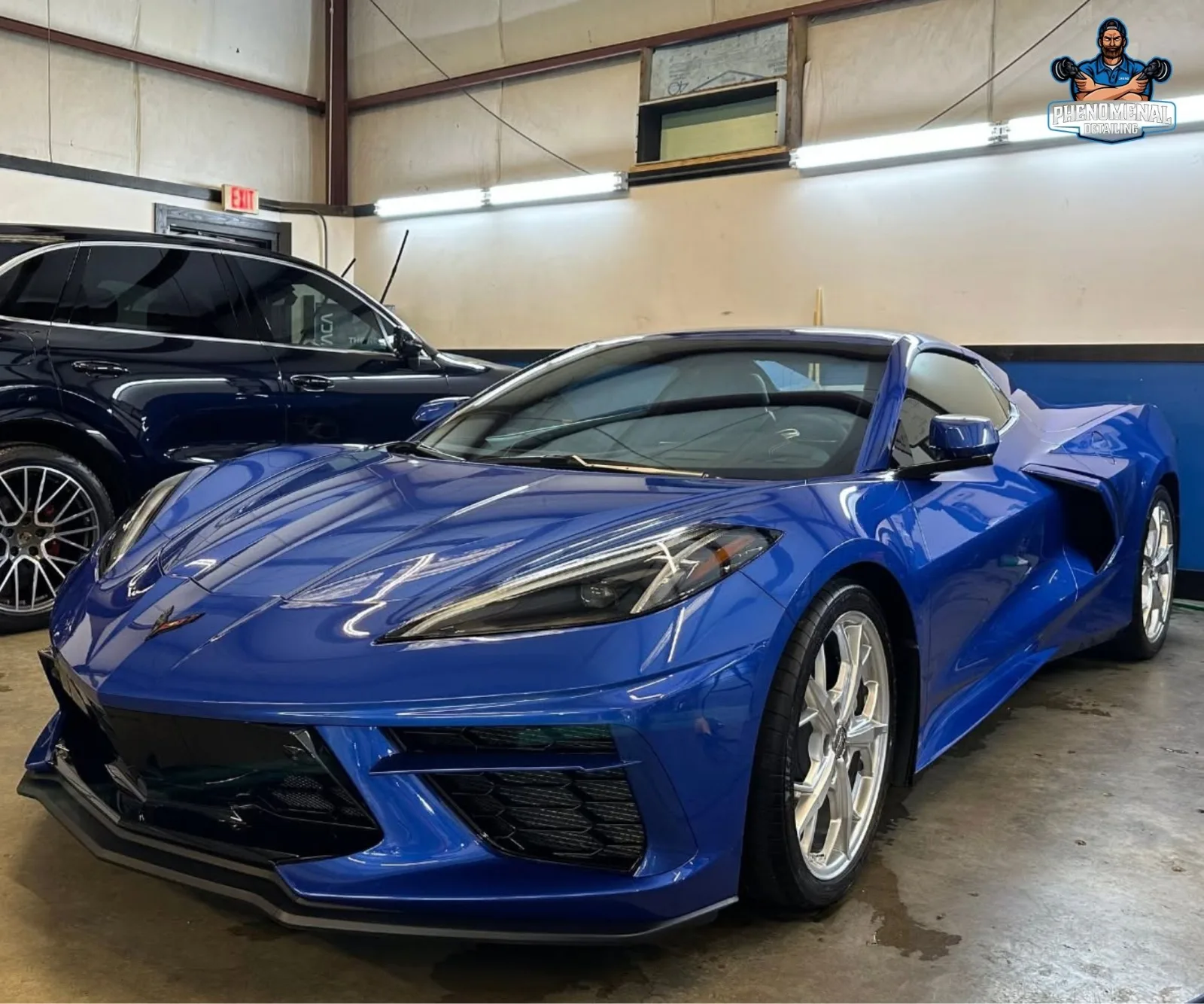
Ceramic coating performance depends on more than product quality and preparation. Temperature and humidity influence how the coating spreads, flashes, bonds with automotive paint, and cures. For drivers in Durham, North Carolina, changing seasonal conditions make application timing and environmental control important considerations when protecting a vehicle’s finish.
Why Temperature Matters During Application
Working Within the Right Conditions
Ceramic coatings contain specialized ingredients that form a protective layer as they react and cure. If the environment is too hot, the coating may flash quickly, leaving less time for proper leveling. This can increase the risk of high spots, streaks, or uneven coverage.
Cooler conditions can slow the reaction and extend the time needed for the coating to settle. However, excessively low temperatures may interfere with proper curing, depending on the product.
Always follow the manufacturer's recommended temperature range for the air and vehicle surface. A panel warmed by direct sunlight may behave differently from one in a controlled indoor workspace.
How Humidity Influences Curing
Humidity describes the amount of moisture in the air. Depending on the coating's chemistry, moisture can influence its reaction rate and the time available for installation.
High humidity may accelerate flashing for some formulations, while other products respond differently. Low humidity can also affect application behavior. There is no universal humidity level suitable for every ceramic coating.
Installers should consider humidity alongside temperature, ventilation, and the manufacturer's technical instructions rather than relying on a single environmental rule.
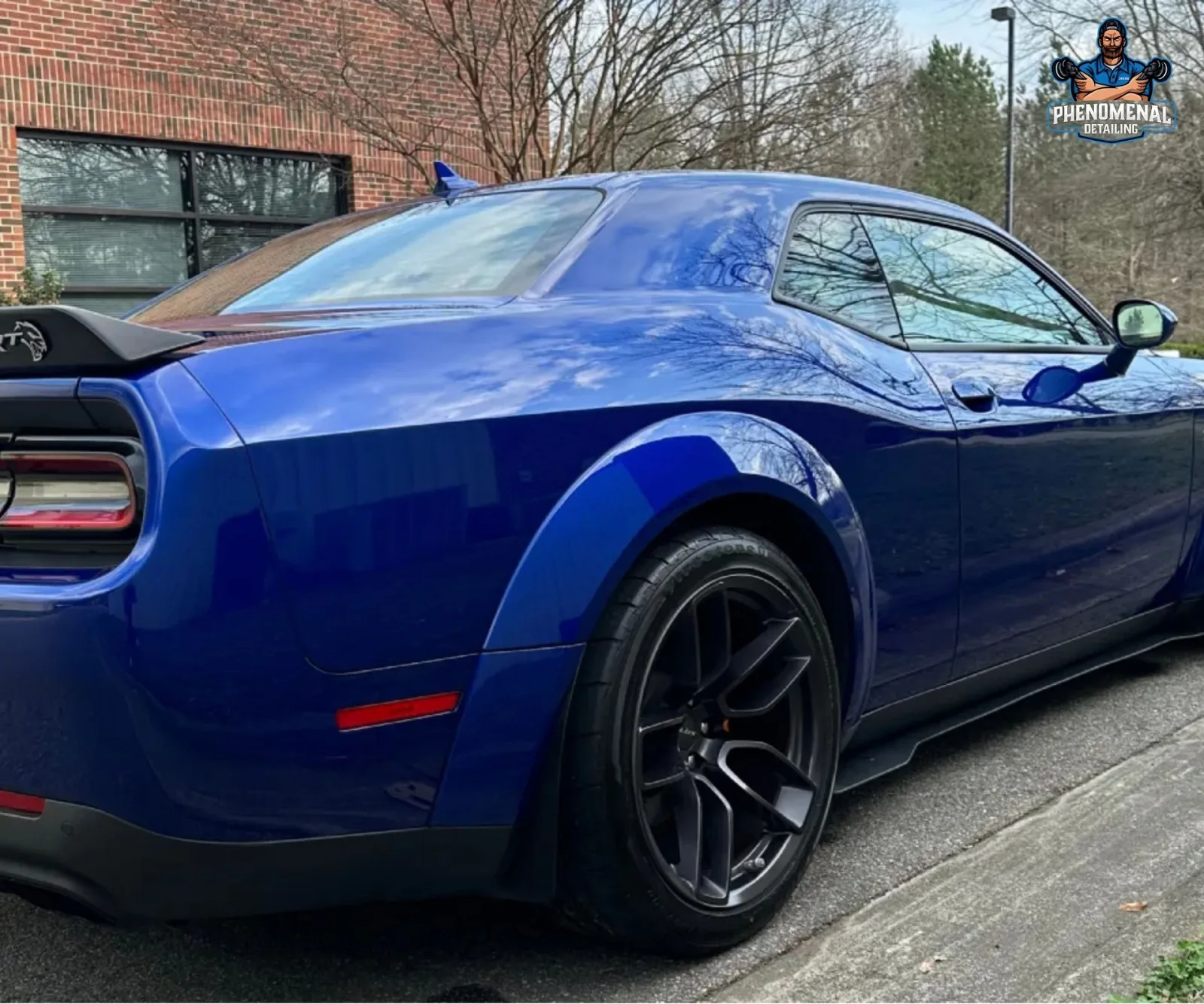
Durham's Seasonal Conditions and Vehicle Care
Durham experiences warm, humid summers, cooler winters, and changing conditions throughout the year. These shifts can complicate outdoor coating applications, particularly when temperatures fluctuate or rain raises moisture levels.
Pollen, road grime, and seasonal debris also make paint preparation important. Before applying a coating, the vehicle generally needs thorough washing, appropriate decontamination, and paint correction when necessary. Applying protection over embedded contamination or existing paint defects can preserve an imperfect appearance beneath the coating.
A shaded driveway may reduce direct sunlight, but shade alone does not control humidity, surface temperature, or airborne contaminants.
What Proper Application Looks Like
Preparation and Environmental Checks
A careful installation involves more than spreading product across the paint. The installer should inspect the finish, prepare the surface, and assess conditions before beginning.
Important considerations include:
Surface temperature: Confirm that the paint falls within the product's recommended range.
Air conditions: Check temperature and humidity throughout installation.
Controlled environment: Reduce exposure to direct sunlight, dust, and unexpected moisture.
Curing instructions: Follow the product's guidance for water exposure and initial care.
After application, avoid washing the vehicle or exposing it to rain until the specified initial curing period has passed.
Ceramic Coating or Paint Sealant?
Drivers who wash their vehicles weekly may also wonder how ceramic coating compares with paint sealant. The key differences involve durability, maintenance, and application requirements. A paint sealant generally offers a simpler protective layer, while ceramic coatings can provide longer-lasting protection when correctly installed and maintained. For a closer look at the trade-offs, read How Does Ceramic Coating Compare To Paint Sealant On Vehicles Washed Weekly.
Choosing a Local Detailing Professional
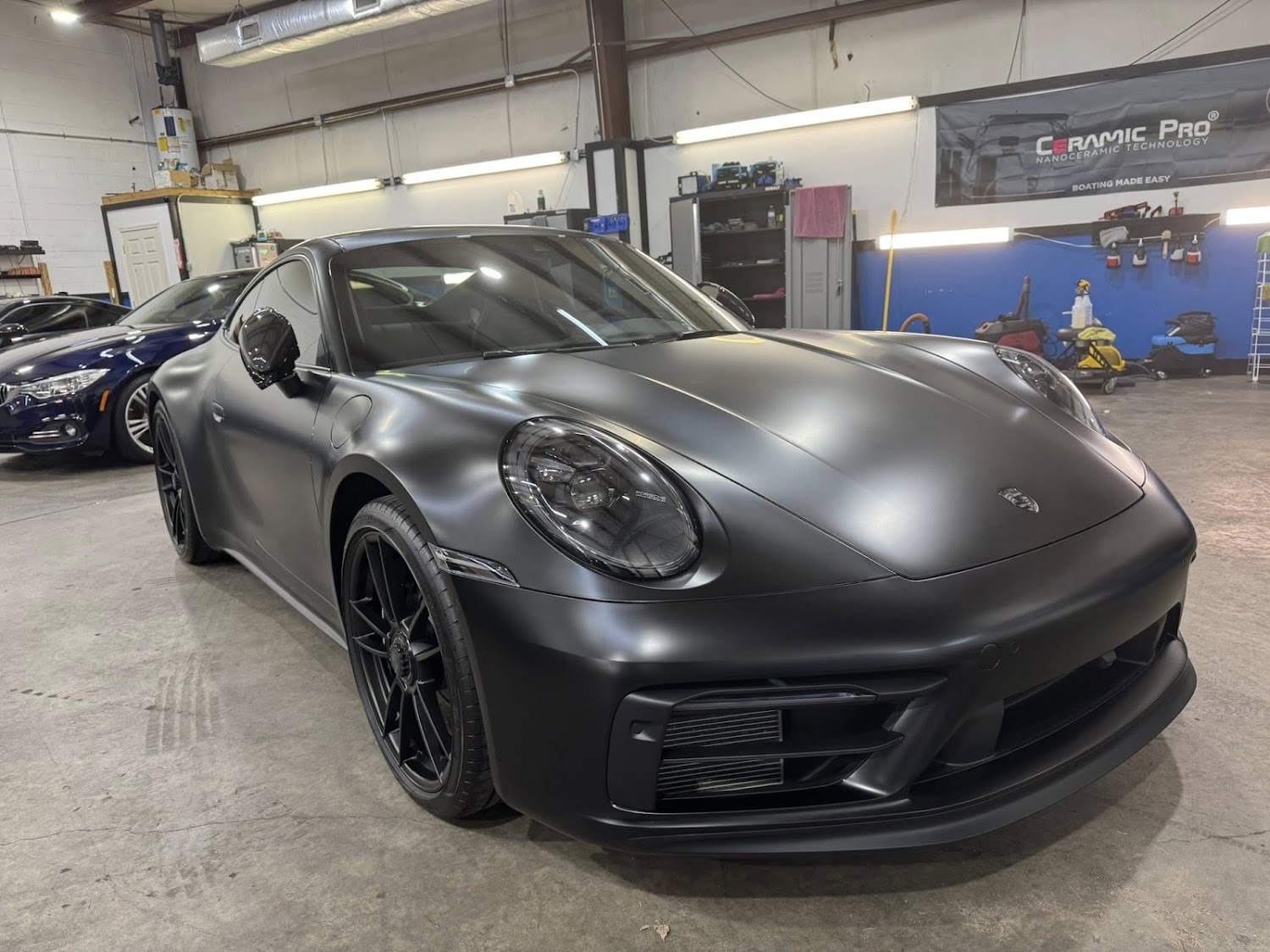
Phenomenal Detailing serves drivers seeking professional vehicle care in Durham. Ask how application conditions are evaluated, what preparation is included, and which aftercare instructions apply to the selected product.
The Takeaway
Temperature and humidity can influence ceramic coating application, leveling, and curing. Proper preparation, suitable working conditions, and product-specific aftercare help Durham drivers protect their vehicle's finish. Explore ceramic coating options through Phenomenal Detailing's website.
Featured
Contact Phenomenal Detailing
Thanks, your message was sent to Phenomenal Detailing.