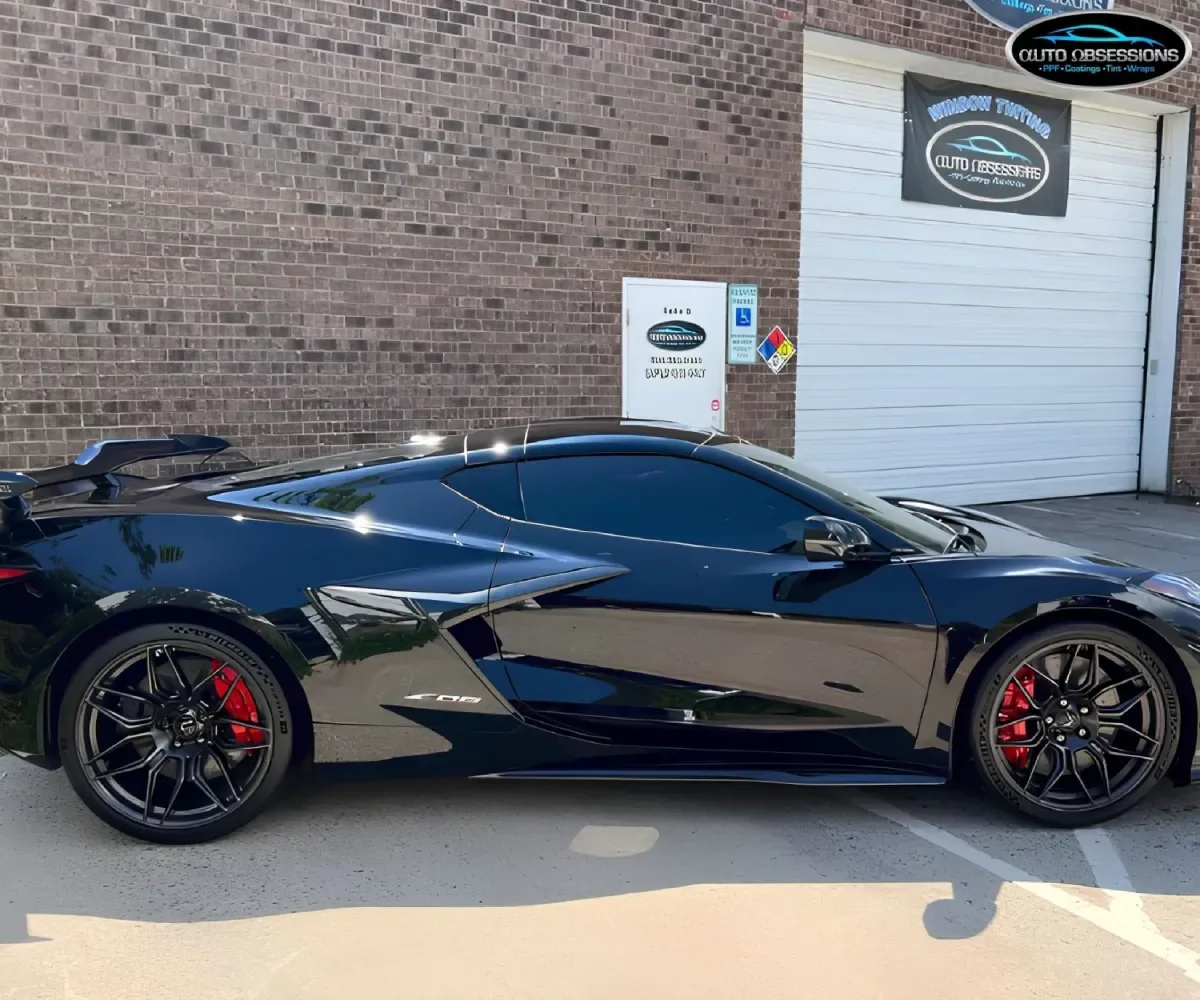
Professional window tinting can improve comfort without nearly black windows. The key is choosing film engineered to manage solar energy and infrared energy rather than relying on darkness. For Charlotte drivers facing humid summers and intense sunlight, the right window tinting solution can improve cabin comfort while preserving visibility.
Darkness Is Not the Same as Heat Rejection
Professional window tinting improves vehicle comfort without requiring nearly black windows. The key is choosing film engineered to manage solar energy and infrared heat rather than relying on darkness alone. For Charlotte drivers facing humid summers and intense sunlight, the right window tinting solution can help reduce cabin heat while preserving visibility.
How Modern Film Controls Solar Heat
Infrared and UV Filtering
Sunlight contains visible light, ultraviolet (UV) radiation, and infrared energy. UV protection helps limit exposure that contributes to fading and material deterioration. Infrared rejection addresses a source of heat entering through vehicle glass.
Advanced ceramic films use specialized, non-metallic materials to reduce infrared transmission. Performance varies by product, so compare manufacturer specifications rather than relying on labels such as “premium.” Ask for total solar energy rejection and infrared rejection figures.
Managing Glare and Cabin Comfort
Suitable film can soften glare from low morning or evening sun. This can make driving more comfortable on I-77, I-85, and Independence Boulevard, where changing light and reflective traffic demand attention. Film should not be so dark that it compromises visibility, especially at night.
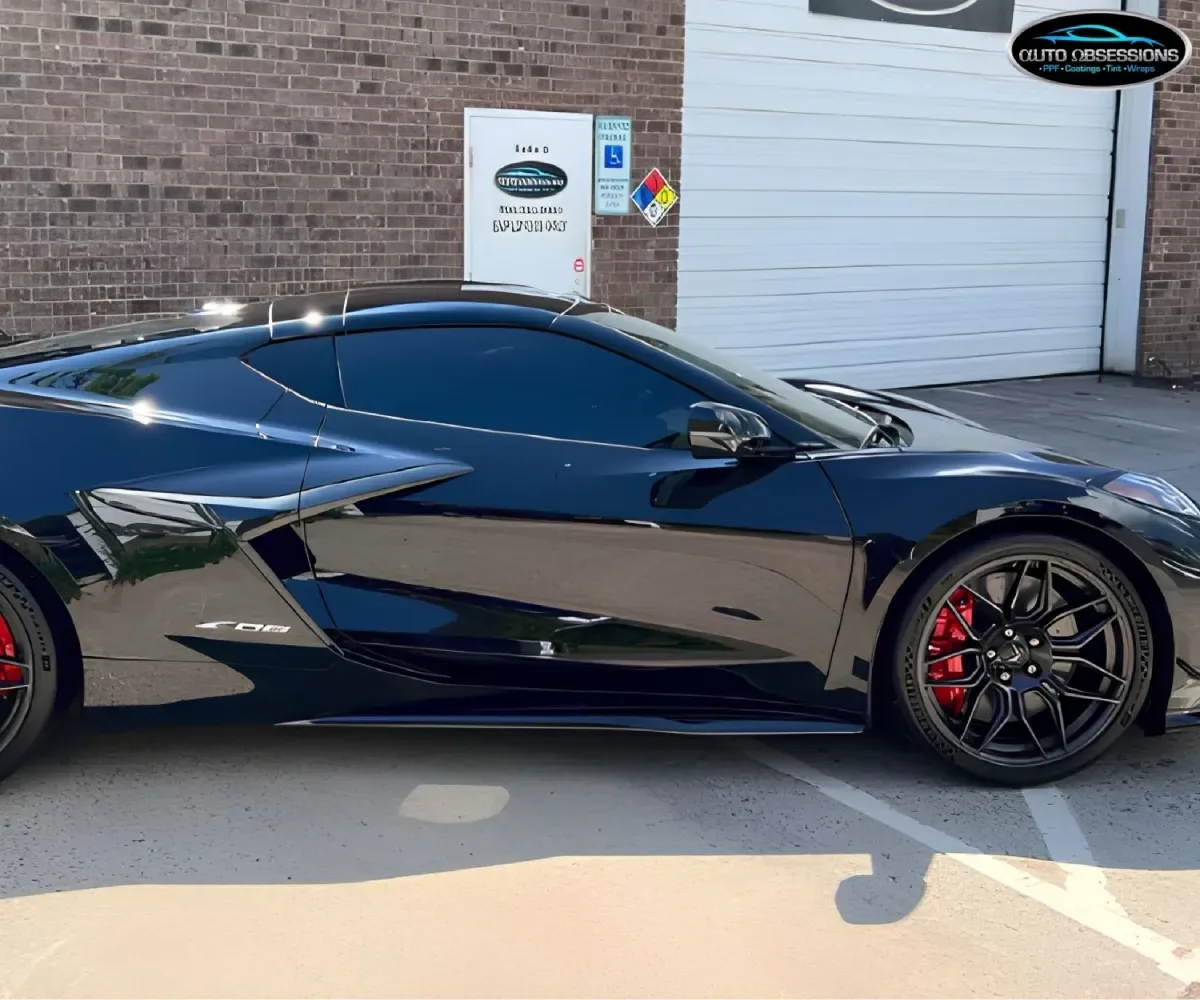
Choosing a Practical Shade in Charlotte
Consider where the vehicle is parked. A car left in an uncovered office lot receives prolonged direct sunlight, while a garage-kept vehicle experiences different exposure. Side and rear glass may receive sunlight at different angles throughout the day.
Before installation, compare film options by VLT, UV rejection, infrared performance, and total solar energy rejection. Check North Carolina's tint requirements for the vehicle class and window position; legal limits can differ. An installer can help balance compliance, visibility, and heat control.
Why Installation and Film Quality Matter
Even advanced film needs careful preparation. Clean glass, accurate pattern cutting, and consistent placement help reduce imperfections. Poor installation can cause contamination, peeling edges, or distracting defects.
Charlotte-based Auto Obsessions offers window tinting with premium Llumar film, according to its website. Drivers can discuss options and compare specifications before choosing a shade suited to their vehicle. The goal is comfort and protection, not simply a darker appearance.
For readers considering film durability, the related guide, Why Does Window Tint Fade Faster On Windows With Greater Sun Exposure, connects sun exposure with film aging and maintenance.
A Clearer Way to Stay Comfortable
Heat control does not have to mean sacrificing visibility. By comparing ratings, checking state requirements, and choosing quality installation, motorists can find a balanced solution. Explore options with Auto Obsessions and choose window film based on performance, not appearance alone.
Featured
Auto Obsessions – Paint Protection Film, Ceramic Coatings, & Window Tint
Matthews, NC
5.0 50 on Google
Matthews, NC
Contact Auto Obsessions – Paint Protection Film, Ceramic Coatings, & Window Tint
Thanks, your message was sent to Auto Obsessions – Paint Protection Film, Ceramic Coatings, & Window Tint.