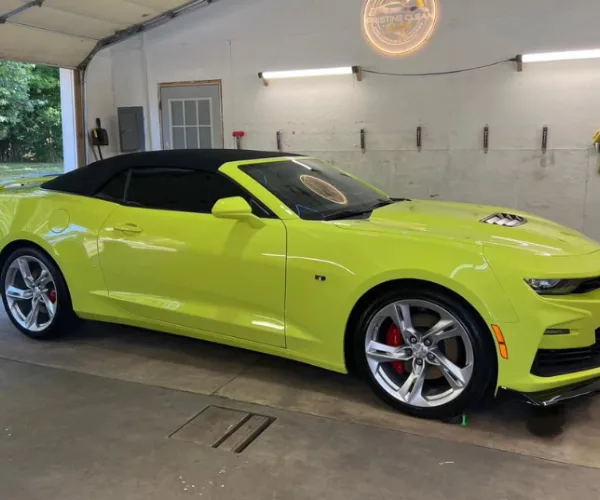
Paint correction can reduce or remove many paint defects, but it cannot safely erase every scratch or repair damaged clear coat. The deciding factor is how deeply damage reaches into the finish. Knowing the difference helps set expectations and choose the right remedy.
What Paint Correction Can Fix
Paint correction uses machine polishing and abrasive compounds to level tiny imperfections in the clear coat. It reduces swirl marks, light scratches, water spots, and mild oxidation.
Light Scratches Versus Deep Damage
A rough first check is the fingernail test: if a clean fingernail catches in a scratch, it may be too deep for polishing to remove safely. Scratches reaching the color layer or primer may require touch-up work or refinishing.
Removing excessive clear coat can weaken the finish and expose the basecoat. Good correction prioritizes preserving paint over eliminating every defect.
Oxidation and Clear Coat Failure
Surface oxidation can make paint look dull, chalky, or faded. Careful polishing may restore some color and reflection when the damage is limited to the surface. Peeling, cracking, cloudy patches, or widespread clear coat failure indicate coating damage, not ordinary oxidation. Polishing cannot replace missing clear coat; refinishing is generally necessary.
Westminster Driving and Everyday Paint Wear
Orange County commutes expose bumpers, hoods, mirrors, and rocker panels to road grit and airborne debris. Strong sun can also contribute to fading when vehicles sit outdoors. Automatic car washes, dirty mitts, and rushed drying may create fine swirl marks.
Rinse grit before contact washing, use a clean microfiber mitt, wash from top to bottom, and dry with a soft towel. Never wipe dust from dry paint; trapped particles can scratch the surface.
Where Paint Protection Film Fits In
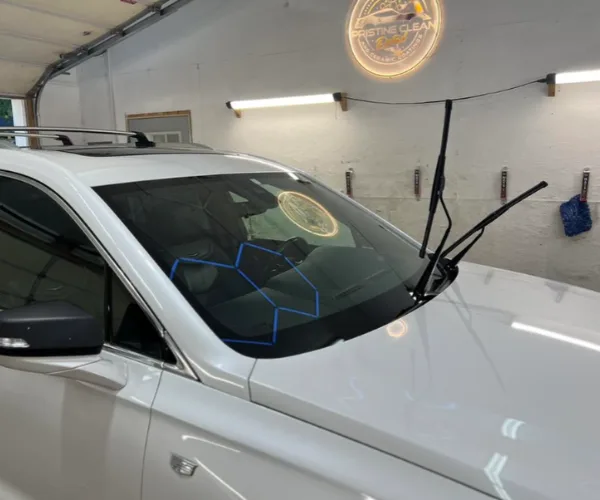
Paint correction and paint protection film (PPF) have different jobs. Correction improves existing paint; PPF is a transparent urethane film applied to painted panels to help guard against stone chips, road rash, and minor abrasion. It does not repair scratches underneath it.
Film on high-impact areas such as the hood, front bumper, fenders, and mirror caps can add a physical barrier. Assess the paint before installation because film can make existing defects harder to address later. Ceramic coating can help with cleaning, but it does not replace PPF against rock chips.
Choosing the Right Next Step
Pristine Clean Detail and Ceramic Coatings is a local option for Westminster-area drivers considering vehicle-finish care. Inspection lighting matters because direct sunlight can hide some defects and exaggerate others during assessment. Request a well-lit inspection and ask which defects are correctable, the risks, and the realistic improvement.
The takeaway: paint correction can improve light-to-moderate surface defects, but deep scratches and failing clear coat need another solution. Assess the damage first, correct only what can be safely improved, then consider paint protection film to defend vulnerable panels on future drives. Visit Pristine Clean Detail and Ceramic Coatings online to explore your vehicle-care options.
Featured
Pristine Clean | New Vehicle Ceramic Coatings/ Icon Rocklear/ PPF
Schoolcraft, MI
5.0 106 on Google
Schoolcraft, MI
Contact Pristine Clean | New Vehicle Ceramic Coatings/ Icon Rocklear/ PPF
Thanks, your message was sent to Pristine Clean | New Vehicle Ceramic Coatings/ Icon Rocklear/ PPF.