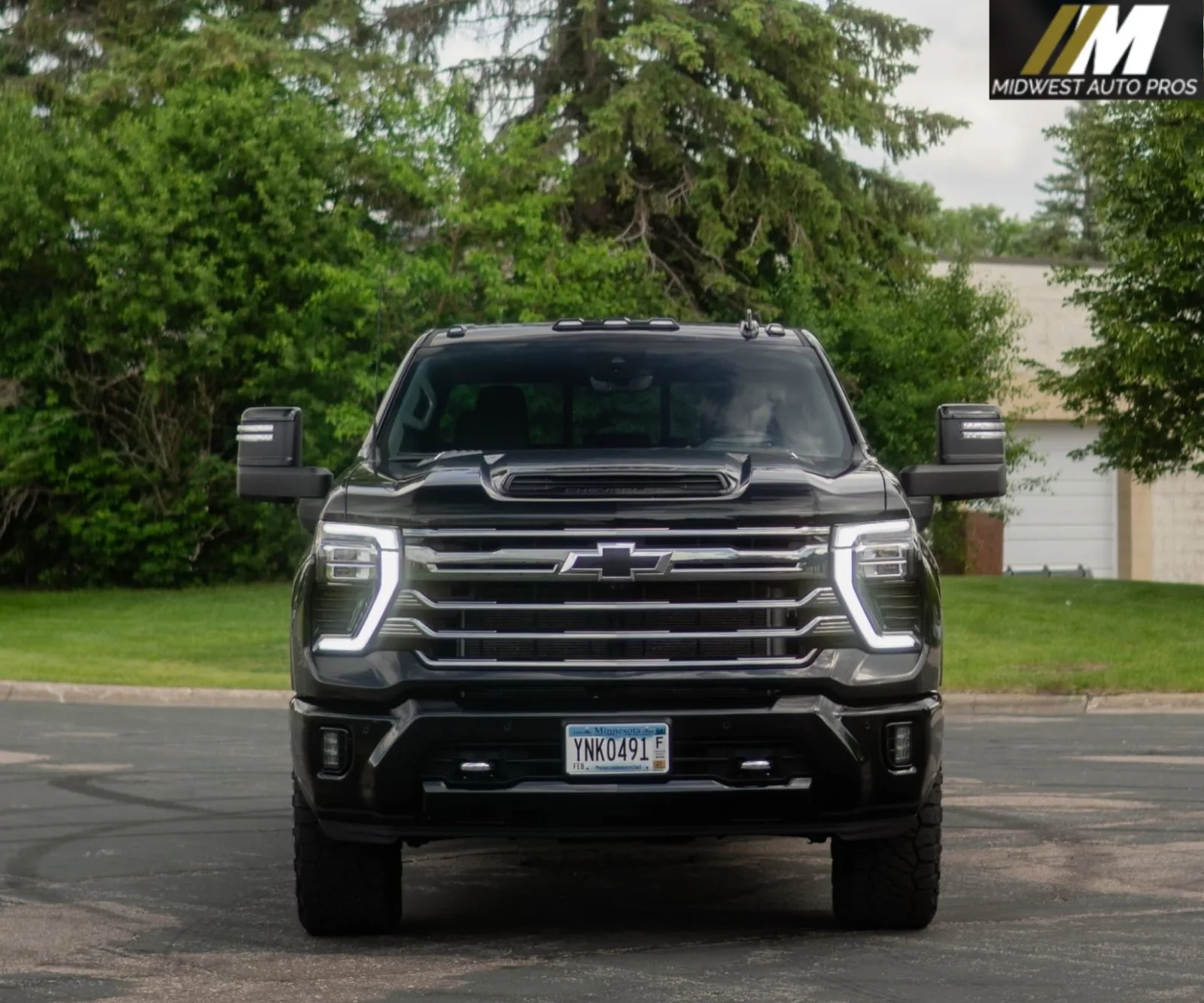
Window tinting can make daytime driving more comfortable, but its effect after dark depends on film shade, optical quality, and installation. Darker glass reduces the light entering a vehicle, which can make it harder to spot pedestrians, cyclists, road edges, and hazards at night. The safest choice balances glare control with clear outward visibility for Eden Prairie driving conditions.
Why Window Tinting Shade Matters After Sunset
Window tinting can affect nighttime visibility depending on the film's visible light transmission (VLT), optical quality, and shade. A lower VLT percentage means darker film and less light reaching the driver. The effect is most noticeable on unlit streets and in parking areas, where reduced light can make pedestrians, cyclists, road edges, and other hazards harder to recognize.
Glare Reduction Is Not the Same as Better Visibility
By day, film can reduce harsh sunlight and reflections. At night, quality film may soften distracting light, but it cannot eliminate glare from high beams, poorly aimed headlights, or reflective road signs.
Clean glass, adjusted mirrors, and functioning headlights remain essential. Avoid film so dark that it compounds the challenge of seeing through rain, fog, or an unlit intersection.
If glare is the main concern, first identify its source: windshield haze, scratched glass, dirty mirrors, or headlight alignment may be contributing. Tint cannot correct those problems and should not replace proper vehicle maintenance.
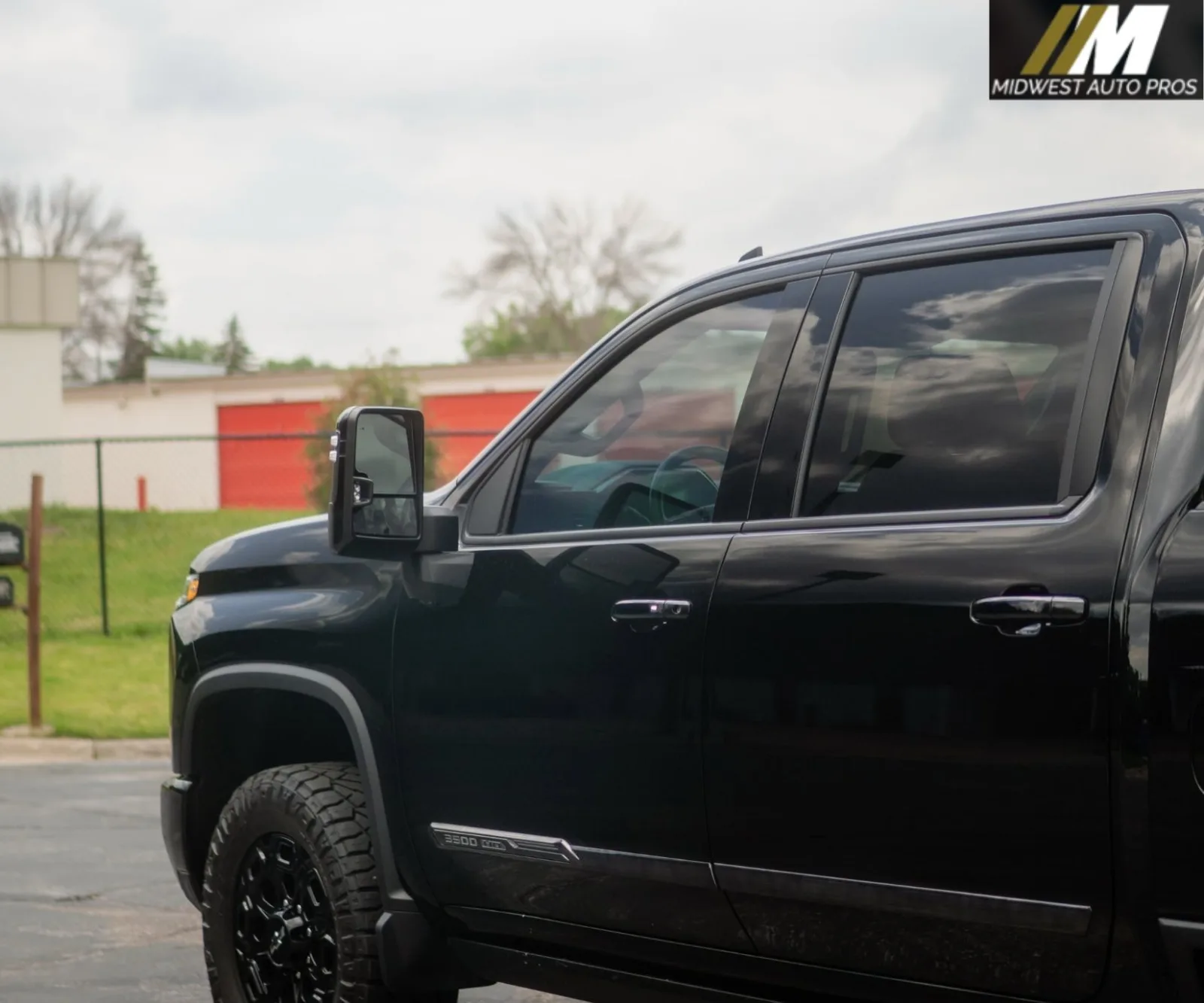
Consider Minnesota’s Driving Conditions
Eden Prairie drivers encounter early winter sunsets, snow-covered roads, wet spring pavement, and dark commutes. Snow can reflect headlight beams, while rain creates bright streaks and reflections. Visibility matters more than appearance.
Consider your regular driving schedule. Someone who regularly travels before sunrise or after dusk may prefer lighter film that preserves more visible light. Check Minnesota’s current window-tint requirements before installation; legal limits can differ by window and vehicle type.
Choosing Film With Safety in Mind
Ask About Performance, Not Just Darkness
Film technology and shade are separate considerations. Some modern films reduce heat and ultraviolet exposure without requiring an especially dark appearance. Ask about VLT, optical clarity, and nighttime performance.
Factory privacy glass and aftermarket film can affect visibility differently.
Local Guidance for a Clearer Drive
Midwest Auto Pros, based in nearby Chanhassen, installs automotive window tint designed to reduce glare and heat while maintaining clean factory sightlines. Drivers can discuss their habits, visibility priorities, and existing glass before choosing a shade.
For related cabin-protection information, read How Does Window Tinting Block Harmful UV Rays and Help Protect a Vehicle’s Interior From Fading. UV protection and nighttime visibility are different benefits, so film selection should account for both.
The Takeaway
choose tint for balanced performance, not darkness alone. Keep glass clean, confirm legal compliance, and prioritize clear sightlines on every trip. Contact Midwest Auto Pros to discuss window tint options for your vehicle.
Featured
Contact Midwest Auto Pros
Thanks, your message was sent to Midwest Auto Pros.