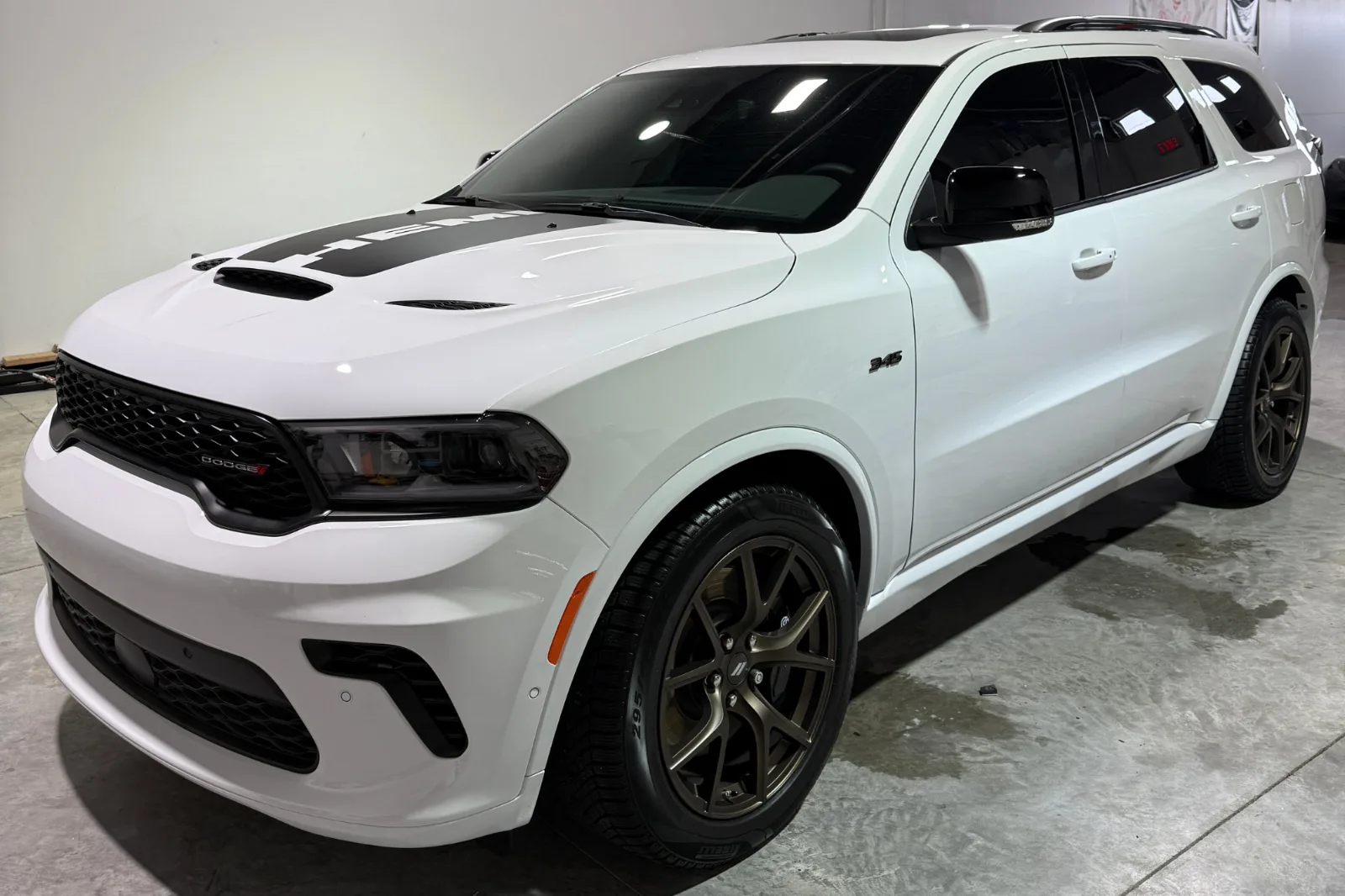
Window tinting can affect visibility through glass with built-in sensors if the film interferes with the area those systems use to detect light, read information, or communicate with the vehicle. The impact depends on the sensor's location, the type of glass, and the film selected. Before installation, drivers should identify which sensors are integrated into their windows and confirm that the tint is compatible with the vehicle's equipment.
Where Are Sensors Located in Vehicle Glass?
Modern vehicles may have cameras, light sensors, rain sensors, and other driver-assistance components positioned near the windshield or behind specific glass sections. Some systems use the windshield to monitor road conditions, detect rainfall, adjust headlights, or support safety features. When considering window tinting, identifying these components is an important step before installation.
Why Does Sensor Placement Matter?
A sensor needs a clear operating area to perform its intended function. Applying film over a camera lens, sensor window, or designated detection area may interfere with its operation. Even when the tint looks clear to the driver, its optical properties can affect how light passes through the glass.
This is why installers should check the vehicle manufacturer's guidance and identify sensor locations before choosing a film or planning its placement. Tint should not cover restricted areas unless the manufacturer specifically permits it.
Can Different Tint Films Affect Sensor Performance?
Window films vary in visible light transmission, color, construction, and optical characteristics. A darker film reduces the amount of visible light entering the cabin, while some specialty films are designed to manage solar energy without significantly darkening the glass.
However, no film should be assumed compatible with every sensor system. The correct choice depends on the vehicle and the location of its equipment. Drivers should also avoid aftermarket modifications that obstruct cameras or interfere with required sensor functions.
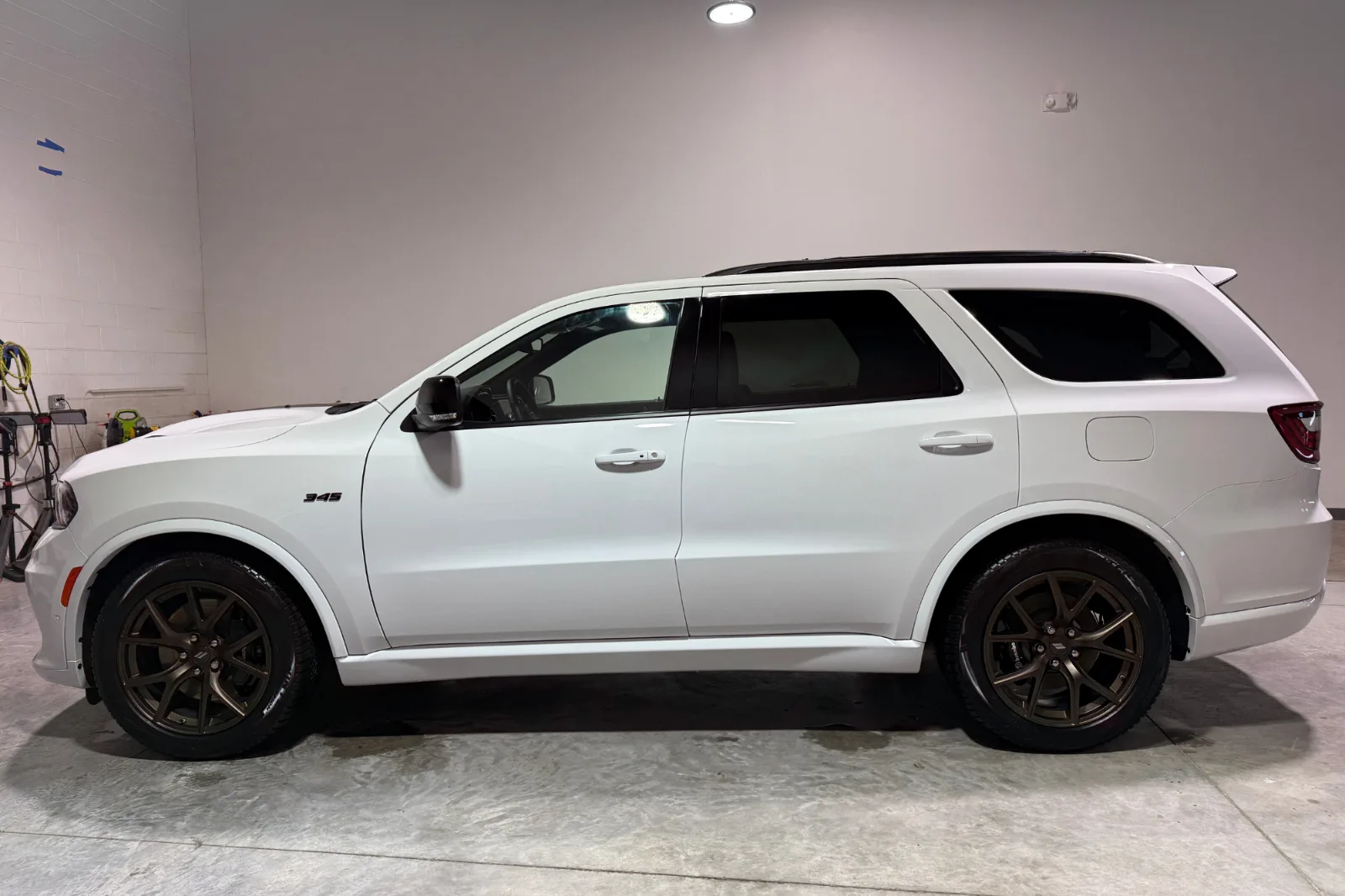
What Should Shelby Township Drivers Consider?
Michigan drivers deal with changing daylight, winter precipitation, and early morning or evening commutes. Rain-sensing wipers and automatic lighting can be particularly useful when weather and visibility conditions change quickly.
Before scheduling window tinting, Shelby Township owners should mention any windshield cameras, rain sensors, or other glass-mounted equipment. This allows the installer to review the vehicle's configuration and avoid restricted areas.
How Does Michigan's Window Tint Law Affect Film Placement?
Choosing window tint involves more than sensor compatibility. Michigan law restricts tint applications on the windshield and front side windows, with specific allowances for certain areas and rear windows. Drivers should understand these rules before selecting a film shade or installation location. For a breakdown of the requirements, read Michigan Window Tint Law: What Is Legal on Each Window.
A Careful Approach to Window Tinting
K&D Auto Spa - Detailing serves drivers interested in vehicle appearance and window tinting in Shelby Township. Discussing sensor placement and film compatibility before installation helps ensure that appearance improvements do not compromise important vehicle functions.
The Takeaway
Window tinting requires more than choosing a shade. Sensor locations, glass design, and film compatibility all matter. For information about service options, visit K&D Auto Spa - Detailing.
Featured

K&D Auto Spa - Detailing, Ceramic Coating, PPF
Shelby Township, MI
4.9 322 on Google
Shelby Township, MI
Contact K&D Auto Spa - Detailing, Ceramic Coating, PPF
Thanks, your message was sent to K&D Auto Spa - Detailing, Ceramic Coating, PPF.