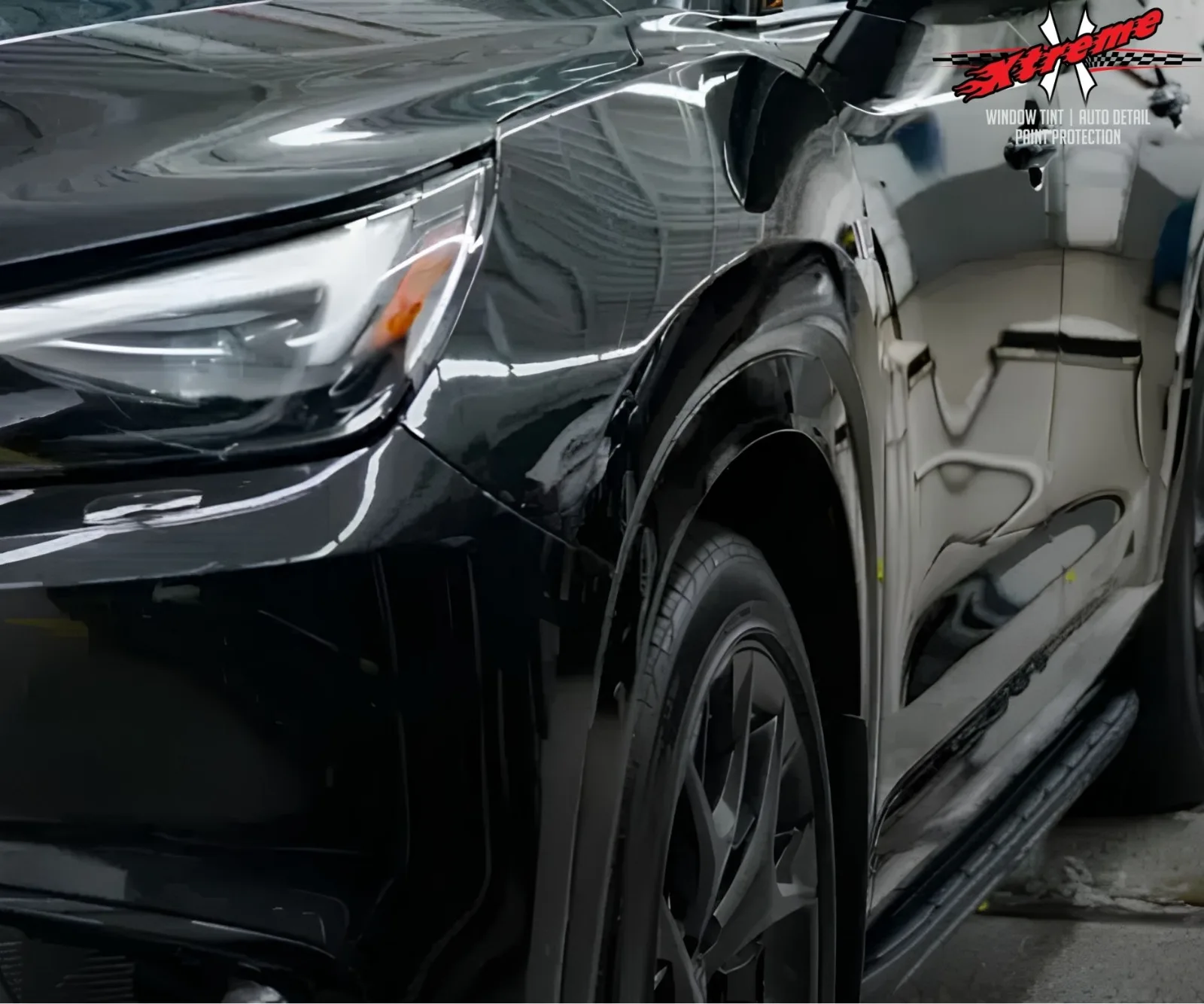
Ceramic coating can enhance a vehicle’s gloss and make routine cleaning easier, but improper application may leave behind high spots, streaks, and uneven reflections. These defects often develop when the coating is not leveled correctly, excess product remains on the paint, or environmental conditions interfere with curing. Understanding these issues helps drivers make informed decisions about professional paint protection.
What Causes Ceramic Coating Imperfections?
Ceramic coating forms a protective layer over automotive paint. However, the product must be applied according to its instructions. Timing, surface preparation, and application technique all influence the final appearance.
High Spots and Visible Residue
High spots appear as cloudy patches, darker marks, or areas with unusual reflections. They typically occur when excess coating begins bonding before the installer fully levels it. Once cured, these deposits may become difficult to correct.
Streaks and Uneven Gloss
Streaking can result from inconsistent product distribution, missed leveling, or unsuitable working conditions. If some sections receive more coating than others, the finish may reflect light unevenly. Contamination, including leftover polishing oils, can also interfere with uniform application.
Why Application Conditions Matter
Temperature, humidity, airflow, and direct sunlight can affect how quickly a coating flashes and cures. Working on excessively warm panels may shorten leveling time, while unsuitable humidity can change product behavior depending on the formulation.
For drivers around Addison, Illinois, seasonal temperature changes make controlled application particularly important. Vehicles exposed to freezing winter conditions or summer heat may need time to stabilize before preparation begins. Road salt, grime, and other contaminants also make thorough washing essential.
How Professionals Help Prevent Defects
Preparation Comes First
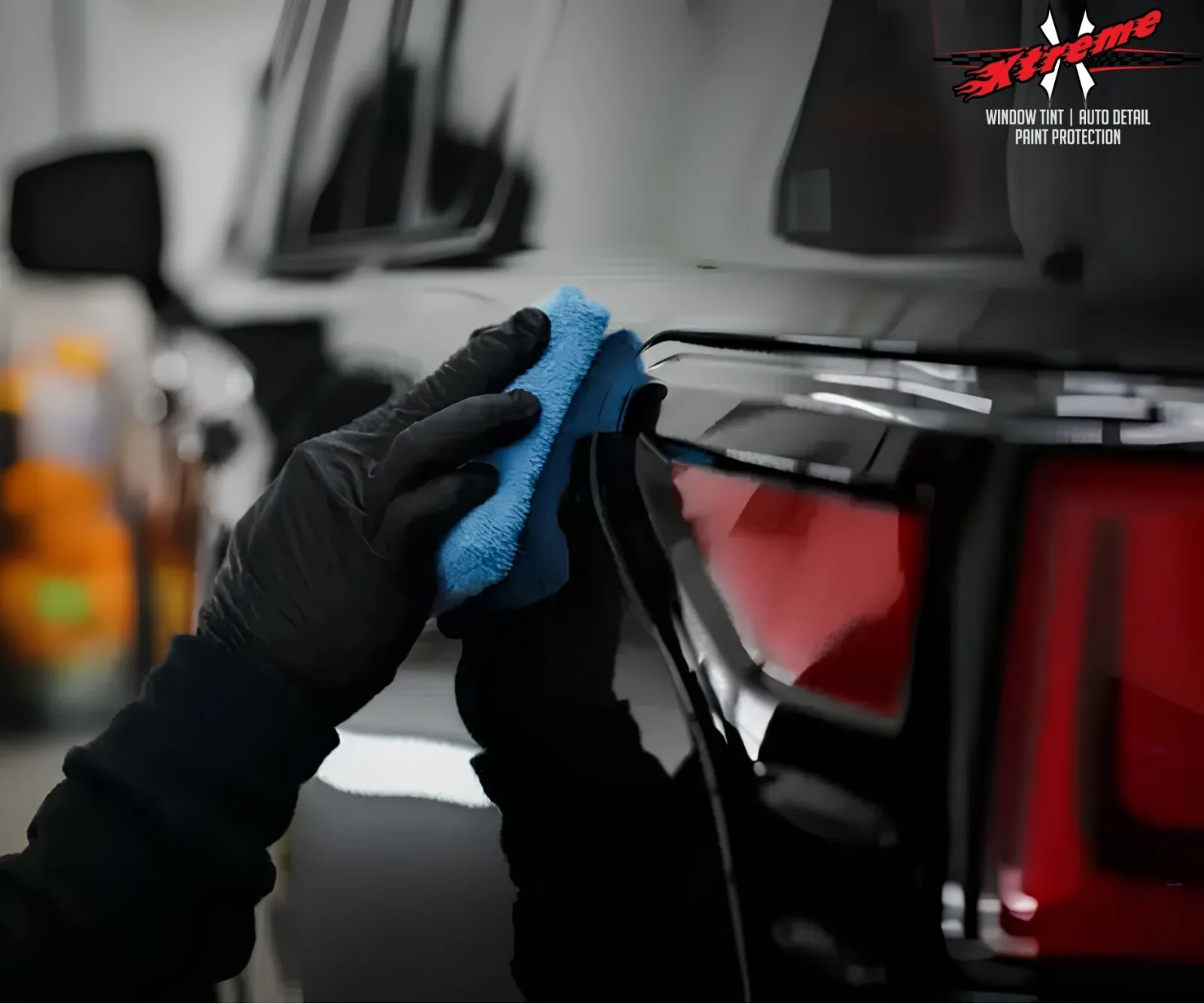
Before applying ceramic coating, the paint should be thoroughly cleaned and dried. Depending on its condition, the vehicle may also need decontamination or paint correction. Removing bonded contaminants and addressing existing defects helps create a more consistent surface.
Controlled Application and Inspection
Installers should follow manufacturer instructions for coverage, flash time, leveling, and curing. Working in manageable sections and inspecting the paint under suitable lighting helps reveal residue before it hardens.
Proper aftercare matters, too. For additional guidance on paint protection, explore Does Ceramic Coating Make Scratches Easier To Remove to understand the coating’s limitations when dealing with surface damage. Ceramic coatings do not eliminate scratches or make every scratch easier to remove.
When Should High Spots Be Corrected?
Fresh residue may sometimes be leveled within the product’s working window. Fully cured high spots often require careful polishing and potentially recoating. Aggressive DIY correction can unnecessarily remove clear coats, so professional assessment is advisable.
Choosing Ceramic Coating in Addison
Xtreme Auto Glass & Window Tint serves drivers in Addison, Illinois. Vehicle owners considering ceramic coating should ask about preparation, application conditions, inspection procedures, and aftercare before choosing a provider.
Ultimately, ceramic coating results depend on more than the product itself. Proper preparation, controlled application, and timely leveling help prevent high spots, streaks, and uneven gloss while supporting a cleaner, more consistent finish.
Featured
Xtreme Auto Glass, Window Tint, Ceramic Coating, and PPF
Addison, IL
4.9 1,142 on Google
Addison, IL
Contact Xtreme Auto Glass, Window Tint, Ceramic Coating, and PPF
Thanks, your message was sent to Xtreme Auto Glass, Window Tint, Ceramic Coating, and PPF.