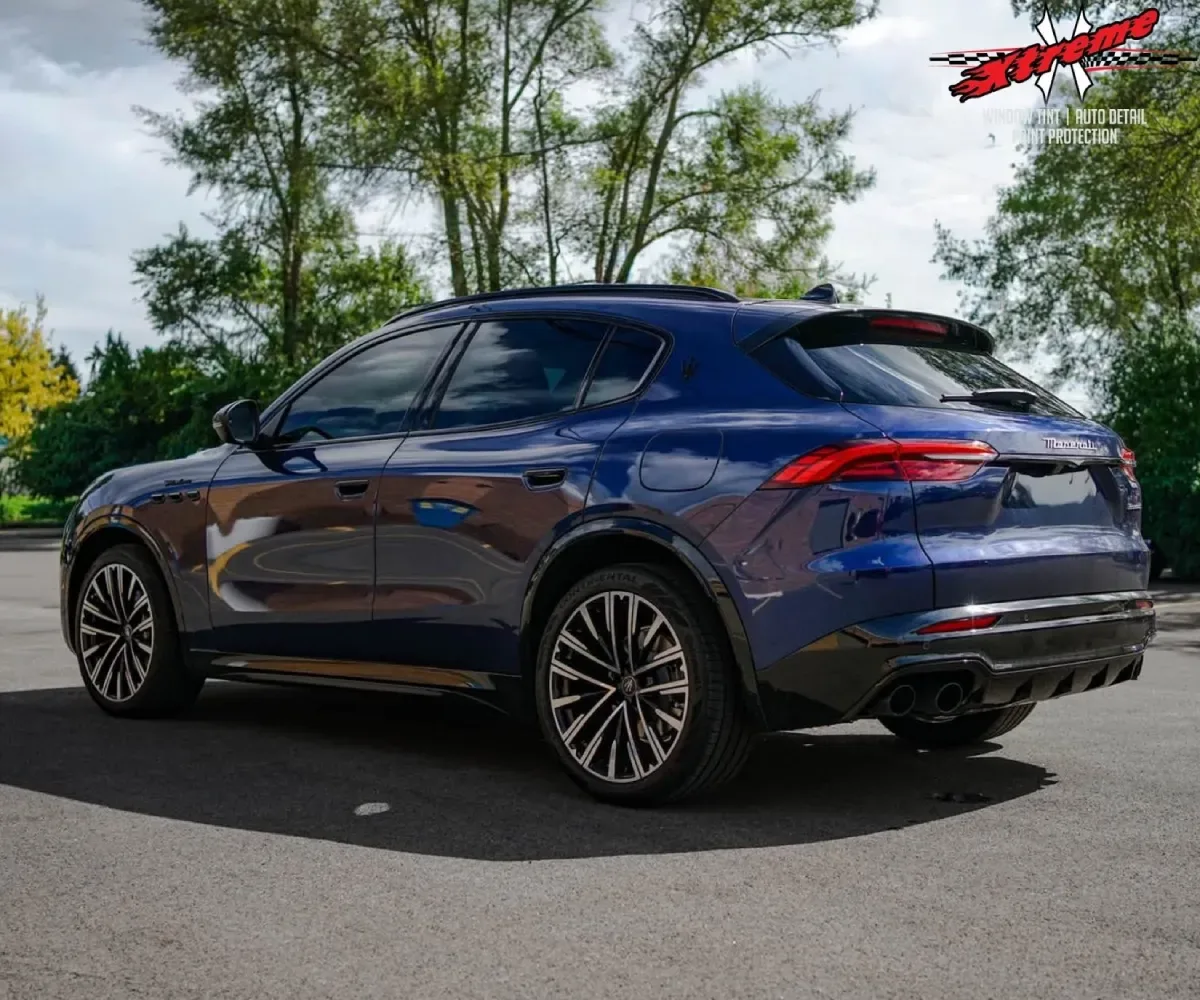
Window tinting helps protect a vehicle’s interior by reducing sunlight and ultraviolet (UV) radiation entering through its glass. Repeated exposure can fade leather, dry certain materials, discolor plastic trim, and make cabin surfaces hotter. For Elmhurst drivers, tint can help preserve an interior.
Why Sunlight Changes Interior Materials
Window tinting helps limit the effects of repeated sunlight exposure inside a vehicle. UV radiation contributes to the breakdown of dyes, pigments, and protective finishes. Leather may lose color or become dry over time, especially where sunlight repeatedly reaches a seat or dashboard. Vinyl and plastic trim can also fade, while some surfaces become more prone to cracking as heat and age take their toll.
A parked vehicle with uncovered glass can experience substantial solar exposure, even when the weather feels mild.
How Window Tint Adds Protection
Reducing UV Exposure
Automotive films filter portions of the sun’s radiation. Many films block a high percentage of UV rays, limiting one contributor to fading and material deterioration. Performance depends on film specifications, installation, and the glass being covered, so compare documented UV rejection rather than choosing by darkness alone.
Managing Solar Heat
Some films reduce solar energy entering the cabin. Limiting heat buildup can make the interior more comfortable and reduce repeated heating of dashboards, steering wheels, seats, and door panels.
Protecting More Than Leather
Leather benefits from shade and appropriate conditioning; dashboards and door panels may use vinyl, coated plastics, or soft-touch finishes. Tint reduces exposure across these surfaces, but does not replace cleaning or conditioning.
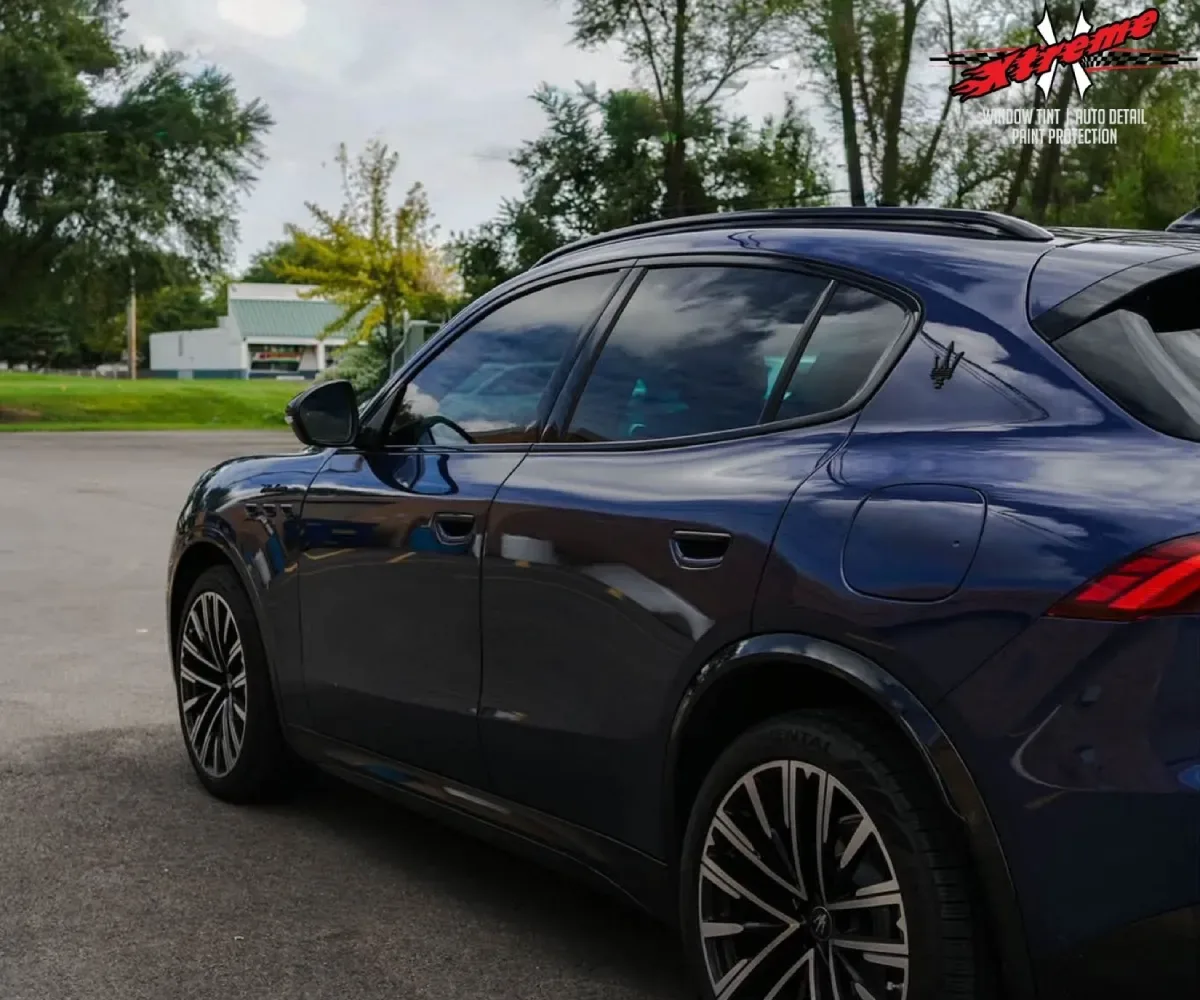
Everyday Protection Around Elmhurst
Local driving often includes open parking lots, residential streets, and trips along I-290, I-294, and North Avenue. Vehicles left outside receive prolonged exposure through side and rear windows.
Drivers can support tint by using a windshield sunshade, cleaning surfaces with material-approved products, and parking in shade when practical. Avoid harsh household cleaners, which may strip protective finishes.
Choosing Tint With Interior Care in Mind
Darkness is not the only measure of performance. Ask about UV rejection, total solar energy rejection, visible light transmission, and Illinois window-tint regulations. Factory-tinted rear glass may already reduce visible light, so choosing added film requires checking the existing glass rather than guessing from appearance.
For related guidance, read How Do You Identify The Correct Window Tint Shade For A Vehicle With Factory-Tinted Glass when considering how new film will work with existing factory tint.
Elmhurst motorists can speak with Xtreme Auto Glass & Window Tint about film options for their vehicle and priorities. A suitable choice should balance interior protection, visibility, comfort, and legal requirements.
A Practical Takeaway
Window tint can help slow UV-related fading and reduce solar heat, but works best alongside regular interior care. Understanding film performance before choosing a shade helps protect the cabin without sacrificing clear visibility.
Featured
Xtreme Auto Glass, Window Tint, Ceramic Coating, and PPF
Addison, IL
4.9 1,142 on Google
Addison, IL
Contact Xtreme Auto Glass, Window Tint, Ceramic Coating, and PPF
Thanks, your message was sent to Xtreme Auto Glass, Window Tint, Ceramic Coating, and PPF.