On a bright Johns Creek afternoon, a parked car can quickly become uncomfortable, while sunlight can make commutes tiring. Professional window tinting helps manage both problems by reducing solar heat and glare entering the cabin. For Johns Creek drivers traveling local streets or heading toward Buford and Atlanta, the right film can make everyday driving more comfortable.
Understanding Heat, Light, and Window Film
Sunlight carries visible light, ultraviolet (UV) radiation, and infrared energy. Window film manages portions of this energy, although performance varies by product and specifications.
Not All Tint Works the Same Way
A darker appearance does not automatically mean better heat rejection. Dyed films mainly change appearance and reduce visible light. Ceramic and other advanced films can reject substantial infrared energy while maintaining a lighter shade. Compare visible light transmission (VLT), solar energy rejection, and UV protection rather than judging film by darkness alone.
Why Glare Control Matters on Local Roads
Glare can reduce visual comfort when sunlight strikes glass at a low angle. Around Johns Creek, changing sun positions along Peachtree Industrial Boulevard and Highway 20 can create bright conditions during morning and evening drives. A suitable tint can soften harsh light, but it must not compromise visibility at night.
Clean glass and attentive driving remain essential.
A Practical Investment Beyond Appearance
By limiting solar heat entering the cabin, window film may help the air-conditioning system cool the interior after a vehicle has been sitting in the sun. Results depend on the vehicle, glass area, film type, parking conditions, and weather. Tint does not eliminate heat or guarantee lower fuel use.
UV filtering can also help reduce sun-related fading of dashboards, seats, and trim. Added privacy is another benefit, though the shade should still allow clear views into and out of the vehicle.
Choosing Film and an Installer
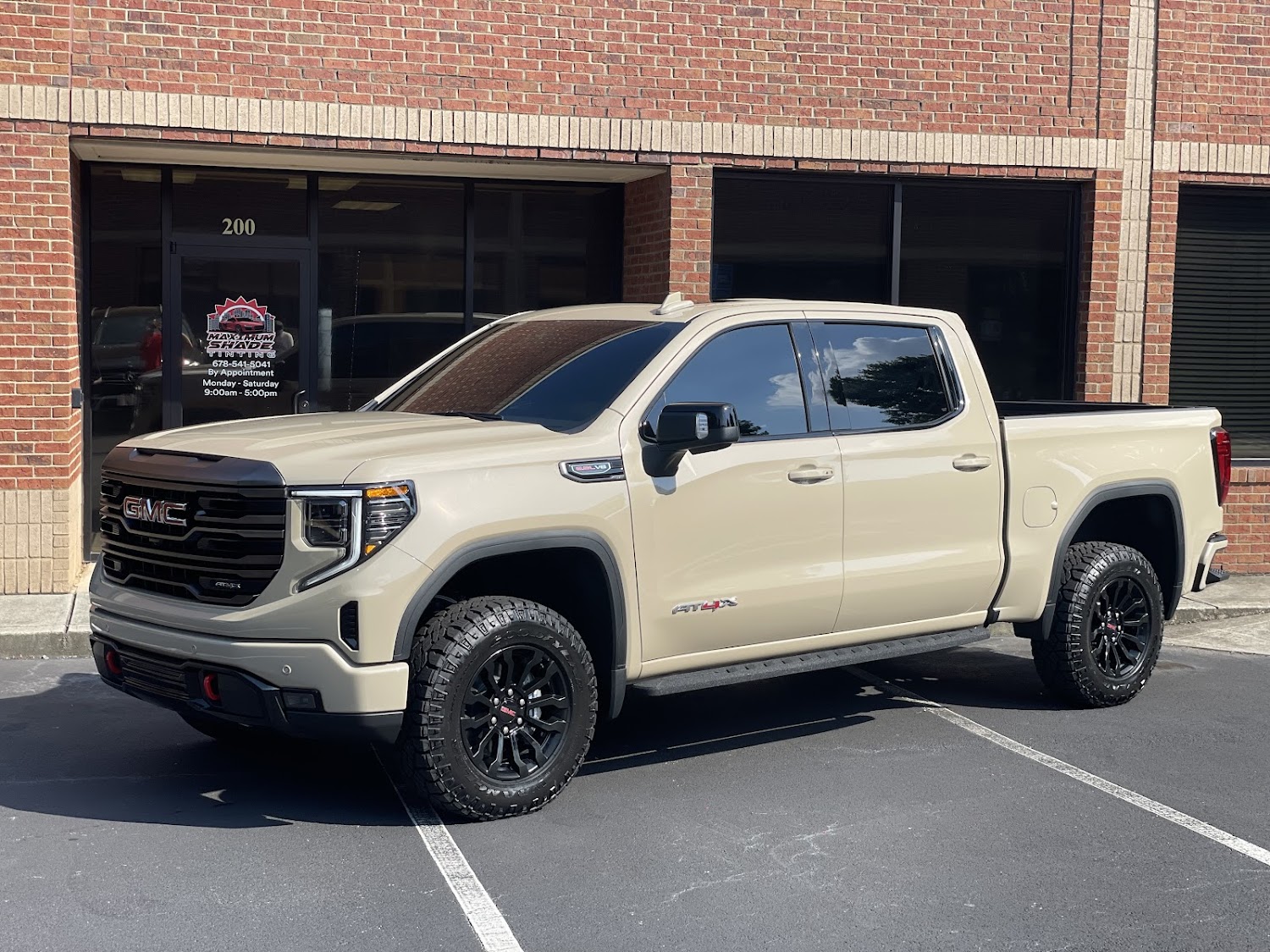
Consider your usual driving hours, sensitivity to glare, and preferred appearance. Maximum Shade Tinting can help you compare available film samples and review technical specifications. Ask how each film performs on factory-tinted glass, whether windows need different shades, and what documentation explains its heat-rejection ratings before making a confident decision for your vehicle.
Confirm that the selected shade complies with Johns Creek's current window-tint laws, including visible-light-transmission requirements. Rules differ by window location, so one shade is not automatically legal everywhere.
Professional installation matters: careful glass preparation, accurate cutting, and clean application help prevent contamination, peeling, and distracting imperfections. With Maximum Shade Tinting, ask about proper aftercare and when windows can safely be rolled down after installation.
A Local Resource for Johns Creek Drivers
Maximum Shade Tinting seeking window tinting, with automotive film options that include LLumar products. Discussing the available films with the installer can help match performance, shade, and legal requirements to your driving needs.
A smart tint decision considers measurable performance, safe visibility, and quality installation, not simply dark glass. Explore Maximum Shade Tinting's Johns Creek window tinting page and request an estimate before choosing a film.
Featured
Contact Maximum Shade Tinting
Thanks, your message was sent to Maximum Shade Tinting.