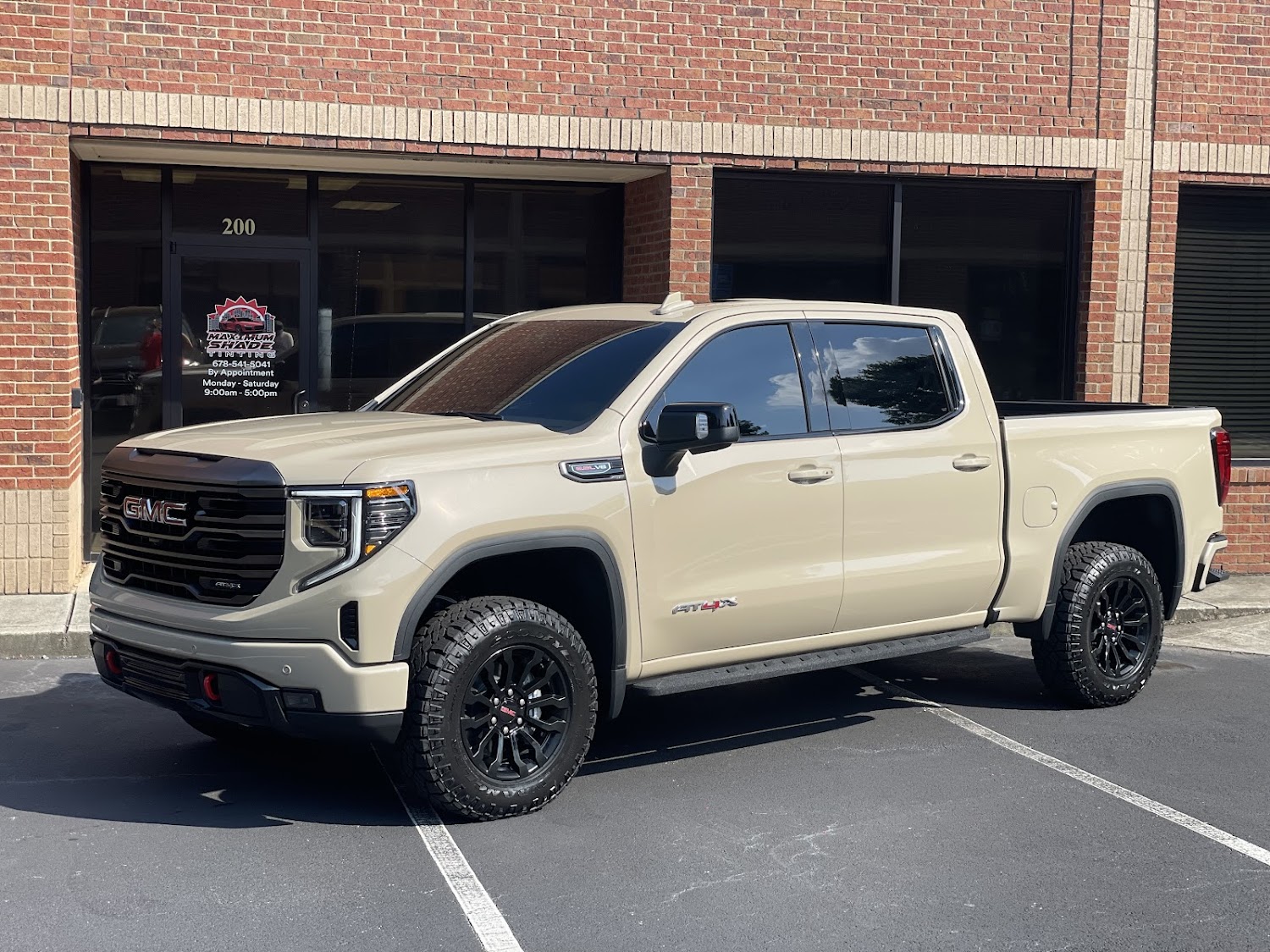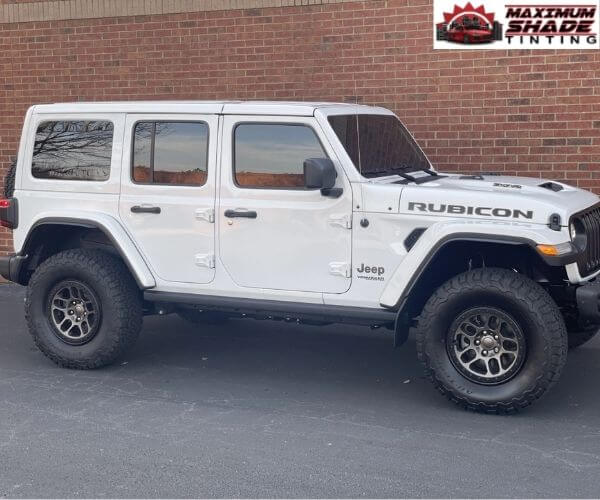
Georgia drivers know how quickly a parked vehicle can heat up under direct summer sun. Yet the amount of heat a window film reduces depends on more than how dark the glass looks. Film construction, solar energy rejection, glass characteristics, installation, and even the angle of incoming sunlight all influence cabin comfort.
The Film’s Solar Performance Matters
Look Beyond Visible Darkness
Window tinting is often judged by visible light transmission (VLT), which describes how much visible light passes through the glass. A lower VLT generally means a darker appearance, but darkness alone does not tell you how effectively a film manages solar heat.
More useful specifications include infrared rejection and total solar energy rejected. These measurements help indicate how much of the sun’s energy the film can keep from entering the cabin. A lighter film can therefore provide meaningful heat reduction without creating the darkest possible appearance.
Glass, Vehicle Design, and Sun Exposure
The vehicle also affects results. Factory glass varies in color, thickness, construction, and existing solar-control properties. Windshield, side-window, and rear glass can receive sunlight at different angles, while the windshield often has a large surface area exposed to direct radiation.
Cabin temperature is also influenced by vehicle orientation and parking conditions. A car facing the afternoon sun can experience a different heat load than one parked in shade. Dark interiors, exposed dashboards, and limited airflow can further contribute to perceived heat.
Around Suwannee, these factors become noticeable during hot, sunny commutes, errands, and outdoor parking.
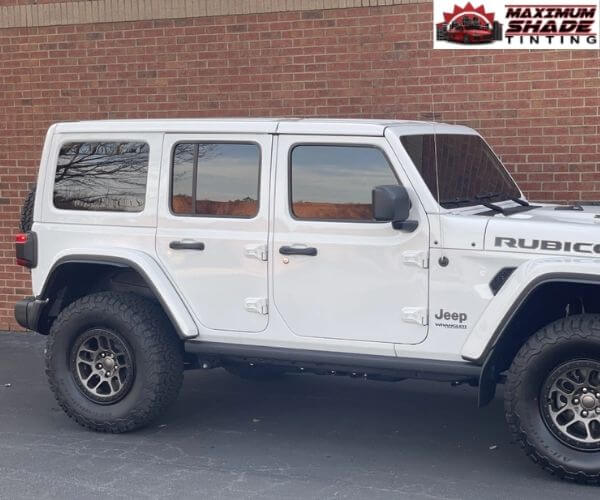
Film Type and Installation Quality
Different film technologies manage solar energy differently. Dyed, metalized, carbon, and ceramic films can have different heat-control characteristics, appearance, signal compatibility, and optical qualities. Comparing the product’s technical specifications is more useful than choosing based solely on shade.
Installation also matters. Properly prepared glass and accurately applied film help maintain consistent coverage. Gaps, contamination, bubbles, or poor adhesion can affect appearance and may interfere with the intended performance.
Consider Your Driving Routine
Think about when and where the vehicle is used. If the cabin receives strong afternoon sun, prioritize substantial solar energy rejection. If nighttime visibility, appearance, or electronic signal compatibility is a major concern, those factors should be part of the decision too.
How Maximum Shade Tinting Fits In
Maximum Shade Tinting serves Suwannee-area vehicle owners looking into window tinting with these considerations in mind. Discussing the vehicle, glass, desired appearance, and heat-control goals can help drivers compare appropriate film options rather than assuming the darkest shade will provide the most comfort.
The Takeaway
Effective heat reduction comes from the film’s solar performance, the vehicle’s glass, sunlight exposure, and installation quality, not simply tint darkness. Understanding those variables makes it easier to choose a window film suited to Georgia driving conditions.
For local drivers considering window tinting, Maximum Shade Tinting can help you evaluate options based on your vehicle and everyday use. Visit the website to learn more and explore tinting solutions.