Heat rejection and UV protection are two different functions of window tint. Heat rejection helps reduce the amount of solar energy entering a vehicle, while UV protection blocks ultraviolet radiation that can contribute to interior fading and sun exposure.
How Does Heat Rejection Work In Window Tint
Heat-rejecting window film is designed to reduce the amount of solar energy that passes through automotive glass. Depending on the film, this can involve reflecting or absorbing infrared and other solar energy before it enters the cabin.
The practical difference is most noticeable when a vehicle sits in direct sunlight. Less solar energy entering through the glass can help reduce heat buildup inside. This can be particularly useful during hot, sunny drives or when a vehicle is parked outdoors.
What Does UV Protection Do
UV protection focuses specifically on ultraviolet radiation rather than cabin temperature. Quality automotive window tint films can block a substantial amount of UV radiation from passing through the glass.
This matters for more than personal comfort. Repeated UV exposure can contribute to fading, discoloration, and deterioration of interior materials such as upholstery, dashboards, and trim.
Is Heat Rejection The Same As UV Protection
No. A tint can provide UV protection without offering the same level of heat rejection, because the two features address different parts of solar radiation.
| Feature | Primary Purpose |
| Heat rejection | Reduces solar energy entering the cabin |
| UV protection | Blocks ultraviolet radiation |
| Visible light transmission | Determines how much visible light passes through |
This is why comparing window films solely by darkness can be misleading. A darker appearance does not automatically indicate stronger heat rejection or UV performance.
How Should Drivers Choose Window Tint
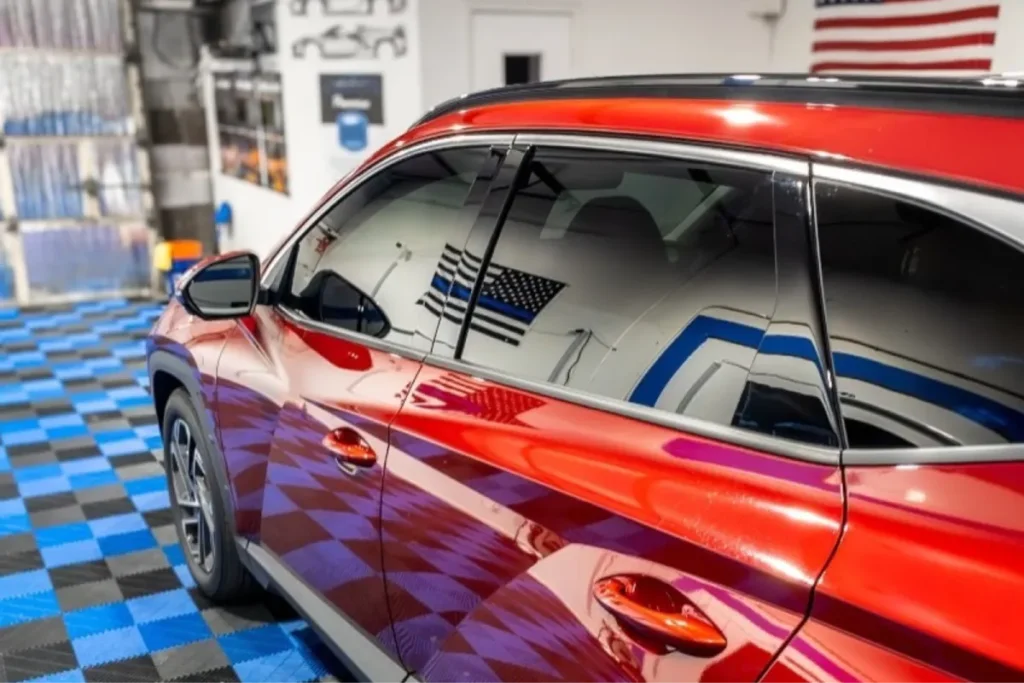
Consider how and where the vehicle is normally driven. Someone who frequently parks outside or travels during intense sunlight may place greater emphasis on heat-rejection performance. Drivers concerned about protecting interior surfaces may prioritize strong UV protection.
Cost can also factor into the decision, particularly for people who use their vehicle every day. If you are weighing film quality, comfort, and long-term value, Is Premium Automotive Window Tint Worth The Investment For Daily Drivers can provide additional context before choosing a film.
It is also worth checking the film's technical specifications rather than judging performance by appearance alone. Window film technology can provide different combinations of visible light transmission, solar energy reduction, and UV protection.
For local drivers considering these factors, Sharkey's Detailing & Tint LLC provides window tinting services in the area, giving drivers a chance to discuss their priorities before selecting a film.
The Takeaway
Heat rejection and UV protection serve different purposes, but both can contribute to a more comfortable and better-protected vehicle interior. Understanding what each feature does helps you choose window tint based on actual driving needs rather than tint darkness alone.