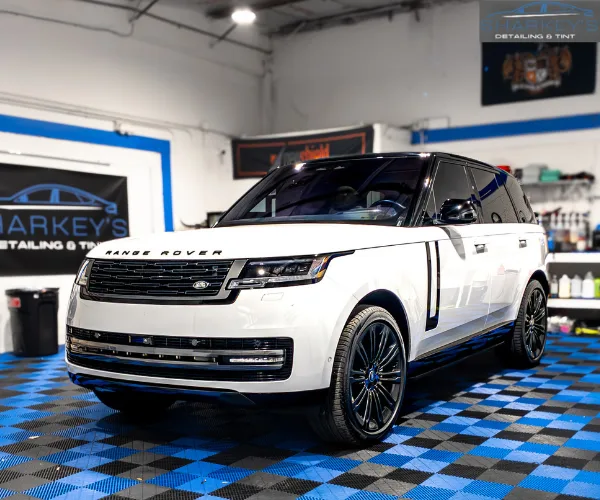
Window tint can improve driving comfort by reducing visible light entering a vehicle and softening glare from direct sunlight and reflective surfaces. In Sarasota, bright skies, water, glass buildings, and pavement create changing light conditions. The right film can make daily trips easier on the eyes, but it should not replace safe driving habits and clear visibility for drivers.
Why Glare Becomes a Driving Problem
Glare occurs when intense light overwhelms the eyes or creates distracting contrast. Sunlight may shine through the windshield or side windows, while reflected light bounces from water, storefronts, vehicles, and pavement. These conditions can make lane markings, signals, pedestrians, and traffic harder to see.
Drivers encounter shifting light on US 41, coastal routes, and shaded streets opening onto bright intersections. Low morning and late-afternoon sun can be uncomfortable because it enters at a shallow angle. A clean windshield helps, but cannot eliminate intense glare.
How Window Film Helps
Reducing Brightness Inside the Cabin
Window tint filters incoming visible light. Lowering overall brightness can soften sunlight entering through side and rear glass and help eyes adjust when a vehicle moves between bright and shaded areas.
Tint does not erase every reflection or block all windshield glare. Its effect depends partly on visible light transmission (VLT), the amount of visible light passing through glass. Darker film generally allows less light through, but darkness alone does not determine quality or suitability.
Considering Heat and UV Protection
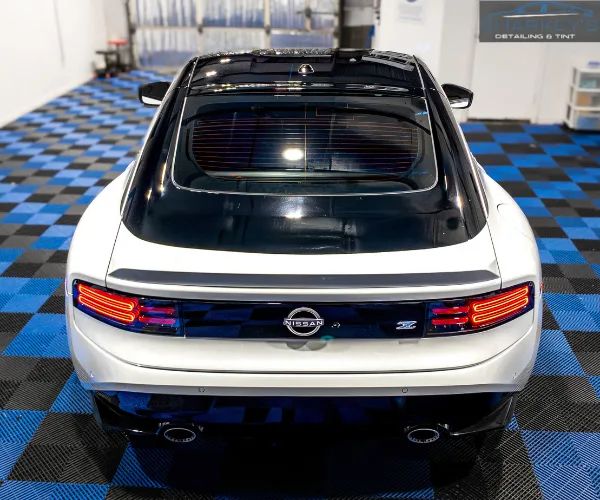
Many automotive films also reject solar heat and ultraviolet radiation. Reducing heat entering through glass can make the cabin more comfortable during Florida’s warm months. UV filtering can help limit exposure and fading of interior materials. Performance varies, so compare specifications instead of assuming every product offers identical benefits.
Choosing Tint Without Sacrificing Visibility
A sensible choice balances comfort, visibility, and legal requirements. Very dark film may make it harder to see through windows at night, in rain, or in dim parking areas. Consider driving times, whether the vehicle is used for commuting or family travel, and how often it sits outdoors.
Florida’s tint rules set limits that vary by window and vehicle type. Confirm requirements before installation. For more detail, read “How Dark Can a Window Tint Be? Understanding Legal Tint Limits by Vehicle Type.” This guide explains why a shade suitable for one window or vehicle may not suit another.
A Local Conversation About Comfort
Sharkey's Detailing & Tint LLC serves Sarasota-area drivers exploring ways to make their vehicles more comfortable. A helpful discussion should cover film options, VLT, heat rejection, visibility, and intended use, not just how dark the glass will look.
Ultimately, window tint can soften bright conditions and make driving more comfortable under Florida sunshine. Choose a compliant film that preserves visibility, and keep sunglasses and a clean windshield in your routine. For guidance on options suited to your vehicle, speak with Sharkey's Detailing & Tint LLC.
Featured

Contact Sharkey's Detailing & Tint
Thanks, your message was sent to Sharkey's Detailing & Tint.