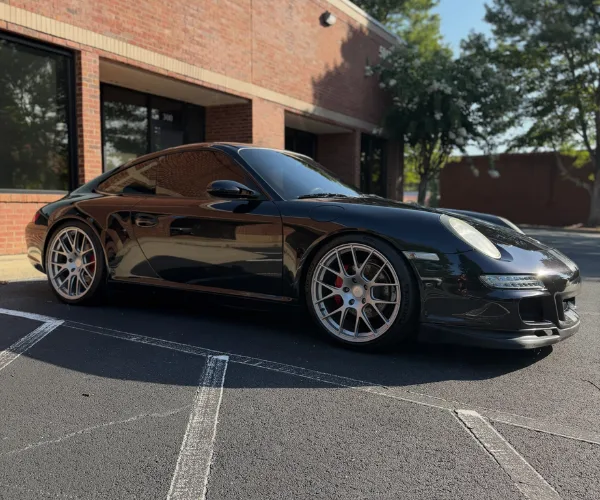
Professional automotive window tinting can last five to ten years, while some premium films may perform longer. Its lifespan depends on film construction, installation quality, sunlight exposure, vehicle use, and care. For Gainesville drivers, understanding these factors helps set realistic expectations before choosing a film.
What Determines How Long Tint Lasts?
Basic dyed films can gradually fade or change color as they absorb sunlight. Higher-performance carbon and ceramic films are designed for better color stability and heat rejection, although durability still depends on the product and its care.
Installation matters just as much as film quality. Clean glass, careful trimming, and even application help prevent premature peeling, bubbling, and edge lifting. Contamination beneath the film or damage during installation can affect its appearance and performance.
Sunlight, Heat, and Daily Driving
Vehicles parked outdoors for hours receive more direct ultraviolet exposure and heat than those kept in garages or shaded areas. Gainesville drivers using open roads, uncovered parking lots, or areas around Lake Lanier may experience substantial sun exposure. Quality film can reduce ultraviolet transmission and solar heat, but cannot eliminate years of environmental wear.
Frequent window use also matters. Lowering windows before the film fully cures can disturb its edges. Abrasive cleaning tools, sharp objects, and rough contact around the glass can scratch or lift the film.
How to Help Window Tint Last Longer
Follow the installer’s instructions about curing time. A hazy or slightly wet appearance can occur while moisture evaporates; avoid rolling windows down until the recommended waiting period has passed.
For cleaning:
Use a soft microfiber cloth and ammonia-free cleaner approved for tinted windows.
Avoid abrasive pads, blades, and harsh chemicals that can scratch or weaken the film.
Clean carefully around edges rather than catching them with fingernails or tools.
Have peeling, bubbling, or unusual discoloration assessed instead of attempting a do-it-yourself repair.
Parking in a garage or shaded space when practical can reduce direct exposure. These habits cannot make film permanent, but can help preserve its clarity and function.
When Should Tint Be Replaced?
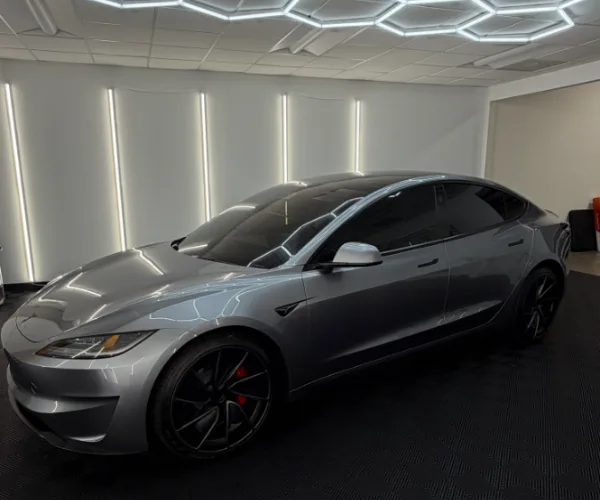
Purple or brown discoloration, persistent bubbling, cracking, peeling edges, or reduced clarity can indicate deterioration in automotive window tinting. These issues may affect appearance and visibility, so have damaged tint assessed rather than applying another layer over it. Replacement timing depends on film condition, not its age.
Choosing Tint With Its Lifespan in Mind
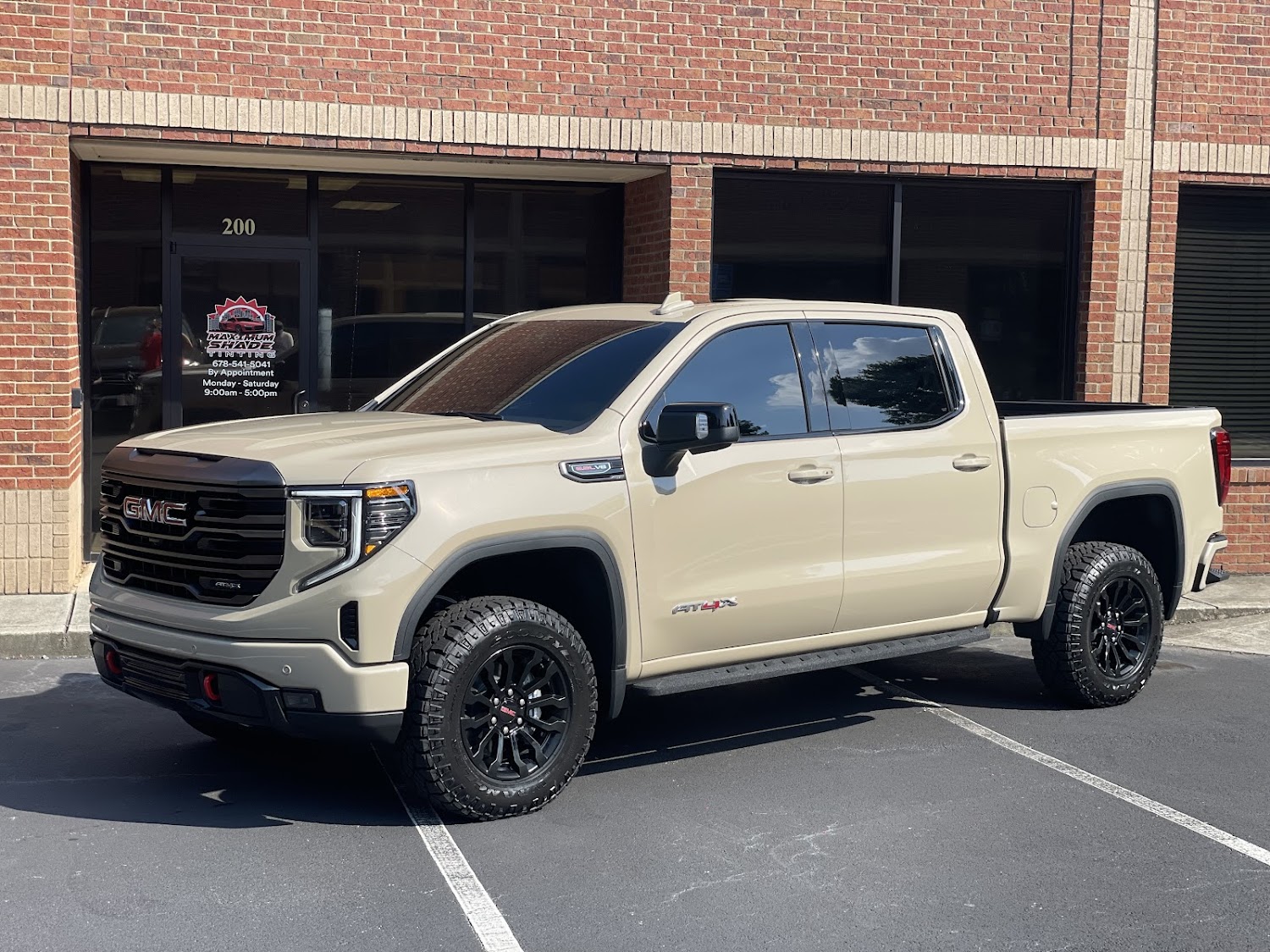
Before selecting window tinting, ask about film type, expected performance, care instructions, and applicable warranty terms. Maximum Shade Tinting serves Gainesville drivers with automotive window film options intended to improve comfort, reduce glare, and help protect vehicle interiors from ultraviolet exposure. Comparing choices with an installer can clarify which features suit your vehicle and driving habits.
Ultimately, professional tint can provide years of value when quality materials, careful installation, and sensible maintenance work together. Visit Maximum Shade Tinting’s Gainesville window tinting page to explore available options and request a quote.
Featured
Contact Maximum Shade Tinting
Thanks, your message was sent to Maximum Shade Tinting.