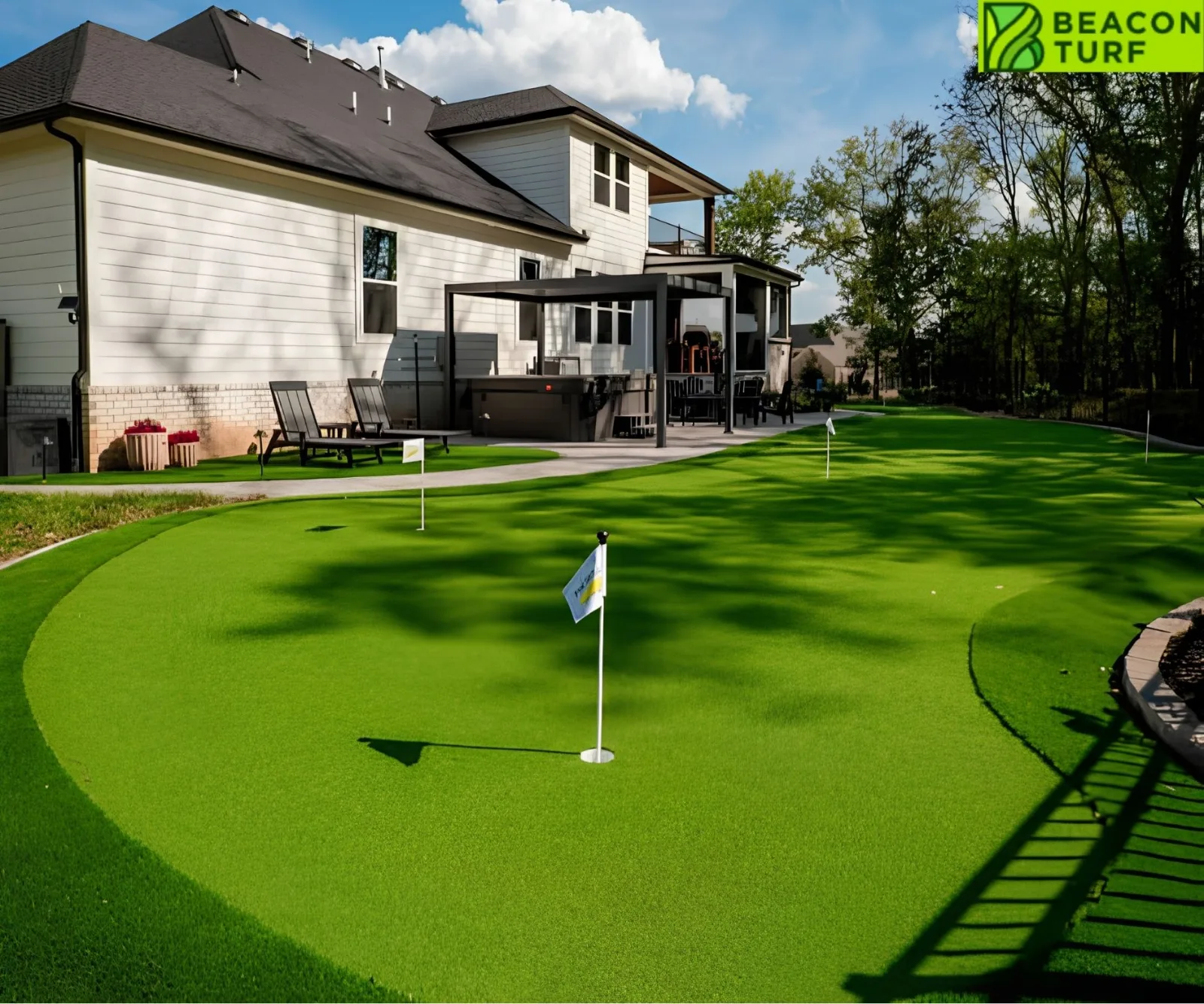
Choosing artificial grass starts with understanding how the space will be used, how much maintenance is practical, and how Florida’s climate affects outdoor surfaces. Before artificial turf installation, homeowners should compare turf materials, blade height, drainage, and durability to find a suitable option for their property.
Start With the Purpose of Your Outdoor Space
Choosing the right grass type before artificial turf installation begins with understanding foot traffic, intended activities, and maintenance needs. A decorative front yard may benefit from a neat appearance, while a backyard used by children and pets needs resilient fibers and effective drainage.
Match Turf to Everyday Activities
Shorter turf can create a trimmed appearance and may be easier to maintain. Taller blades provide a fuller look, but performance depends on fiber construction, density, and backing quality.
For pet areas, prioritize drainage and easy cleaning. For play spaces, consider cushioning and the complete installation system rather than judging comfort by blade height alone.
Understand Materials and Construction
Artificial grass commonly uses polyethylene, polypropylene, or nylon fibers. Each material has different characteristics.
Polyethylene: Often provides a soft, natural-looking texture for residential lawns.
Polypropylene: Can suit decorative applications, depending on construction and exposure.
Nylon: Generally offers strong resilience, although texture and cost vary.
Compare density, backing strength, UV resistance, and manufacturer recommendations. Request samples to evaluate color and texture in natural daylight before making a decision.
Consider Clearwater's Climate
Heat, Rain, and Drainage
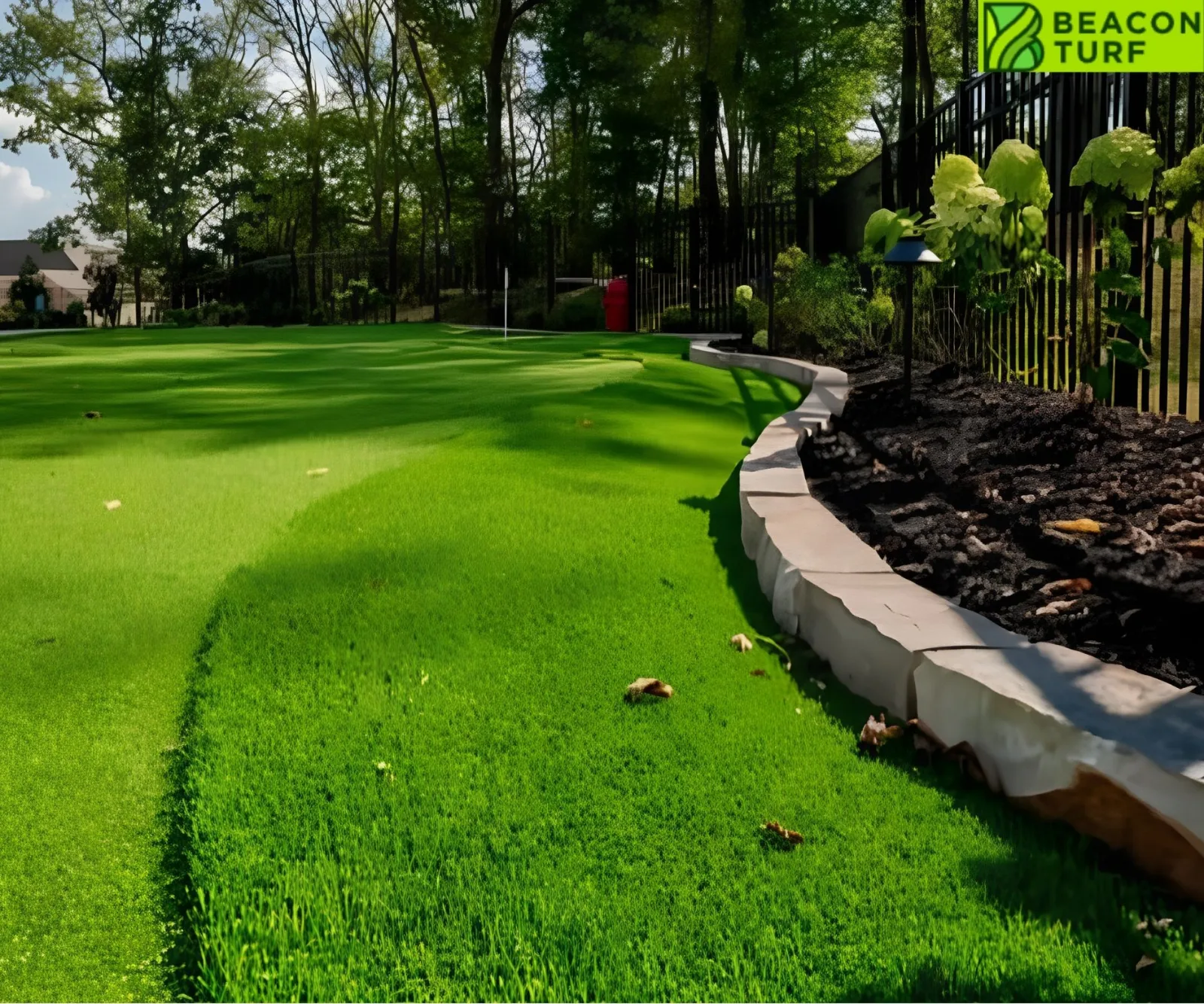
Clearwater's hot, humid conditions and seasonal heavy rainfall make drainage and heat management important. Artificial grass can become hot in direct sunlight, so evaluate exposure before choosing turf for patios, play areas, or pet spaces.
A permeable backing alone does not guarantee effective drainage. The prepared base, ground slope, soil, and installation quality influence water movement. Ask whether your property needs additional ground preparation.
Trees and garden beds also affect project planning. Roots, curved borders, obstacles, and careful trimming can increase preparation and labor requirements. Read “Does Installing Artificial Turf Around Trees And Garden Beds Increase Labor Costs” to learn how landscaping features can influence installation complexity and budgeting.
Compare Maintenance Before Buying
Artificial grass reduces mowing needs, but it is not maintenance-free. Leaves, dirt, and organic debris still require removal. Pet areas need regular waste collection and rinsing, while heavily used sections may need brushing to help fibers recover their appearance.
Compare care instructions and confirm that the selected infill suits your intended use and local weather conditions.
Where Beacon Turf Fits In
For homeowners planning artificial turf installation in Clearwater, Beacon Turf offers a local starting point for exploring suitable options. Reviewing intended use, drainage, sunlight exposure, and landscaping features can help narrow choices before installation begins.
Ask about product construction, base preparation, edging around trees, and maintenance requirements. These details help you evaluate performance beyond appearance alone.
Make the Choice With Confidence
The right artificial grass balances comfort, durability, drainage, appearance, and upkeep. Compare samples and confirm that the product and installation system suit your property's conditions. Explore options from Beacon Turf to plan an outdoor surface that fits your needs.
Featured

Contact Beacon Turf
Thanks, your message was sent to Beacon Turf.